
Jul 21, 2026
To Starve A Nation: Cuba's Latest Economic Shakeup
Danny Valdes reveals a firsthand account of what economic warfare against Cuba looks like on the ground.
by Danny Valdes
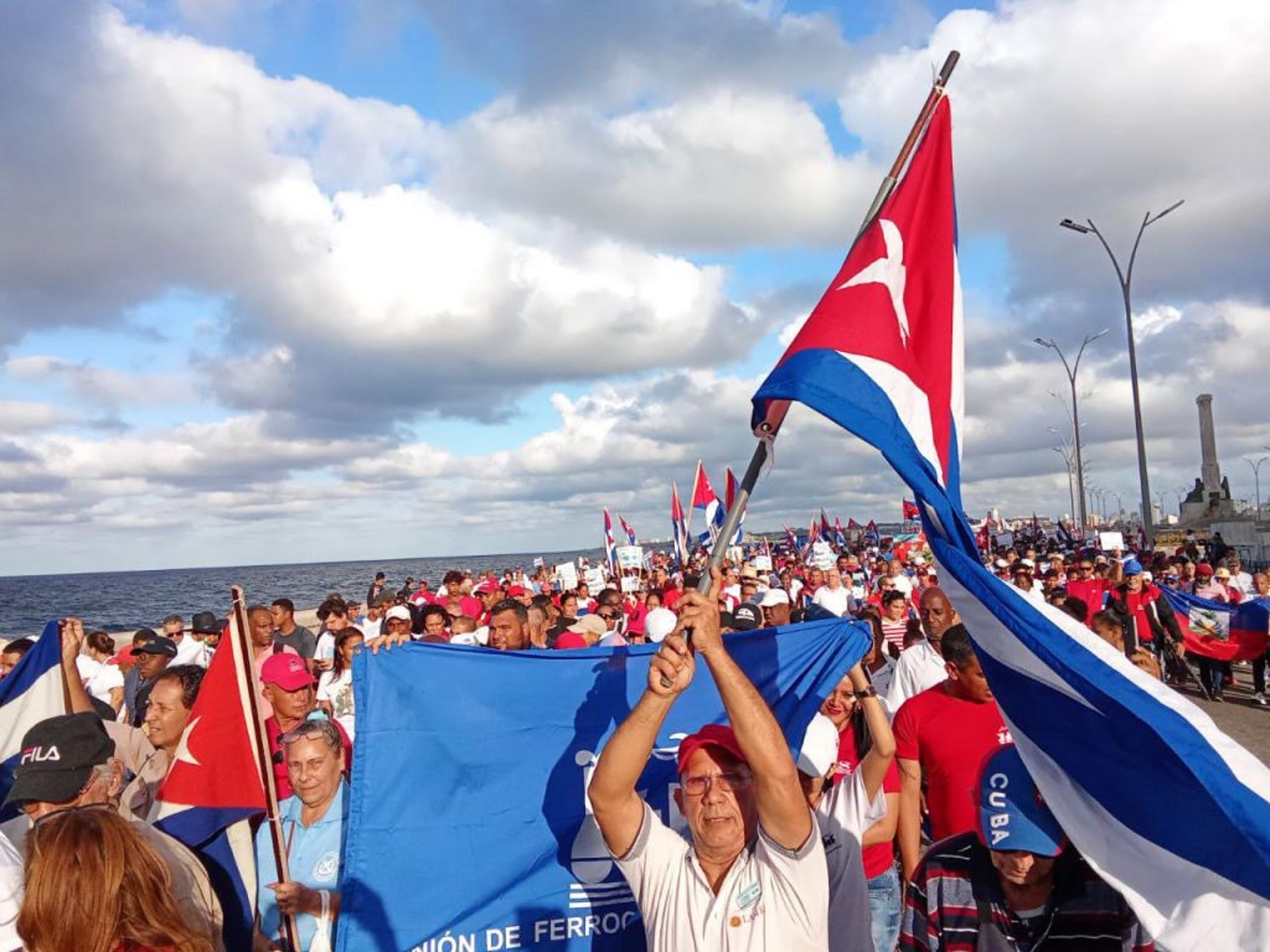
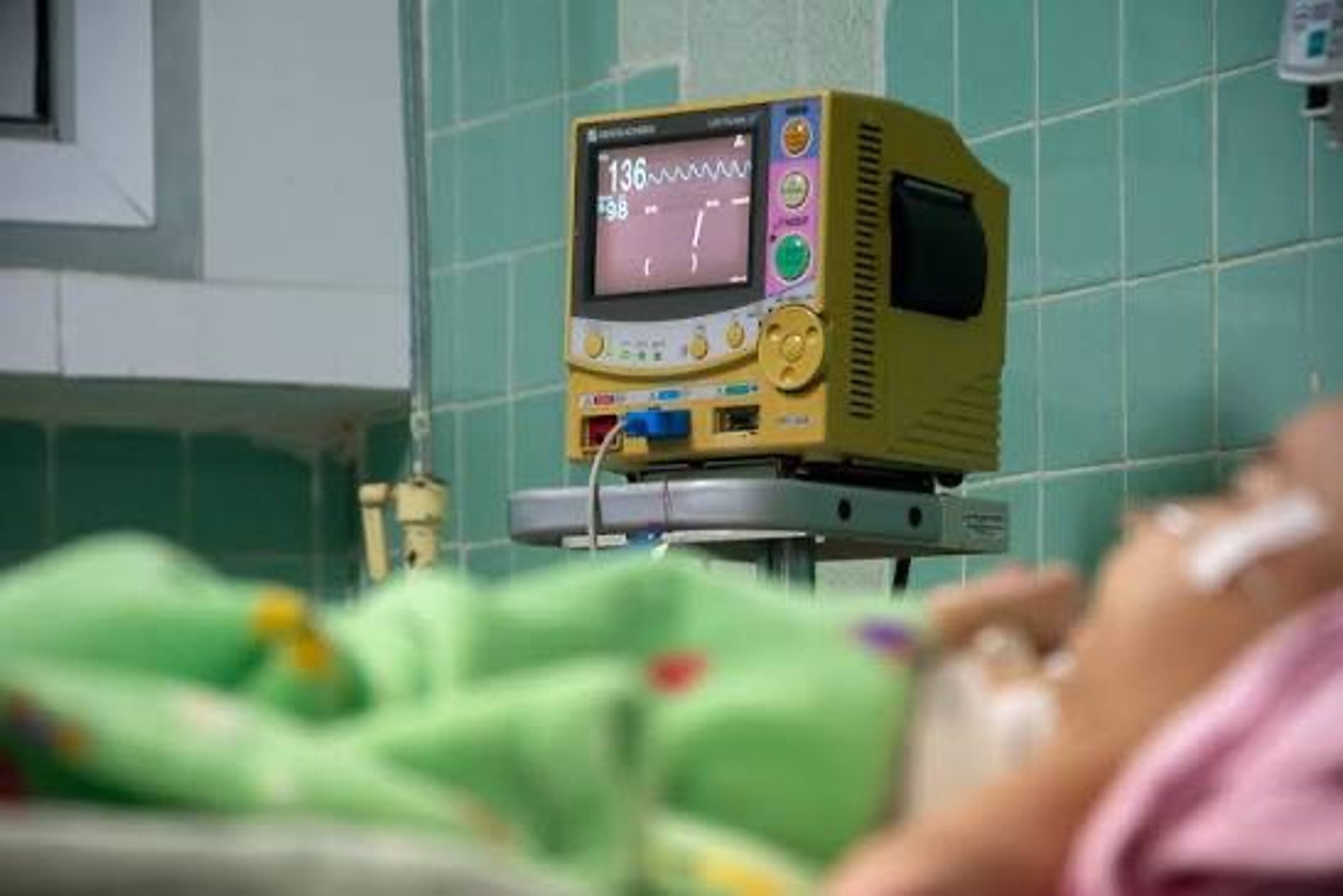
When I visited Cuba in October 2025, the crisis was already visible. There were long lines for fuel, blackouts that came and went, and the constant low hum of scarcity. When I went back in March of 2026, five months later, an eerie emptiness had fallen over Havana. The grand plazas of Habana Vieja, usually bustling with tourists and the din of busy restaurants, were silent. The blackouts were no longer interruptions. In much of the country, they were the baseline, twenty hours of darkness with a few hours of power rationed out one block at a time. While we were there, the national grid collapsed entirely, plunging the island into a deep darkness and yet another sleepless night. The next day, I spoke with doctors who told me they were performing surgeries by the light of a cell phone because the hospital generators, those that had enough fuel to start up at all, take five or more minutes to kick in.
What changed between those two trips had nothing to do with the Cuban government. What changed was Washington. In January of 2026, days after U.S. forces removed Nicolás Maduro from power in Venezuela and cut off the oil that had kept Cuba's lights on, the Trump administration issued an executive order authorizing tariffs against any country that shipped fuel to the island. It was a blockade in the most literal sense, aimed directly at crushing an already fragile economy into submission. Venezuelan oil stopped. Mexico, under threat of tariffs, stopped too. Tankers turned around in open water rather than risk it. The lights went out and stayed out.
By June, the UN human rights office reported that infant mortality had climbed, that childhood cancer survival had fallen to roughly two in three, that food production had dropped by sixty percent, and that Cuba's supply of medicine had collapsed to a third of what the country needs. UN experts named the policy for what it is: a form of collective punishment against a civilian population, prohibited under international law.
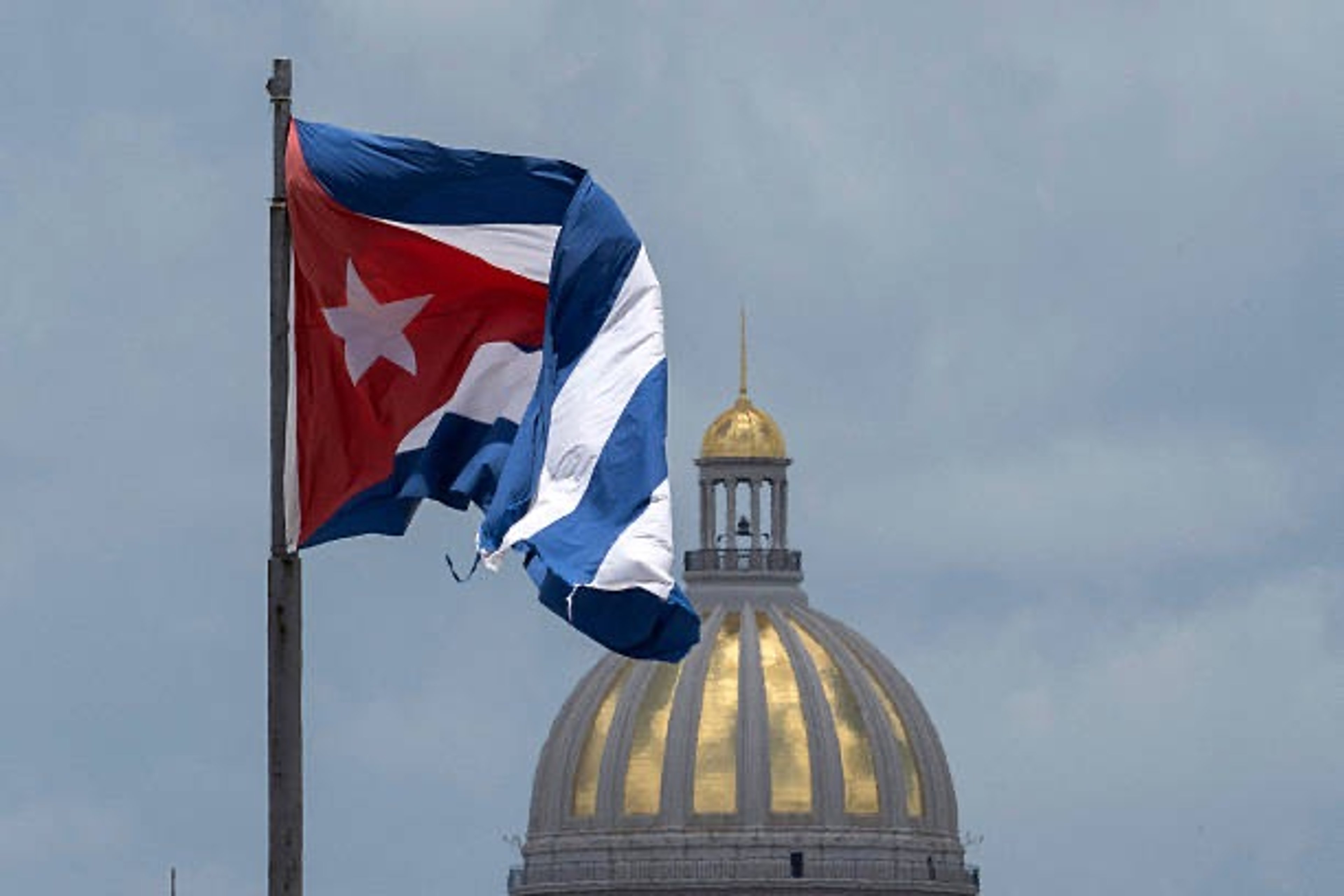
In the face of this historic crisis, on June 18, Cuba’s National Assembly approved the largest economic shakeup in the history of the revolution. In a single session, it passed 176 measures that pull the state out of wide stretches of an economy it has almost single-handedly run since the 1960s. Foreign investors can now take equity stakes in state companies and no longer have to partner with the state to operate at all. Private banks can open. State enterprises can be broken up and sold off as private ventures with shareholders. Cubans can hire and fire freely, buy and sell real estate, and import and export without state middleman. There is even a provision for foreign fast-food chains. Prime Minister Manuel Marrero stood before the Assembly and called the market "an instrument for the efficient allocation of resources." For a party that had spent six decades treating the market as incompatible with socialism, it was a remarkable turn.
This is not the first time Cuba has been forced to remake its economy under crisis. When the Soviet Union collapsed in 1991 and took roughly four-fifths of the island's trade with it, the government legalized the dollar, opened the door to foreign investment and mass tourism, and let Cubans work for themselves and sell their goods in open-air markets.Cut off from Soviet oil, fertilizer, and machinery, Cuba rebuilt its agriculture around low-input and urban farming, and the agroecology born of that emergency is now studied around the world.
Now, faced with an even greater crisis, Cuba is forced once again to go back to basics. For the better part of two decades, Cuban economists have warned that in a post-Soviet world, the state's monopoly on almost everything was choking production and deepening Cuba's dependence on imports it could barely pay for. Cuba's own allies had been pressing the same case. Chinese officials, the Financial Times has reported, grew openly frustrated with Havana's refusal to commit to the kind of market opening that pulled China and Vietnam out of poverty. When Cuban President Miguel Díaz-Canel assembled the committee that drafted these reforms, he filled it with economists who had spent years criticizing official policy from outside the government.
Díaz-Canel made the case for change bluntly. "If there is no wealth, there is no social justice," he told the Central Committee, "and everything else is a fairy tale." For some, especially the young and the entrepreneurial in Cuba, the reforms are long overdue. For others, they represent the revolution sitting down to negotiate the terms of its own undoing. And for many more, worn down by years of blackouts and shortages, the reaction was neither hope nor outrage but a tired shrug. As is the case with much about Cuba - all of this is true at once.
But it would be a mistake, and a convenient one, to read Cuba's crisis as simply the failure of socialism. What that ignores is the sixty-year economic war the United States has waged on Cuba, in an effort to isolate and punish the island for daring to throw off its neocolonial yolk in the colonizer’s own backyard. What we call the “embargo” is in reality a constellation of executive orders, State Department policy, and congressional laws that goes far beyond a simple trade embargo. Working in tandem, this web of coercion has enormous economic consequences for Cuba. In a recent UN report, Cuba estimates material losses of about $7.5 billion in the last year. The extensive list of restrictions, bans and sanctions amounts to death by a thousand cuts. All of this, on top of a tumultuous recent history that includes the death of its historic leader, the COVID-19 pandemic and the unprecedented tightening and expansion of sanctions under the Trump administration, has meant rampant inflation and rampant shortages for many Cubans in recent years. Now, Trump and Rubio intend their latest fuel blockade to be the coup de grâce.
Over the past decade, Washington has tailored its sanctions into a weapon of class warfare. It carves out space for those with dollars, whether from the diaspora or from foreign partners, to open private companies and trade around the very restrictions that still strangle the state, while the goal, barely disguised, is to grow a moneyed class dependent on Washington, one that could someday turn its wealth into political power.
Even the fuel blockade has a carve-out. Washington licensed American firms to sell fuel straight to Cuba's private sector, so that during a siege meant to starve the island of oil, private companies were importing it from the very country imposing the siege, while the state ran dry. Marco Rubio described the arrangement as a way to put private Cubans unconnected to the government "in a position of privilege." A two-tier island is taking shape by design: dollars and diaspora ties on one side, the peso and the ration book on the other.
Seen this way, the June reforms are not only a retreat. They are an adaptation to a reality Washington has engineered and shows no intention of reversing. If the state can no longer feed the country, and the private sector already imports much of its food, then legalizing private banks and foreign investment is, in part, Cuba formalizing the economy the blockade is forcing into being.
Cuba's own leaders have warned that implementation of these reforms would be slow and said outright that the measures would not be viable unless Washington lifted its financial blockade of the island. So far, the response from Rubio has been to issue a slew of new sanctions that target everything from the Cuban mining industry, to Cuban diplomatic organizations, its tourism sector, and more.
So Cuba has opened a door, and only found it opens onto a wall. But Washington has not always chosen to play it this way. A little over a decade ago, it chose the opposite. In December 2014, Barack Obama and Raúl Castro rose on the same day to announce they would restore relations after half a century of hostility. Obama walked the streets of Havana in 2016, the first sitting American president to set foot on the island since the 1920s. Diplomatic relations were reestablished and Cuba came off the list of the State Department’s list of State Sponsors of Terrorism. Americans could travel and send money more freely, and they did, by the hundreds of thousands. Cuba's private sector, the very thing these new reforms are trying to grow, expanded fastest in exactly those years, fed by tourists and remittances and the simple fact that the door has finally been opened.
The opening was never complete. Obama could not lift the embargo, which is written into law and only Congress can repeal, and the machinery of the blockade kept grinding underneath the thaw. But even a partial loosening of travel, of remittances, of the long diplomatic freeze, was enough to change daily life, and it did so without a single blackout ordered from Washington or a single child lost to a missing medicine. Engagement was tried, and in the terms that matter to ordinary Cubans, it worked. Then the next administration tore it down, and on its way out in 2021 put Cuba back on the State Sponsors of Terrorism list to make the reversal hard to undo. What is happening now is not inevitable. It is a decision, and we know another one is possible because we have already made it once.
Secretary of State Marco Rubio, himself the son of Cuban immigrants, has said the sanctions will continue until the government changes. President Trump has spoken, more than once and apparently with relish, about a “friendly” takeover of the island, about the honor of being the one to take Cuba finally. He has compared his intentions to what he did in Venezuela, where U.S. forces removed Maduro and hauled him out of the country in a quick and lethal operation. Since January, the administration has issued more than 240 sanctions.
A policy aimed at feeding Cubans would not begin by cutting off their fuel. A policy aimed at reform would have taken yes for an answer this June. The blockade was never a lever to improve Cuban life or to pry open the Cuban economy. It is a siege with a single objective, the same one it has had since 1961, which is to make the island suffer until it surrenders its right to govern itself.
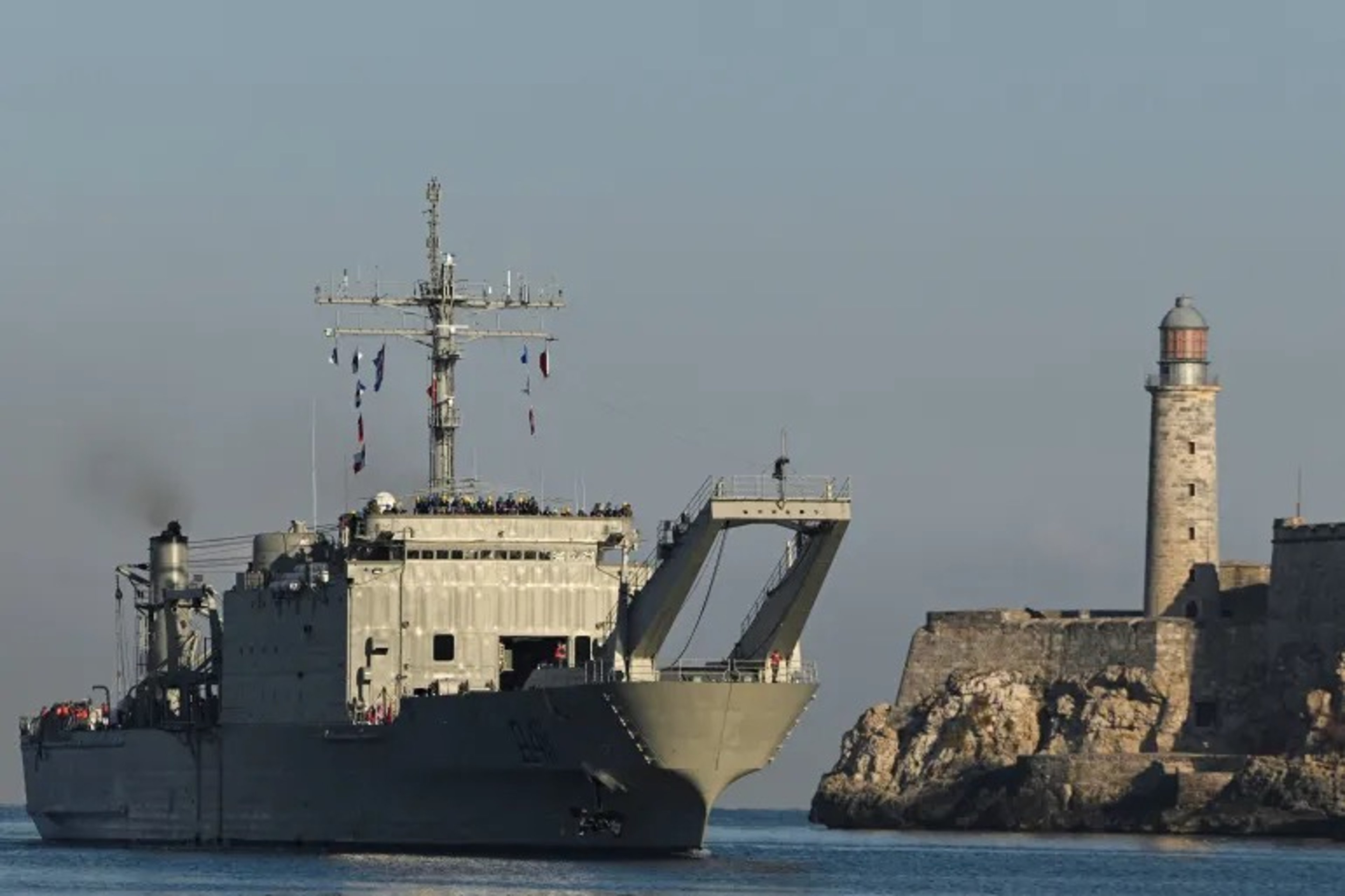
Step back far enough, and Cuba stops looking like a holdover and starts looking like the main holdout. Where Trump has stumbled in the Middle East, unable to turn his war on Iran into anything he can call a win, the Western Hemisphere is where he is succeeding. In January, his forces pulled Nicolás Maduro out of Venezuela and forcibly opened its deep oil reserves for U.S. investment. One after another, the elections have gone his way. Bolivia voted out the socialists who had governed it for almost twenty years. Chile elected the hardest-right president it has had since the Pinochet era. This summer, Colombia and Peru swung in the same far-right direction.
The pink tide that once ran the length of the continent is draining out, with Washington endorsing the right-wing candidates, threatening the holdouts, and rewarding the converts with investment and relief. The siege of Cuba is not a Cold War leftover that someone forgot to end; it is one front in a live and largely winning campaign to turn Latin America into a set of governments that answer, in the end, to Washington. Cuba is the keystone. A socialist government ninety miles from Florida that survives all of this would be proof that the campaign can be fought and beaten. That is why they cannot leave it alone.
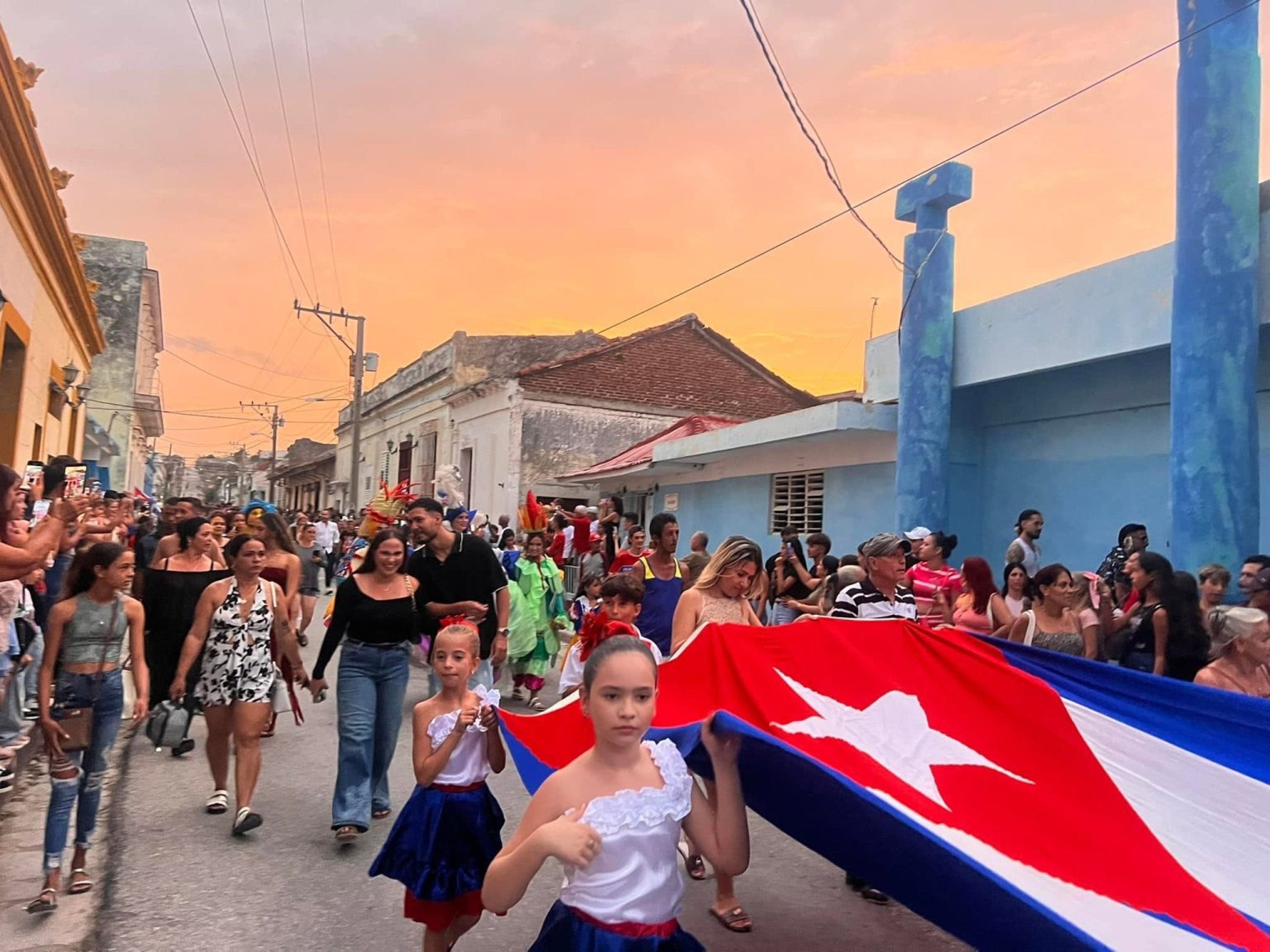
The sixty-seven year campaign against Cuba is sustained by the Cuban lobby, the oldest and most disciplined piece of a broader coalition of Latin American exile right-wingers, Cuban, Venezuelan, Nicaraguan, that has gathered around Trump and turned Mar-a-Lago into its base of operations. Marco Rubio, now Secretary of State, began his career as an intern for Ileana Ros-Lehtinen, the first Cuban American elected to congress and a loud voice for U.S. intervention in Cuba for decades. Rubio and has spent 2026 assembling the most complete sanctions regime in the history of U.S.-Cuba relations: Mario Díaz-Balart, who controls a slice of the foreign-aid budget from his seat on Appropriations—alongside María Elvira Salazar and Carlos Giménez, who have spent the year pressing to sever every remaining tie to the island—Ted Cruz in the Senate, and operatives like Mauricio Claver-Carone, whom Trump made his point man for the region. It is a small group that has made itself indispensable to a president who wants the hemisphere redrawn.
The modern Cuban lobby was built, on purpose, as a copy of the most effective foreign-policy lobby in the country. In 1981, Bay of Pigs veteran Jorge Mas Canosa founded the Cuban American National Foundation on the explicit advice of Reagan's national security adviser, who told him to study AIPAC and do the same. As the historian Greg Grandin has documented, the setup was almost circular: the White House helped set up a lobby to pressure it for a policy it already wanted, manufacturing the appearance of grassroots demand. The Foundation raised money through its own PAC, rewarded the politicians who fell in line, and punished the ones who broke from it. Six decades on, it is arguably the second most powerful foreign-policy lobby in Washington, behind only the one it was modeled on.
But the machine is finally starting to crack. Its founding generation is waning, a younger and more diverse Cuban American electorate does not carry the same grudge, and a growing number of Cuban-Americans, myself among them, are organizing to break the lobby that has spoken in our name without our consent, the way a younger generation of American Jews turned on AIPAC. For decades, Cuba policy has been treated as a hostage to Florida, on the theory that any politician who touched the blockade would be destroyed by the exile vote. It was never quite true, and it is less true every year. The candidates who understand this will not have to pass the old loyalty test before they are allowed to speak. They can say the plain thing: that starving a country is wrong, and that it is being done in our name.
My last two trips to Cuba were five months apart, and in that stretch I watched a country get visibly worse while its government did nearly everything its enemies claimed to want. In October, there was hardship. In March, there were surgeons cutting by the light of their phones and more open hands on the street than I could count. Nothing Cuba did in between caused that. It was a choice made in Washington, and it can be unmade in Washington.
The old question about Cuba was always what the island would do. Would it reform, would it open, would it change? Cuba has now answered. It has given up more of its own model than it ever wanted to, opened the door as far as it dares. The question that remains is no longer Cuba's to answer. It belongs to us. It is whether the United States will let the island walk through that door, or keep the wall standing on the other side until there is no one left to walk.
"Patria o muerte", the old slogan says. Homeland or death. It was meant as defiance. Right now, in the dark, it reads more like a description. We are the ones who get to decide which word wins.