
Nov 2, 2026
Yes, Communism! An American Communist Talks Back
Communism has often been a scary word for Americans. It doesn't have to be.
by M. Sanchez
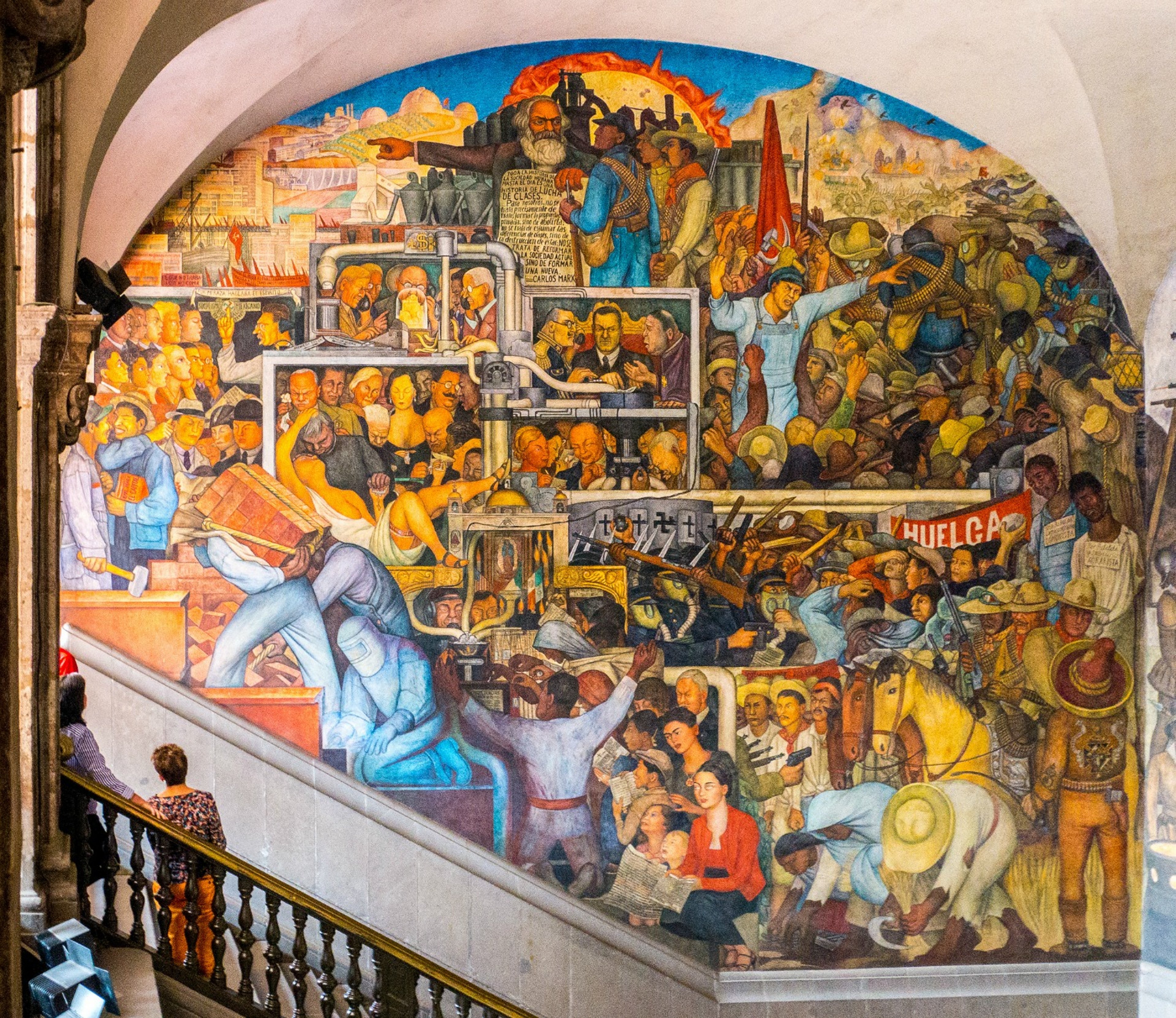
Part I. There are communists
Have you ever met a communist in the flesh?
If you’ve met one of us, have you met many more?
You might see us show up in rallies or talk on the Internet.
That experience only tells you that we gather together in the same places, rather than being a direct introduction between you and any of us.
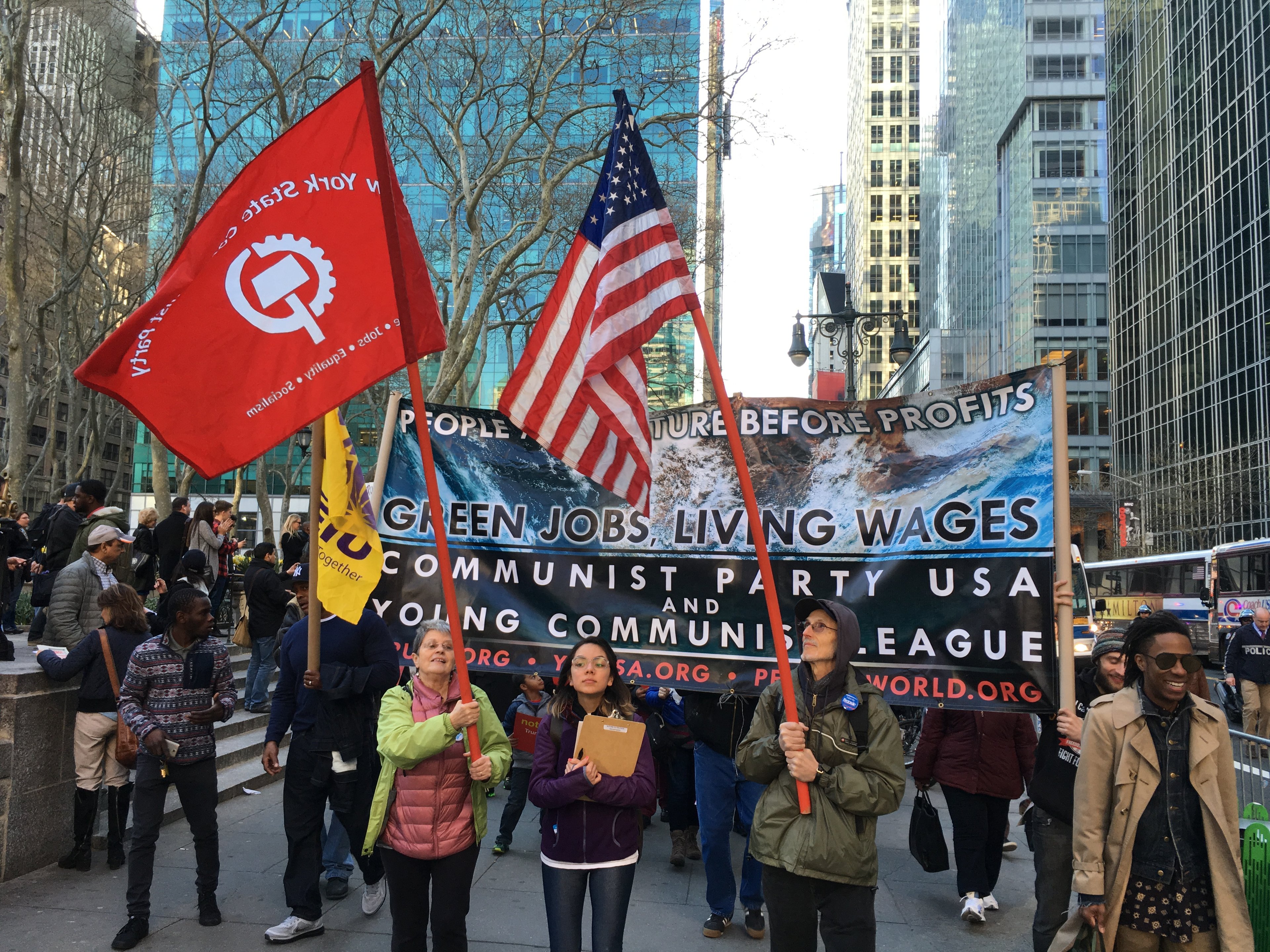
CPUSA Rally
If you live in the United States, you are probably well aware that we communists are a rare breed.
We are here, that is for certain. But we are few.
So why do talking heads and politicians yammer on about us as if we’re a ticking time bomb?
Segment I.A. Is this a dangerous communist?
If you were to let the mainstream be your eyes, ears, brain, and heart, you’d think that communism is the root of all evil. You would do your best not to smell the rats that shut us out of polite company.
The liberal journalists of CNN and the elites of the Democratic Party grill democratic socialist politicians like Darializa Avila Chevalier for even mentioning communism without immediately following up by branding it as the spawn of Satan.
Convicted rapist and Republican Party President Donald Trump has condemned communism as “a mortal threat to American liberty,” even “the greatest threat to our country,” and “the enemy of July 4th, 1776.”[1]
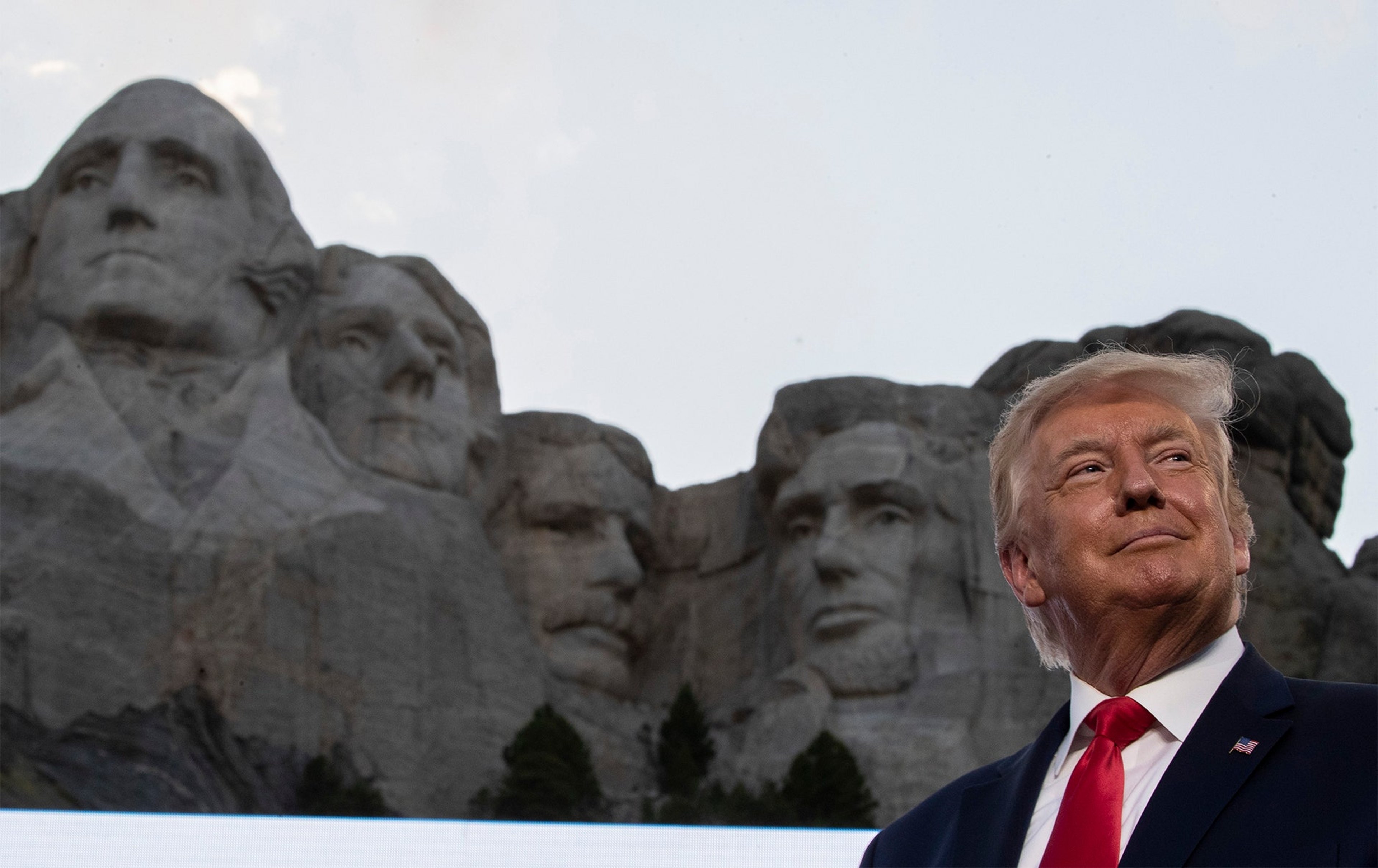
It seems strange that such powerful people would be so afraid of something so small. They claim that our hopes are fundamentally out of step with human nature, and therefore doomed to fail. But it seems strange to devote so much energy to destroying something that is small and doomed to fail anyway.
For anti-communists, "communism" is not a legitimate political tradition. It is a slur to reach for whenever someone needs to be tossed out of the circle of political discourse.
“Communism” is supposed to be the insane delusion of people possessed by resentment and wrath.
Detractors describe communists as naive students and wild-eyed fanatics scheming up diabolical plots in the dusty corners of university classrooms and the ominously lit hideouts of cinematic terrorists.
The word “communist” is supposed to invoke gulags, bread lines, tanks, secret police, and a closed chapter of the twentieth century best left shut.

Maybe you are laughing at the idea that a communist is writing to you against capitalism on a capitalist-produced laptop, scrolling social media on an iPhone, and working for a corporation.
Would you rather that I take all of your things without giving you money in exchange? Am I supposed to make the world completely reflect my beliefs before I participate in it? Or is it just right to submit to the world no matter how we think about it? I am addressing this problem of navigating the relationship between the criticism of the world and the changing of its ways through dialogue instead of through the competitive cruelty that our society rewards.
At this point, some of you anti-communists might start accusing me of being anti-American or other ad hominem attacks. I do support Communism, and my name is Hispanic. Does this mean I hate you or want to destroy your way of life? Sanchez certainly doesn’t sound like any “heritage American.” But the name of a thing tells you almost nothing about it. Names name me not.
I descend from Otomí and Apache warriors, peoples who have dwelled in the mountains and plains of this hemisphere for millennia. They drew on their love for their kin to fight for their people and their lands. They had the strength to take what they pleased from the cities. They forced all Empires to admire their craftsmanship and warmanship.
How many of you come from long lines of pig farmers who moved over from Europe a few decades ago?
I don’t say that about your ancestors out of disdain. Some of my own ancestors were Irish-American rural whites. They were despised by Anglo-Americans as lazy immigrants and Roman fifth columnists.
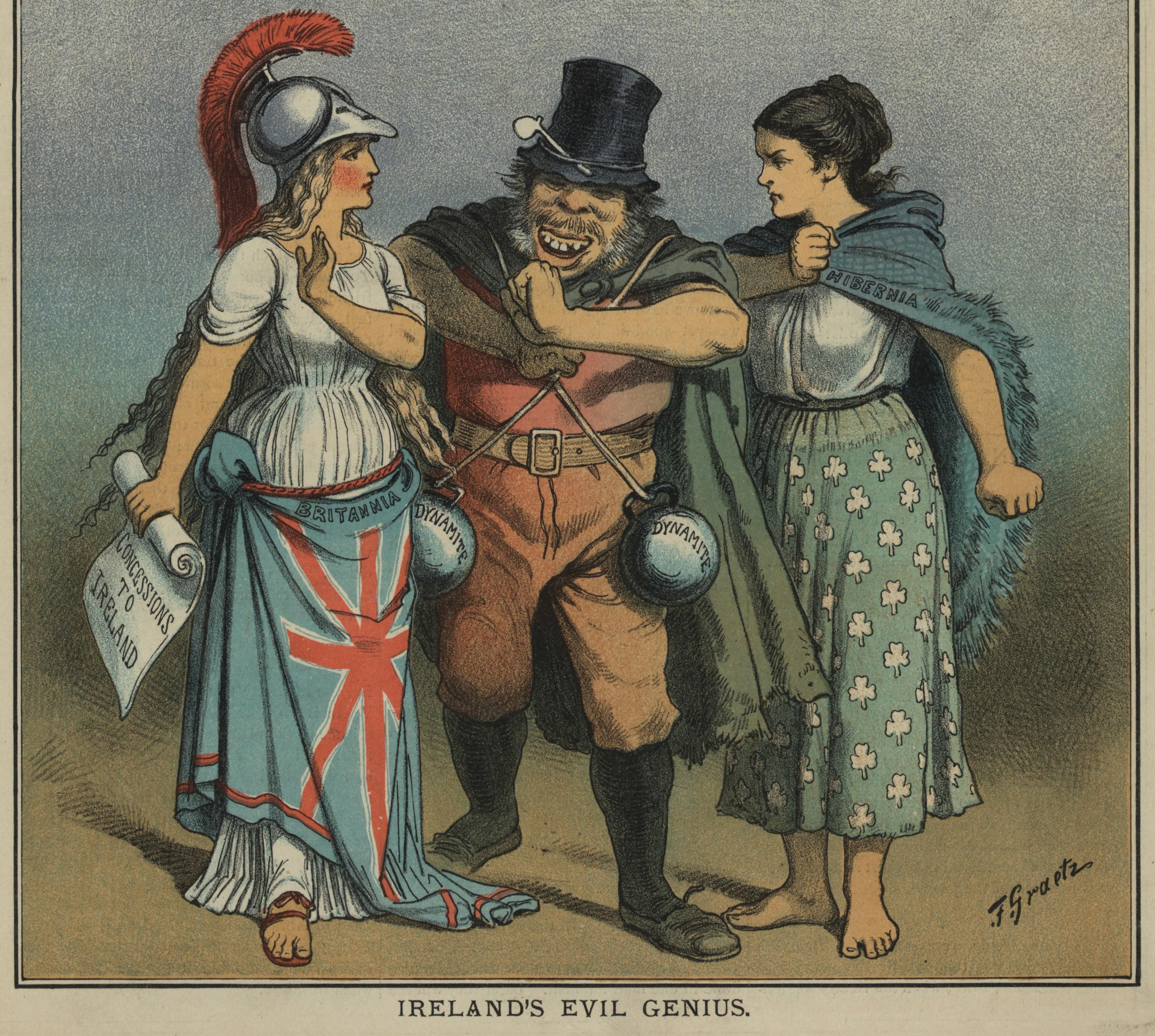
Caricature of the Irish
I don’t damn you to hell for descending from colonizers. I descend from the conquistadores who subjected the Pueblos, Apaches, and Navajos under Church and Crown long before Jamestown was established in 1607.
I would fall under any condemnation of the children of colonizers and land stealers. I do not wish to make the circumstances of anyone’s birth into the mark of their destiny.
All of my oldest ancestors were migratory people of the mountains who only went down to the lowlands for seasonal cycles, commerce, and depriving others of their lives, liberty, and property at the dangerous ends of arrows, spears, and guns.
Some were lured or compelled into permanent residency in the lowlands by Church, Crown, and Capital.
If I practiced blind ancestral pride like you white nationalists, I would tear your hearts from your chests and sever your heads from your bodies to offer them as gifts to ancestral deities.
If I held personal power without mutualistic ethics, I would shed the blood of millions more than the gallons of blood that Trump has spilled. I would make Moctezuma and Genghis Khan look like pacifists.
You are lucky that I chose not to practice the trade of a nomadic capitalist tyrant. My communism is a patient, altruistic, and peaceful revival of familial tradition. If I did not want it, what would stop me from simply taking whatever I pleased from you? Do you want me to practice that side of 1776?
I was born in America in the year 2000. The year of the dragon. A new world at the turning point of a new millennium. I was accompanied by a brother who bears no resemblance to me. In the womb, he had almost swallowed me, but I had fought to be born. At the moment of birth, my family greeted us—they were our first world.
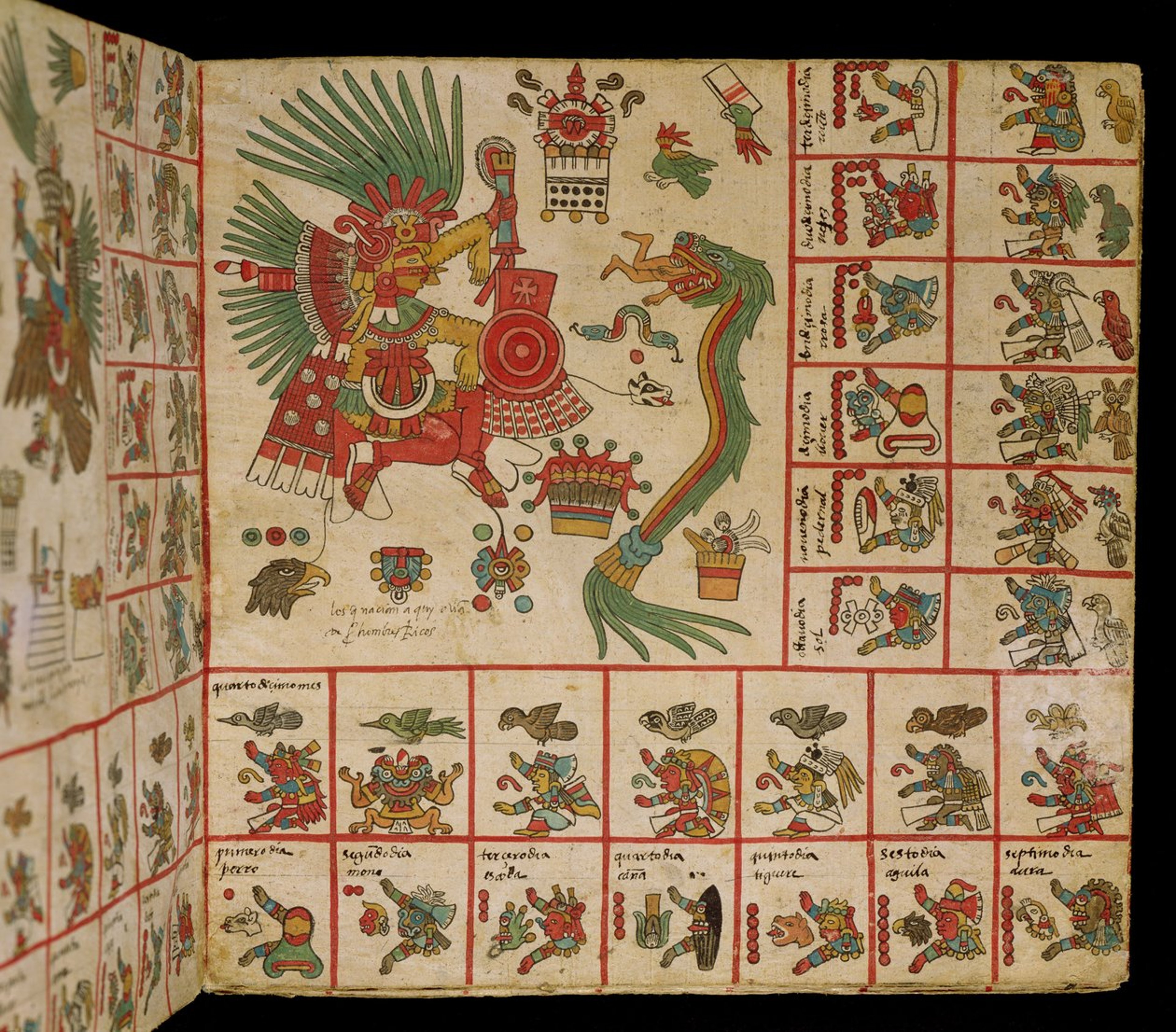
I lived the division of one into two, the unity of opposites, and the negation of the negation in the very conditions of my familial existence. Being initiated into a family beyond my nuclear Holy Family was the negation of the negation, the restoration of One of the womb in the autonomous form of kinship.
My mother and father conceived us from the lineages of the Original Peoples, the “heritage Americans,” and the tired, poor, huddled masses who yearn to breathe free.
And yet, the children that my mother gestated in her womb, pushed out into the open world, and cared for with the help of her family cannot be counted among the White Anglo-Saxon Protestants (WASP). But then again, neither can Trump.
I was born here. I am not one of you patriots.
The Absolute of your imaginary America means nothing to me.
The América that I know is infinitely many. It only becomes One in the place within myself that cannot be named.
I am everything that you nationalists idealize and yet I am none of it.
I am a creative nothing, out of which I myself as creator have created the North Star of my own communism.

Solaris
I don’t hold to any dialectics of nature, but I learned dialectic from nature.
I heard geese honk and prune the grass and felt their same life and hunger within me.
I sensed division and synthesis by watching spiders eating their prey and weaving their webs.
I intuited the unity of opposites in the chests of play fighting dogs.
I understood that all determination is negation when I observed snakes devouring and digesting the entire bodies of their prey into nutrients and waste.
My heart did not go over to communism from reading Karl Marx or Vladimir Lenin. I became a communist by believing in the American principles of life, liberty, and the pursuit of happiness that were drummed into my head in the years following 9/11/2001.
I learned the passion of revolution in Thomas Paine’s call for independence, individualism, and free commerce in Common Sense (1776) long before I even heard the names of Marx or Lenin.
I grew red from growing up in the cosmopolitan bubble of Sun Belt Suburbia. Family values, careful education, and love for my neighbors all converted me into a communist.
My family is a matrilocal patriarchy and a patrilocal matriarchy. My mother is the center of my family, even if her father was the authority of her greater family. My father is the center of his family, even if his mother was the authority of his family.
My bonds of kinship cross borders, oceans, and categories.
My family of Mexican-Americans, Scots-Irish, and multiracial godparents taught me to give back to people (animals included) the energy that they gave to me. From the years spent with my closest relatives to the days spent with the distant ones, I learned the value of an expansive gift economy.
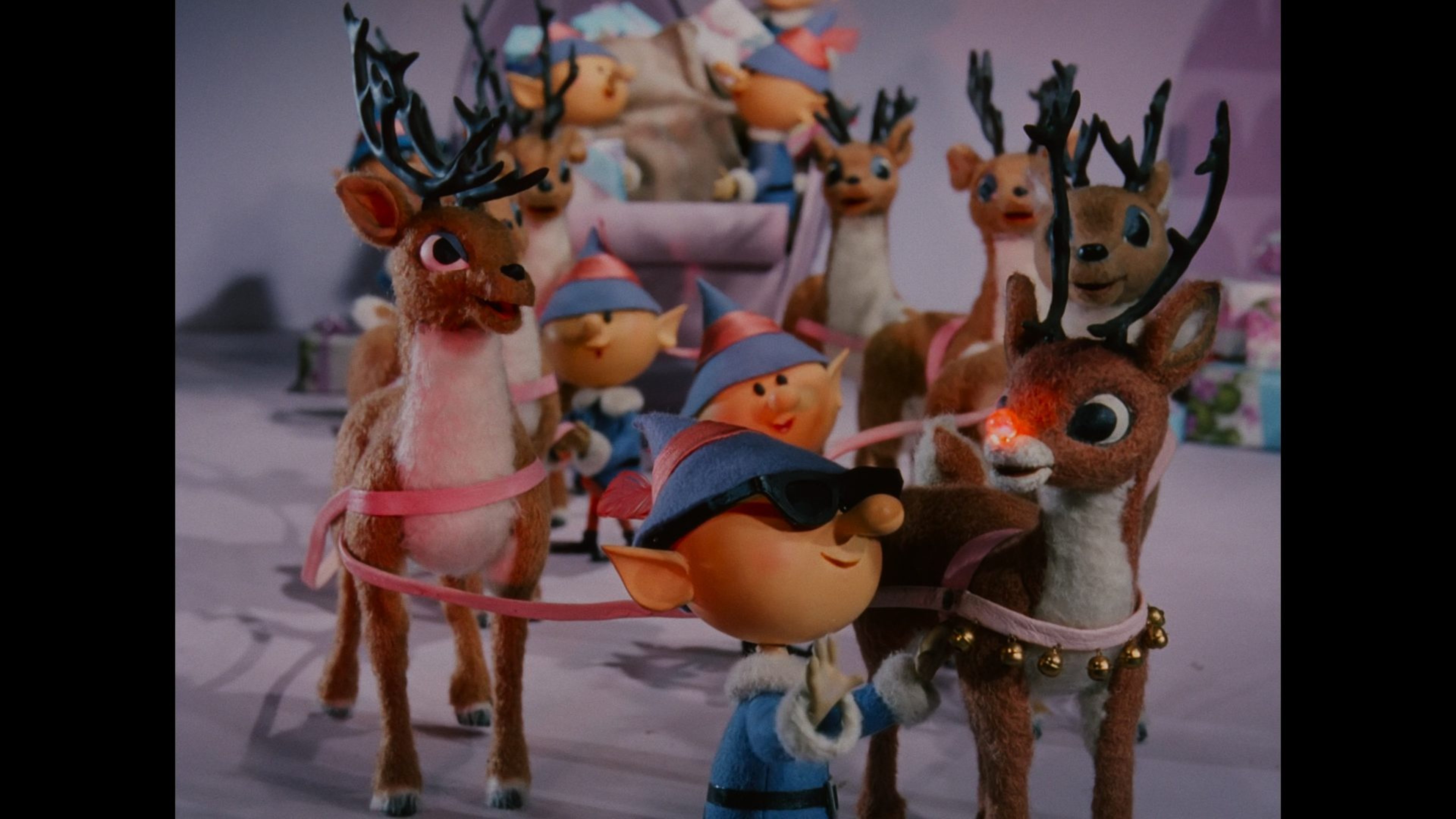
Rudolf the Red Nosed Reindeer
The kin around me represented all colors, creeds, and contents of character, with little correlation among them. They spoke languages from all over the world. I did not understand all of their conversations. I made do anyways.
My parents wanted my brother and me to make our own way in the world. They expected us to work out the disputes among ourselves and between ourselves and our relatives. From learning the laws of peace, power, and righteousness among my own kin, I made my own way into communism.
My brother and I were raised part-time by my beloved grandparents. They taught us to take pride in the struggles against imperialism and racism waged by our ancestors.
My Mexican grandfather was a descendent of mestizo campesinos and Otomí warriors, a doctor trained in the wake of the Mexican Revolution, and a patriotic immigrant to the United States.
He dedicated his life to advocating for and taking care of familiar strangers—whether they be distant relatives, the Chicana/os of the United States, or his patients, the poorest and most desperate of whom he treated free of charge.
My grandfather, a Roman Catholic, taught me the principles of scientific materialism that he had learned under the Socialist Education policy of President Lázaro Cárdenas. Cárdenas had carried out land reform throughout the 1930s and ‘40s and nationalized Mexican oil in 1938. My family was uplifted from pre-Revolutionary peonage and poverty by all three policies.
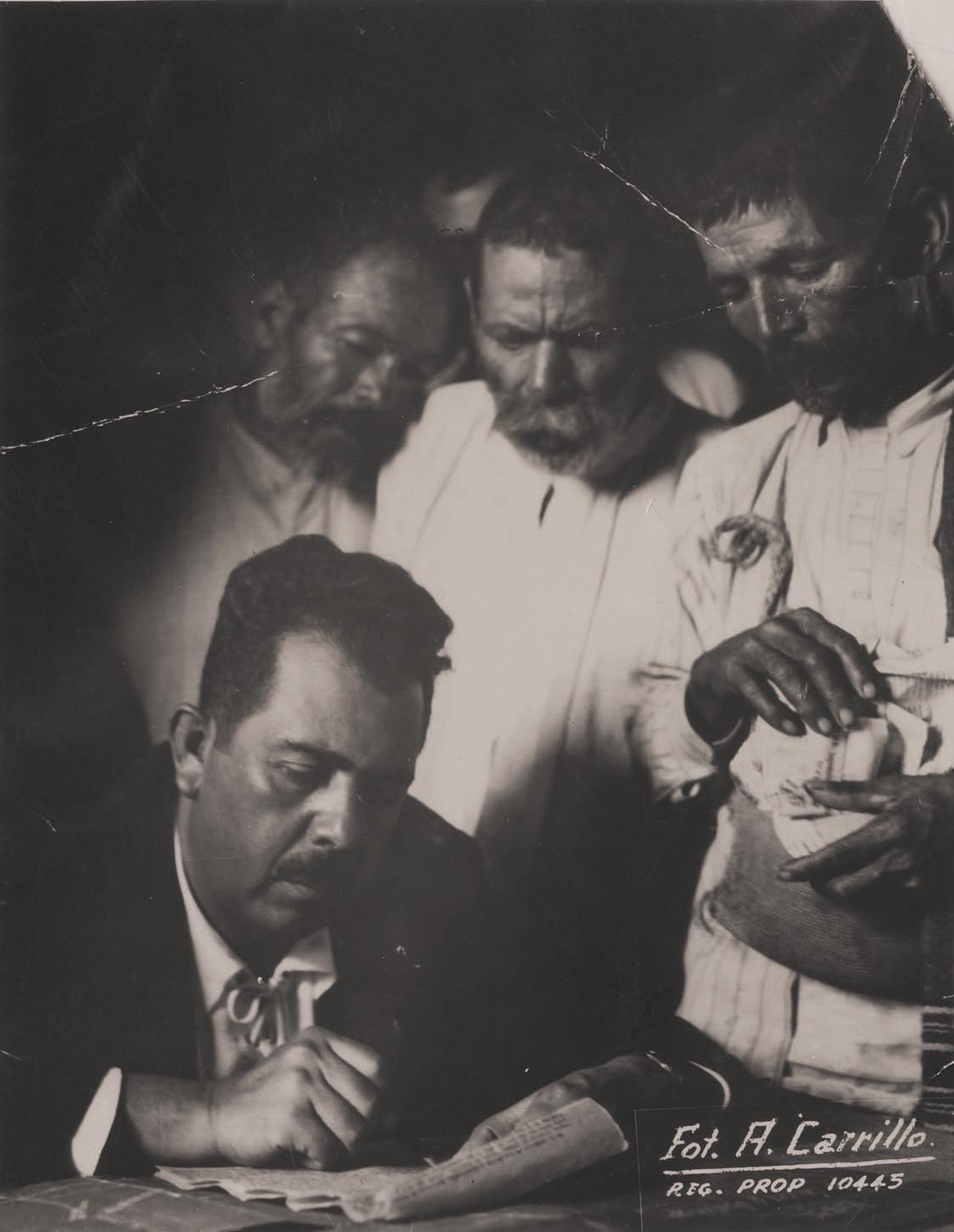
Lázaro Cárdenas signing law
My grandfather felt that there was no contradiction between the Holy Bible and Albert Einstein.
His family had fought on both sides of the Cristero War, the independently thinking Catholics and the nationalistically militant atheist Redshirts.
An admirer of the Great French Revolution, he knew that populism and science taken together could reveal the answers to the deepest problems of Our América. He was convinced that the same pattern formula had been vindicated by the many Great Revolutions of Mexico and the United States.
My grandfather showed me the beauty of the art, music, and spirituality of the Original Peoples of the Americas. He narrated me through the rise and decline of powerful communities and great civilizations in the Americas. At the same time, he was deeply interested in the religion, philosophy, history, and art of the eastern hemisphere. He wished to understand those people who had won over his ancestors against the Aztecs and inspired his parents to fight for Land and Liberty.
The event of 1492, as he conveyed it, was an apocalyptic disruption to the being and time of the Original Peoples. But the New World born from Christopher Columbus’s landing on Guanahaní also held a promise for the Catholic unification of the world into a loving community.
My grandfather showed me how the world is what we make of it.
He described the palatial riches of Moctezuma and Atahualpa. He taught me about the events of the 1521 Conquest of Mexico under pirate Hernán Cortés and the Conquest of Peru in 1532 under pig farmer Francisco Pizarro. He told me of the international diplomacy of Malintzin, and how she survived an impossible situation by becoming a wife and spokesperson for Cortés.
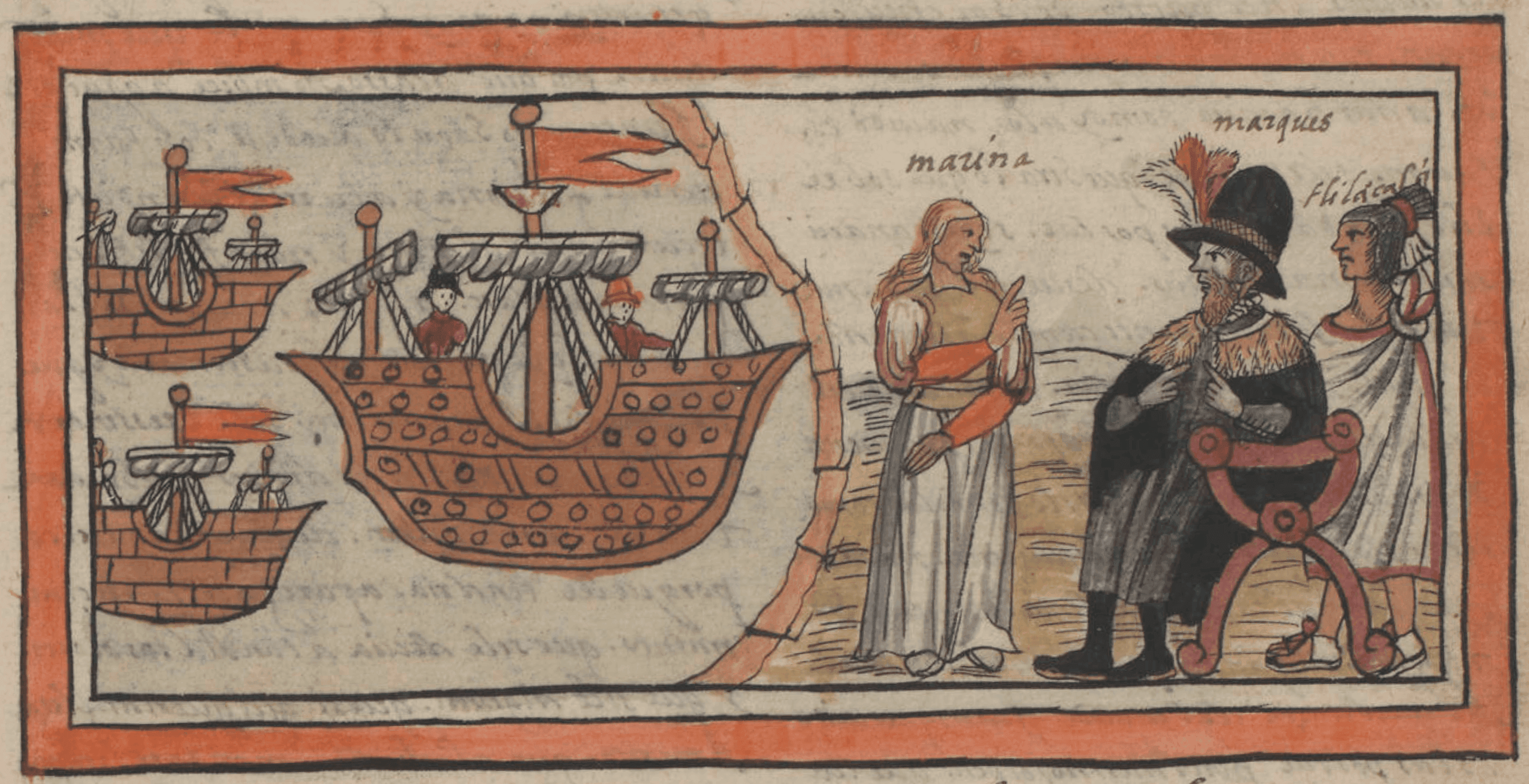
Malintzin Codex
I learned that the first Mexicans and Peruvians were born as children of the Conquest. Even if those were the Latin American nations that drew my grandfather’s sentiments, he never believed that their creation was inevitable. He praised the heroic and unyielding resistance of Cuauhtémoc and Túpac Amaru.
My grandfather told me about how both conquistadores could only rise to power over Tenochtitlan and Cajamarca by drawing on the forces of their indigenous allies—Tlaxcala, Tetzcoco, and even his own ancestors, the Otomí. Even the forces of the Mexica found a place in the war of New Spain against the “barbaric” Chichimecas of the North.
My grandfather told of the participation of the Native allies of the Spanish in the colonization of the Pueblos, Navajos, and Apaches that surround present-day Santa Fe—the place where ancestors of my grandmother resided.
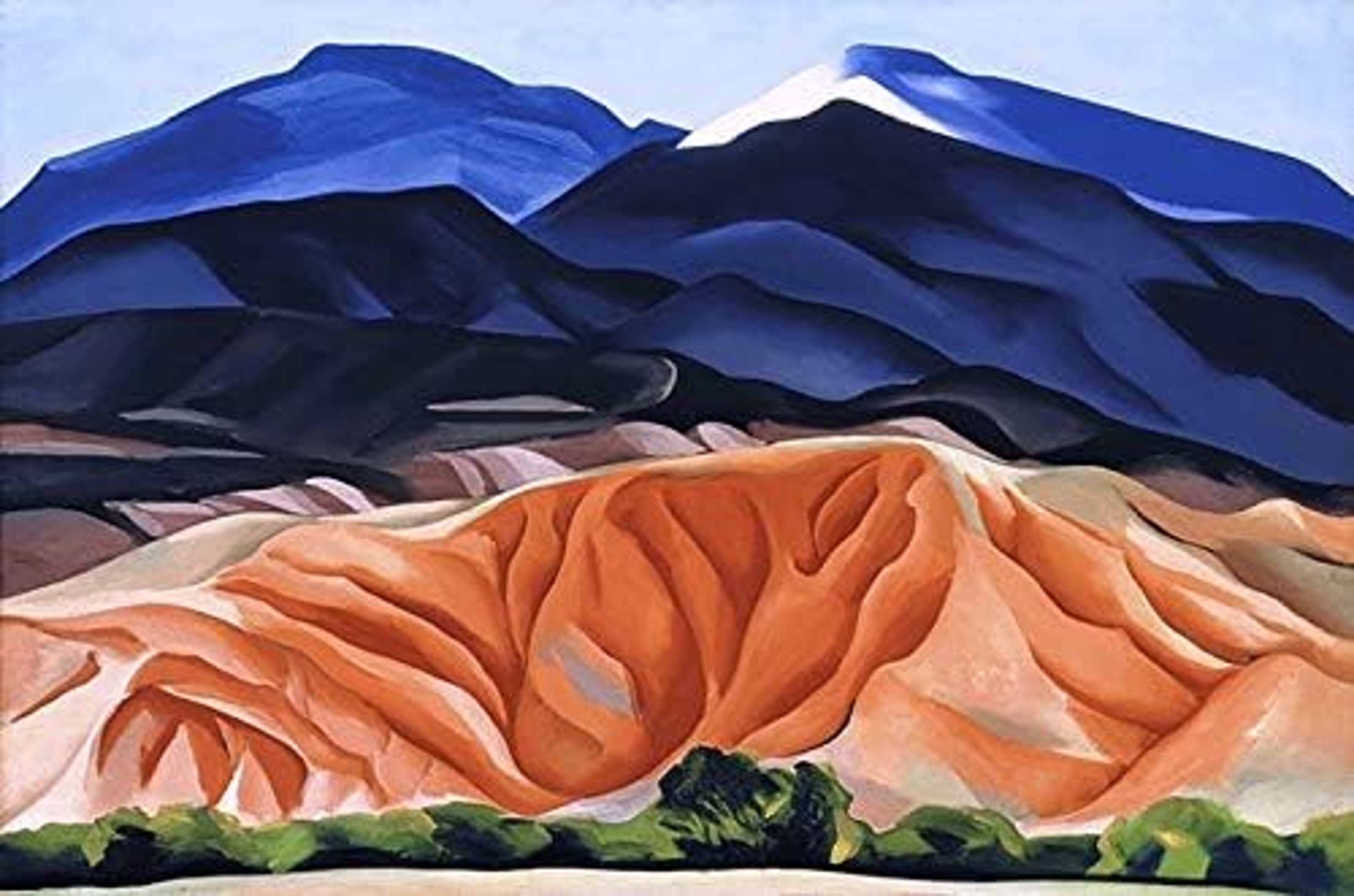
My grandmother is a child of the working class, a painter, and a Catholic tejana. Her family came from lowland Spaniards and highland Apaches, who met at the summit of the mountains. She was ready to marry my grandfather within a week of meeting him, and they took the leap of faith together. Both of them came from families of poor people who had never treated marriage as a means to network through money and status.
My grandmother has always taught me to seek meaning in relationships, history, and art.
She taught me about the way that the 1836 Texas Revolution had meant a reign of terror instead of life, liberty, or happiness to her people. When she married my abuelito, she learned that the education system of Mexico taught its citizens as much.
She praised the liberating wars of Benito Juárez and Abraham Lincoln against slavery and lawlessness.
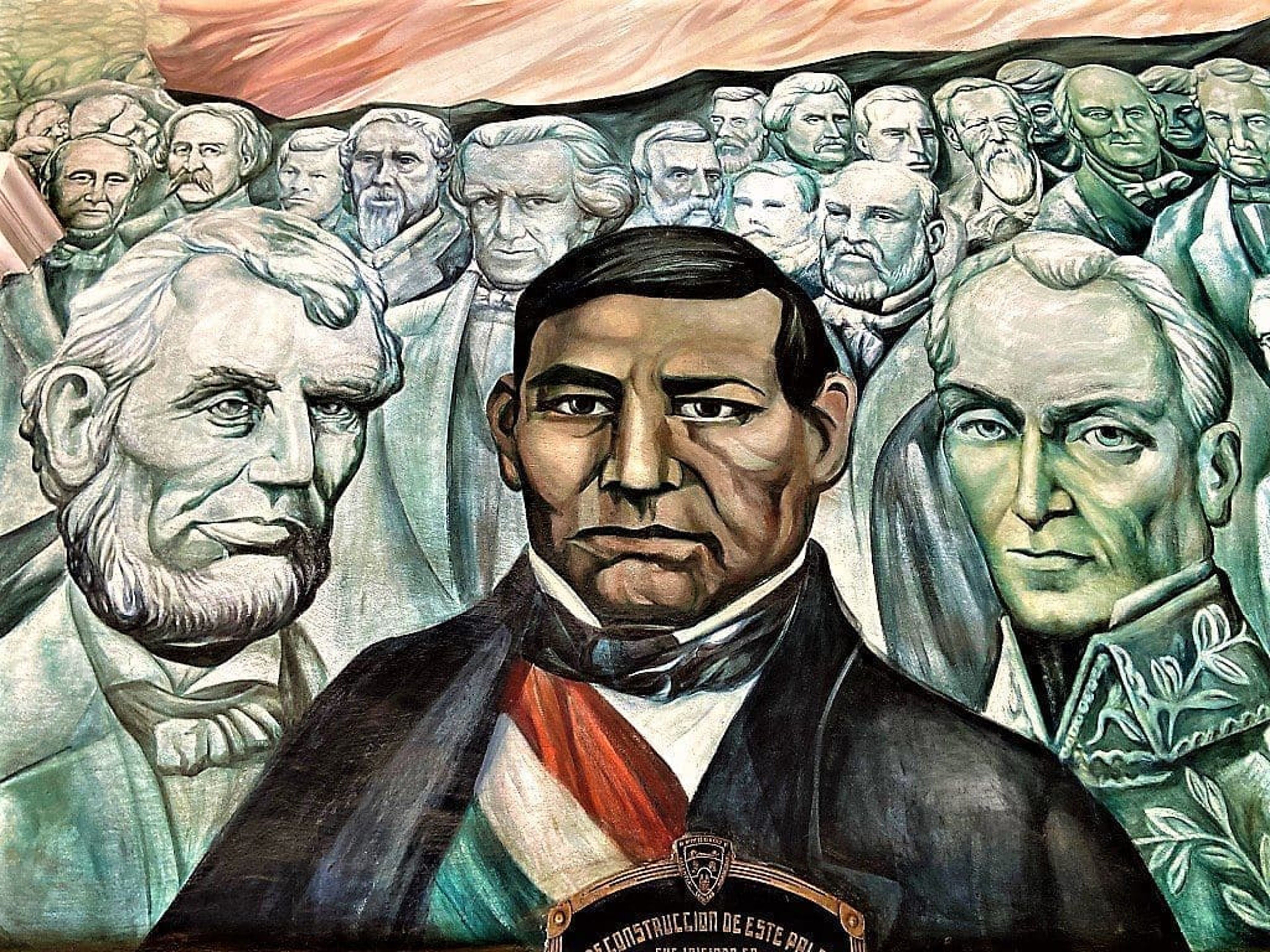
Mural in Casa Chihuahua, Mexico with Lincoln, Juárez, and Bolívar
My grandmother described the horrific lived realities of Jim Crow. She told of living side by side with African Americans under signs that read: “No dogs, Negroes, or Mexicans.” She and her siblings were forced to speak English in school or be punished. The possibility of a lynching was always hanging in the air.
Not everyone in my grandmother’s life responded to the terroristic degradation with dignity. She spoke of the mutualistic and civic ethics of her mother and the drunken misery of her father. Politics and suicide.
My grandmother told of the rise of her family from toiling in destitution under the Great Depression to enjoying comfortable prosperity with the tide of the New Deal. World War II was a Great Transformation for her and her family.
While she herself transitioned from the public work of the factory to the private and enclosed work of housecare, she remembered the publicity of the Civil Rights movement as marking a great turning point for all of the poor and oppressed in America.
She decries the continuing prejudices of racism and the brutalization of the poor. She speaks fondly of the Tzotzil Mayan neozapatistas of Chiapas, Mexico, who fought for the rights of indigenous peoples in the name of a new Mexican democracy for the people who wish to go beyond the world of 1492.
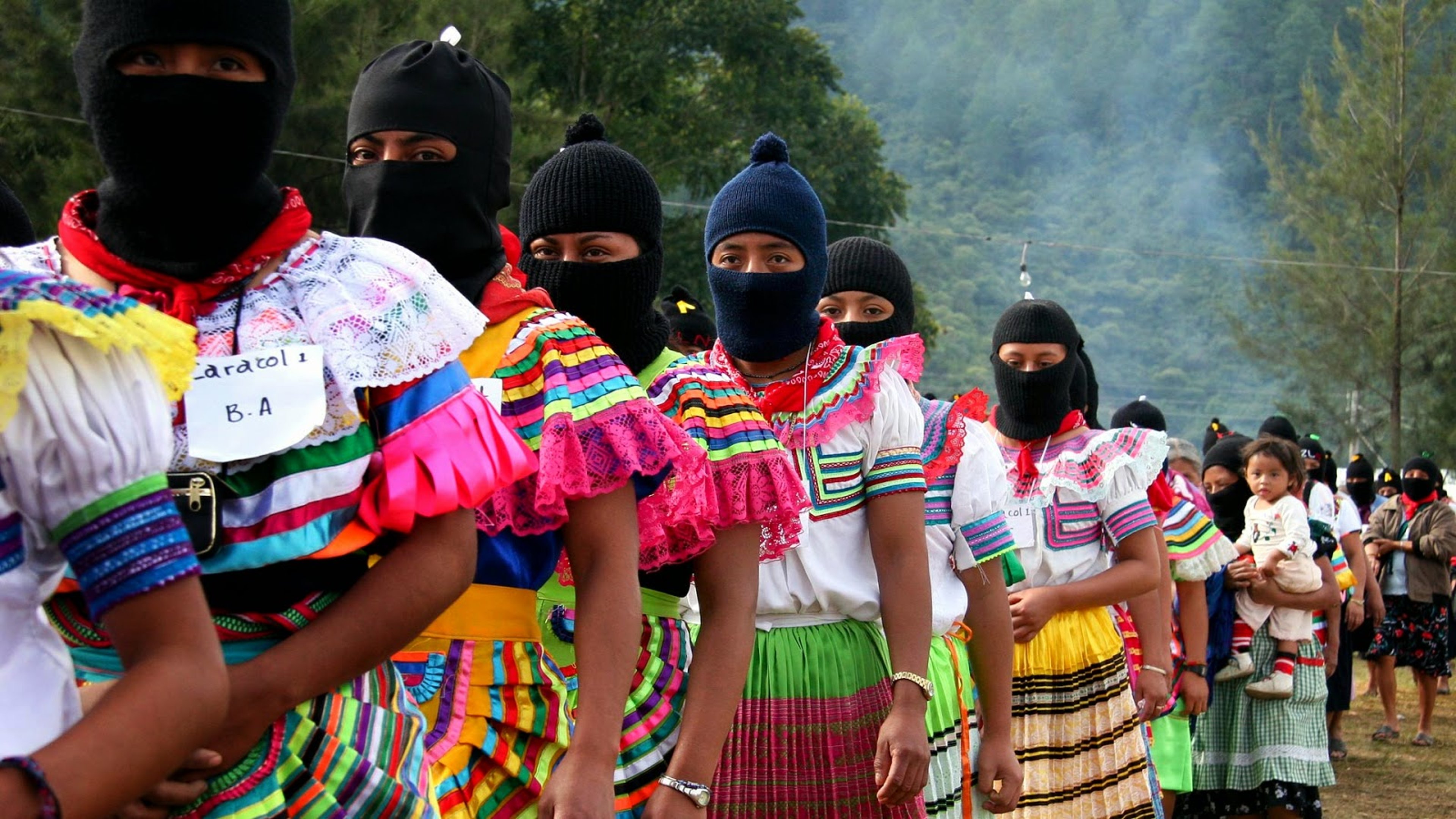
Zapatistas
My grandmother molded me into a true believer in bread and roses for all.
With some help from her friends, my grandmother transformed herself into an autodidactic artist. Through the shared experience of viewing, appreciating, and creating art, my grandmother guided me through the intimate link of labor with art. She taught me the techniques of drawing, the methods of painting, and the designs of the arts.
My grandmother sat down with me to look through her art history books. She familiarized me with the artworks of Michelangelo, Raphael, Leonardo da Vinci, Rembrandt, Francisco de Goya, Claude Monet, Vincent Van Gogh, Gustav Klimt, Pablo Picasso, Salvador Dalí, Frida Kahlo, and Diego Rivera.
My mother shared her mother’s appreciation—she put up reproductions of paintings by Van Gogh and Klimt in my childhood home. She hung the artworks created by my grandmother and myself right next to them.
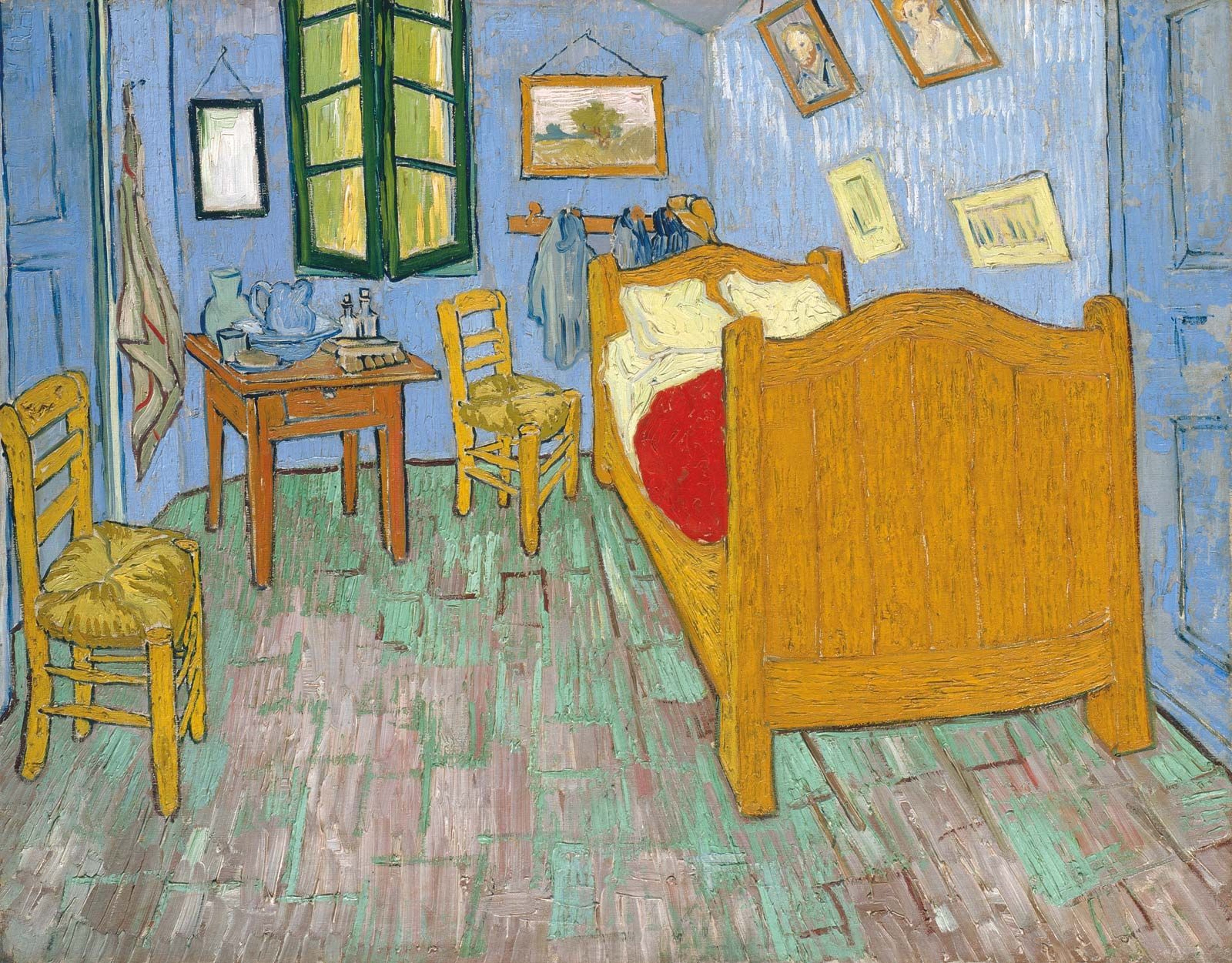
I learned to see the nature of art as a partial, yet completed reality that reflects our feelings, thoughts, and convictions about our own.
My mom and her siblings introduced me to the music of David Bowie the chameleon individualist and Black Sabbath the peaceniks.
My dad and his siblings showed me the world of Pink Floyd’s anti-consumerism and Bruce Springsteen’s tales of the American working class.
With my grandmother, my grandfather, and my relatives, I enjoyed the films of Charlie Chaplin, Ingmar Bergman, and Stanley Kubrick. I enjoyed them far more than the glorified toy advertisements of children’s television.
When my family showed me Star Wars, I learned the principles of Populist anti-Imperialism, sustained resistance from below, combining aboveground and underground work, decentralized guerrilla warfare, and leading by example through Propaganda of the Deed.
Around Halloween, we returned time and time again to Universal Studios horror classics like Dracula (1931) and Frankenstein (1931). In these films, I learned to see a reflection of the horrors around me—class parasitism and dehumanization.
The revelation of watching John Ford’s 1940 cinematic rendition of American novelist John Steinbeck’s The Grapes of Wrath (1939) put me on a path that could only lead to communism.
Through a work of art, I had learned to see the cracks in a world I would learn to describe as monopoly capitalist imperialism.
My mother read the novels of Jack London and Lewis Carroll to me when I was a toddler. The two authors, an American and Englishman, convinced me of the passions of animals and the wonders of the linguistic imagination.
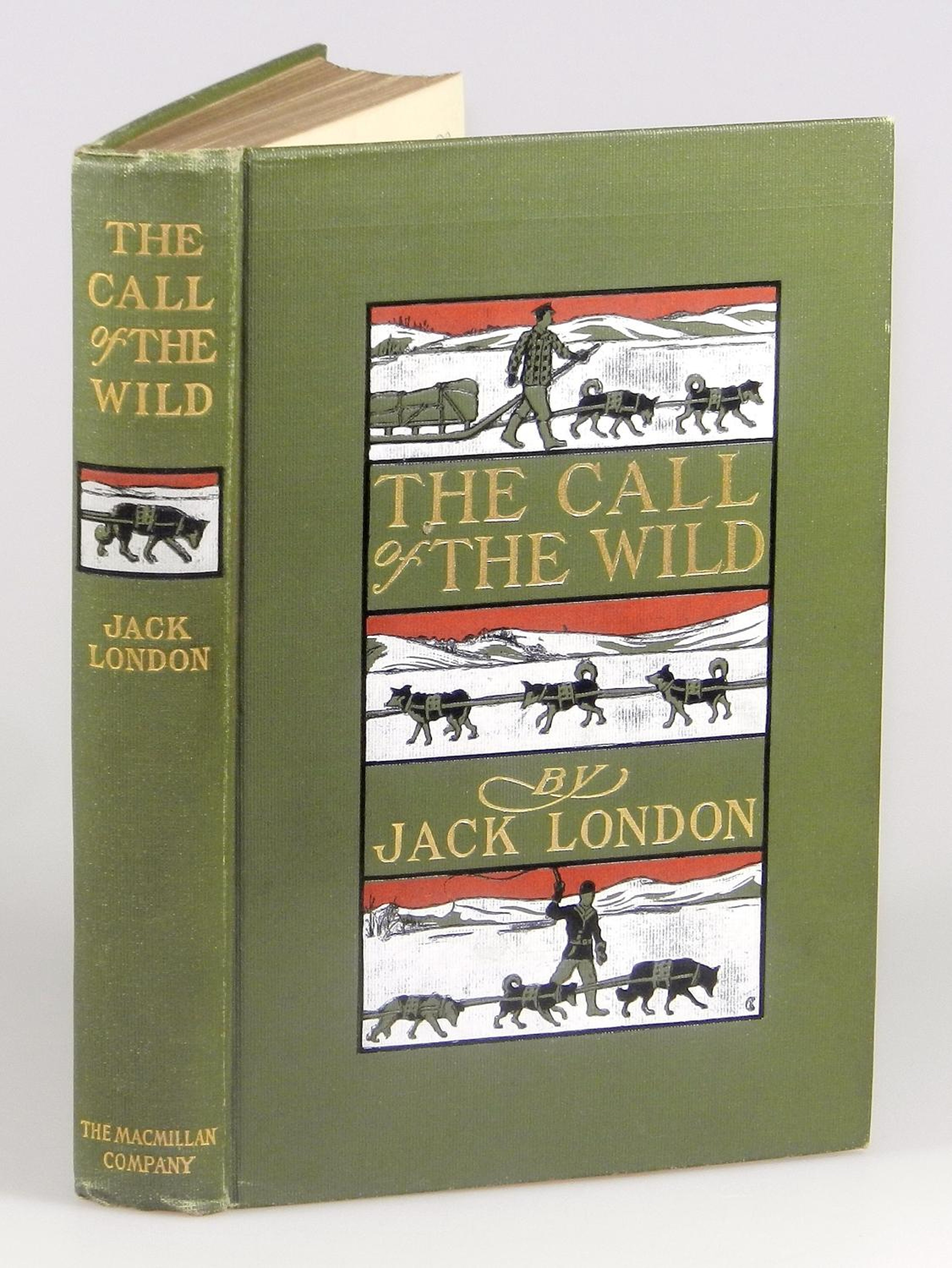
Jack London Call of the Wild
I couldn’t bring myself to accept the fact that the adult world of the War on Terror and Hurricane Katrina focused both of those faculties on manufacturing more suffering and death.
My father told me about the fight for desegregation waged in his youth, when Gen X was then the younger generation. While the older generations of white Silent Generationers and Boomers fought against busing, many Gen Xers saw it as common sense to encourage people to associate freely with each other.
This sentiment has motivated him through Civil Rights liberalism and reformist neoliberalism alike.
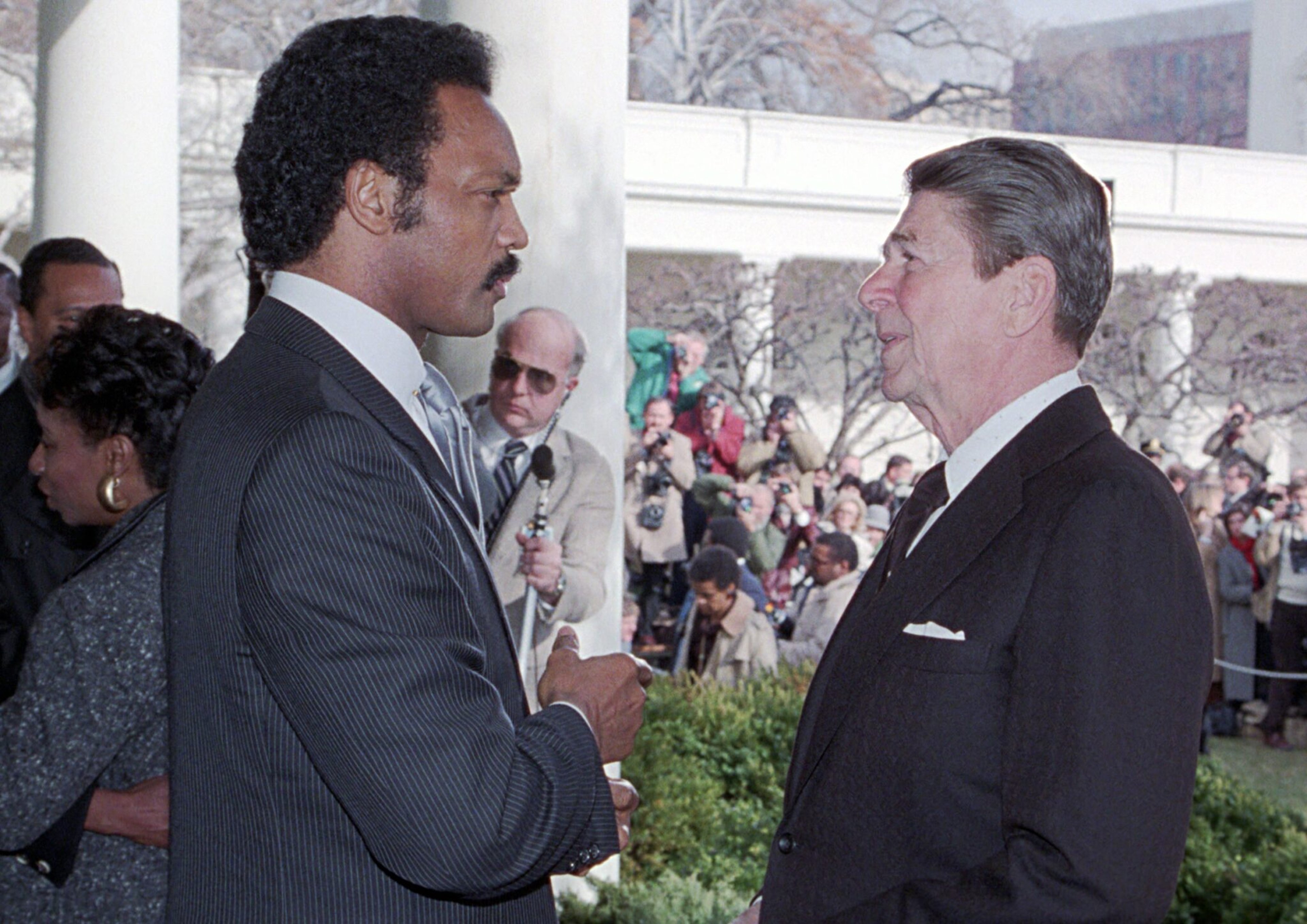
He is one of the few people I have ever known who equally admires both Jesse Jackson and Ronald Reagan.
I was never converted to the neoliberal credo that my parents had become true believers of from their experience of multiracial middle class prosperity in the 1980s and 1990s.
I saw evidence all around me that this was only the partial, class reality of suburbia, and that millions of poor people of color were segregated out of it.
I internalized my parents’ mantra of personal responsibility by looking through the world with my own eyes, feeling against it with my own heart, and thinking my own thoughts about what was wrong with it.
Preschool and kindergarten introduced me to the reality of freedom of association through the free labor of the classroom. I met an endless revolving door of new strangers, and learned how to persuade them to become friends.
We watched larvae metamorphose into butterflies, took care of newborn chicks, and learned the alphabetical and geometrical principles that could help us make our own way through the world. Through the educational system created by Johann Pestalozzi and Friedrich Fröbel, I began to channel my instinctual communism into labor and intellect.

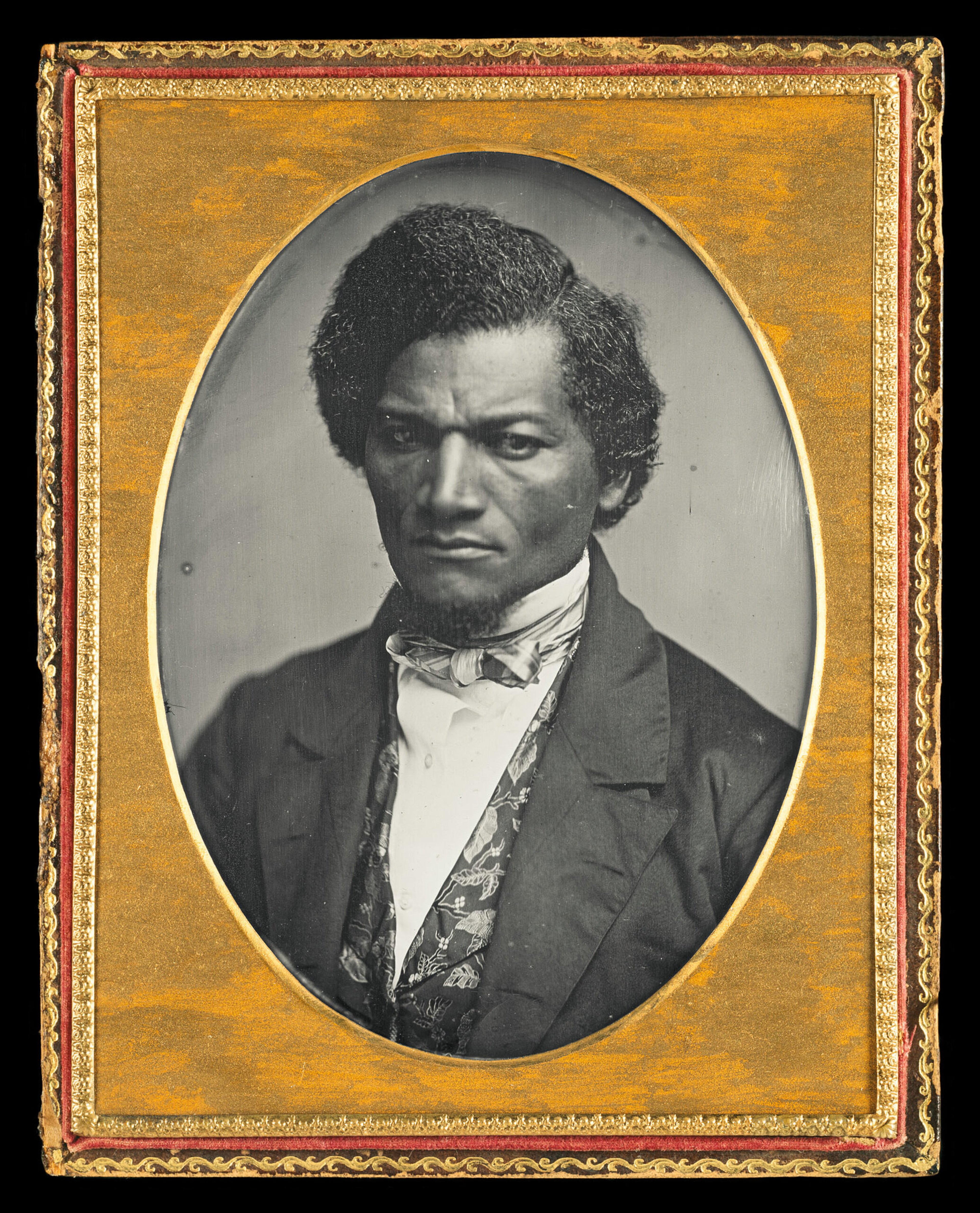
I grew to hate wage slavery as an elementary school student. My parents encouraged me to read an immediate abolitionist manifesto, Narrative of the Life of Frederick Douglass (1845). How could any believer have lived with themselves after putting a free and creative individual like Douglass in chains? How could they carve up his beloved kith and kin into products to be traded at will?
With Douglass, I held that no compromise could be made with enslavers. By following the lines of the self-made freedman’s pen, my instinctual hatred of oppression became an understanding of how human beings made hell out of earth. I learned of the bonds of chattel and wage slavery alike that “Christian” capitalists had held Black Americans in.
I felt nothing but sympathy for Douglass’s violent resistance and illegal theft of his own commodified existence. I knew that, if I wanted to live with myself, I would have no choice but to assist the radical subverts of the Underground Railroad like Sojourner Truth and Harriet Tubman. I felt that the bloodshed of the Civil War had been an absolutely necessary social revolution for the refoundation of the country.
Douglass was my own Karl Marx. The narrative of his life, and the lives of others like the self-made freedpeople Truth and Tubman, were my communists. My time with their work, and the conditions of the working class in America, convinced me of communism.
The tradition of abolitionism continued to radicalize me after witnessing the great anti-monopoly upsurge of Occupy Wall Street in 2011. In middle school, I was thrilled to find the books and essays of Henry David Thoreau, individualist and naturalist.
Thoreau was the first writer I had read since those toddler days spent listening to London and Carroll in my mother’s voice that actually spoke to my instinctual animism. Thoreau spoke to me with my own voice, within the privacy of my thoughts.
From essays like “Civil Disobedience” (1849) and books like Walden (1854), I learned how to articulate the inherent dignity and value of all living beings and nature itself with them.
I had already learned of the horrors that European tyrants had inflicted on indigenous peoples from my Mexican grandfather. Thoreau and other anarchists taught me the kind of ethics that could drive a European-American to resist the white subjection of Natives. As I read novels like libertarian writer Mary Shelley’s Frankenstein (1818), I came to understand the fragmented nature of all people.
The anarchists proved to me that individualism was the greatest force for resisting the mutilation of the world that I saw all around me. I became an unwavering individualist and a strategically flexible communist. I learned this from Americans like Thoreau, John Brown, and Lucy Parsons long before I read about it in Max Stirner, Luigi Galleani, or Alfredo Bonanno.
I was alone with my thoughts. I became a voice calling out to the cosmopolitan wilderness.

Having long heard of the injustices and Ideological fictions of patriarchy from my mother and my friends, I became a propagandist for intersectional feminism in middle school.
I refused to grant impunity to any wrong. I criticized the rape culture and racism that pervaded the relationships around me. From my training in criticism, I learned the hermeneutics of suspicion.
As I had to begin seriously considering the beginning of my lifetime as a worker, I grew interested in the means to resist capitalist power. When I finally began to read Marx and Lenin in high school, I did so through the perspective of my participation in the feminist and immigrants' rights movements.
I wanted to understand what it would mean to organize a political movement that resisted an entrenched power structure like patriarchy or white supremacy and established society anew.
I only read Karl Marx and Vladimir Lenin’s critiques of capitalism for lessons in universal emancipation. I did not look back to them to find recipes for the cook shops of the future in their works. I believed that history could only provide riddles to be solved.
I attended my first May Day rallies. I carried the red flag and talked to the elders among my fellow communists about politics and recent history.

I conveyed what I learned at meetings of what was then known as the Movimiento Estudiantil Chicanx de Aztlán (MEChA), which changed its name to Mecha in 2019 for the sake of greater inclusion. Many of my close compatriots in MEChA were Indigenous immigrants—they came from pueblos of Yaquis, Nahuas, Zapotecs, and Mayans.
I helped some friends coordinate a Chicana feminist club that united people of all genders. In our discussions, we began to work out the power structure that was exposed to the world by #MeToo in 2017 and the suicide of Jeffrey Epstein in 2019.
I held a discussion group of my own about international history and politics. We began to work out a language of our own to understand the links between global imperialism, the oppression of Black Americans, and the attacks on immigrants.
In college, I organized in the immigrant rights movement through Mecha and the Indigenous rights movement through First Nations organizations.
I advocated for the preservation of the Chicana/o identity of Mecha during the organization’s 2019 national convention and participated in First Nations politics out of a sense of intercommunalist solidarity.
I went out into the streets in 2020, the campuses in 2024, and the detention centers in 2025 because to be at peace with myself, I have to be at war with the world.
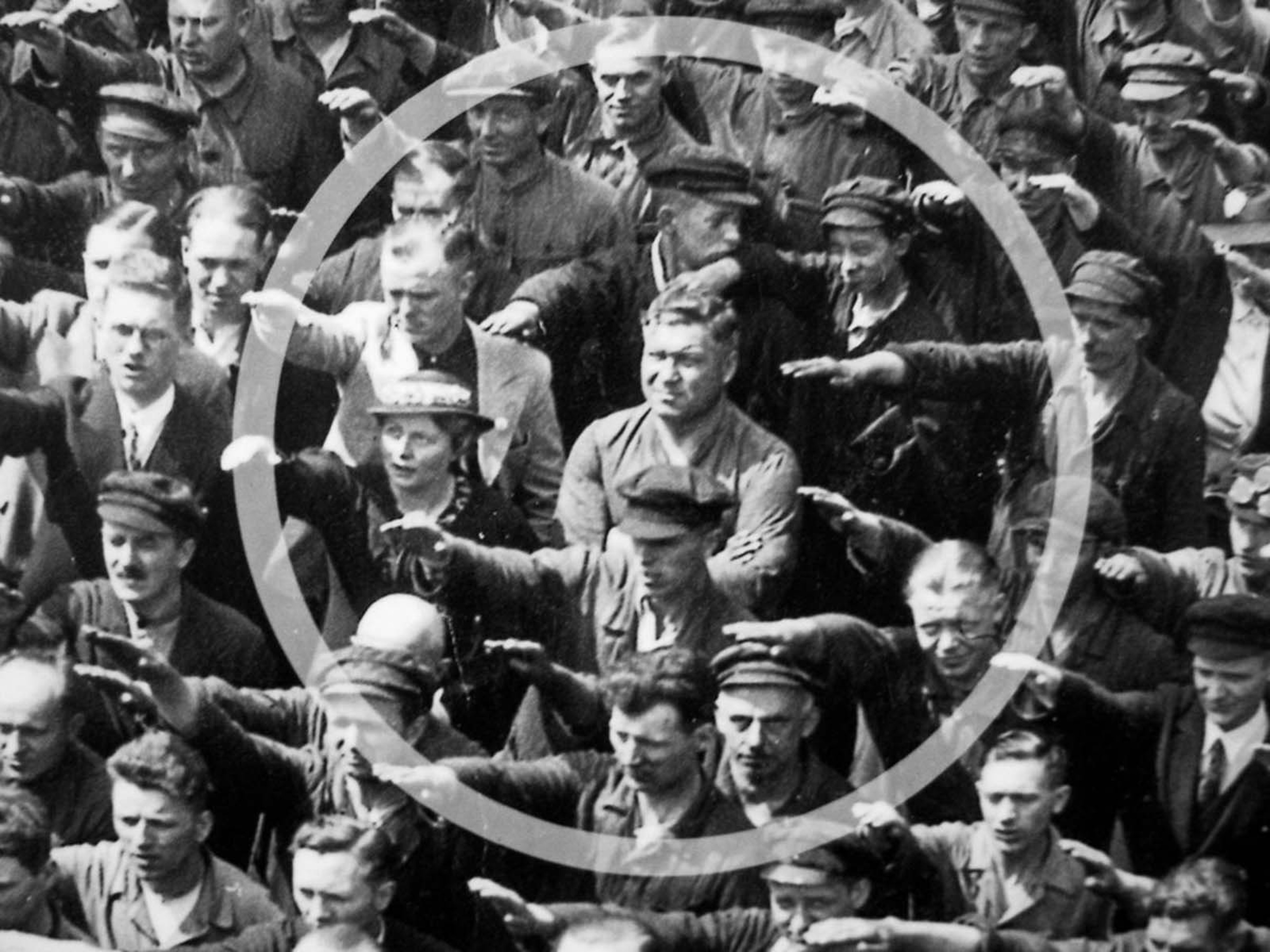
August Landmesser refusing to salute Hitler
Today, I am an unemployed unionist and educator educated by students.
A proletarian who has witnessed my most beloved relatives wield the managerial tyranny of capital.
I embrace working women who set capital and labor alike into motion.
The poorest of my friends are neoliberals who insist on the righteousness of accumulation.
The richest of my friends are the children of the red capitalists who enriched themselves for the revolution.
My life is a crossroads of proletarian capitalists and bourgeoisie who work for their own capital.
I am a researcher of all areas of knowledge and a polemicist for the singular importance of a scattered cause.
When I look into my own face, I cannot see myself. I can only see throngs of people in their multitudes.
I am a moving contradiction.
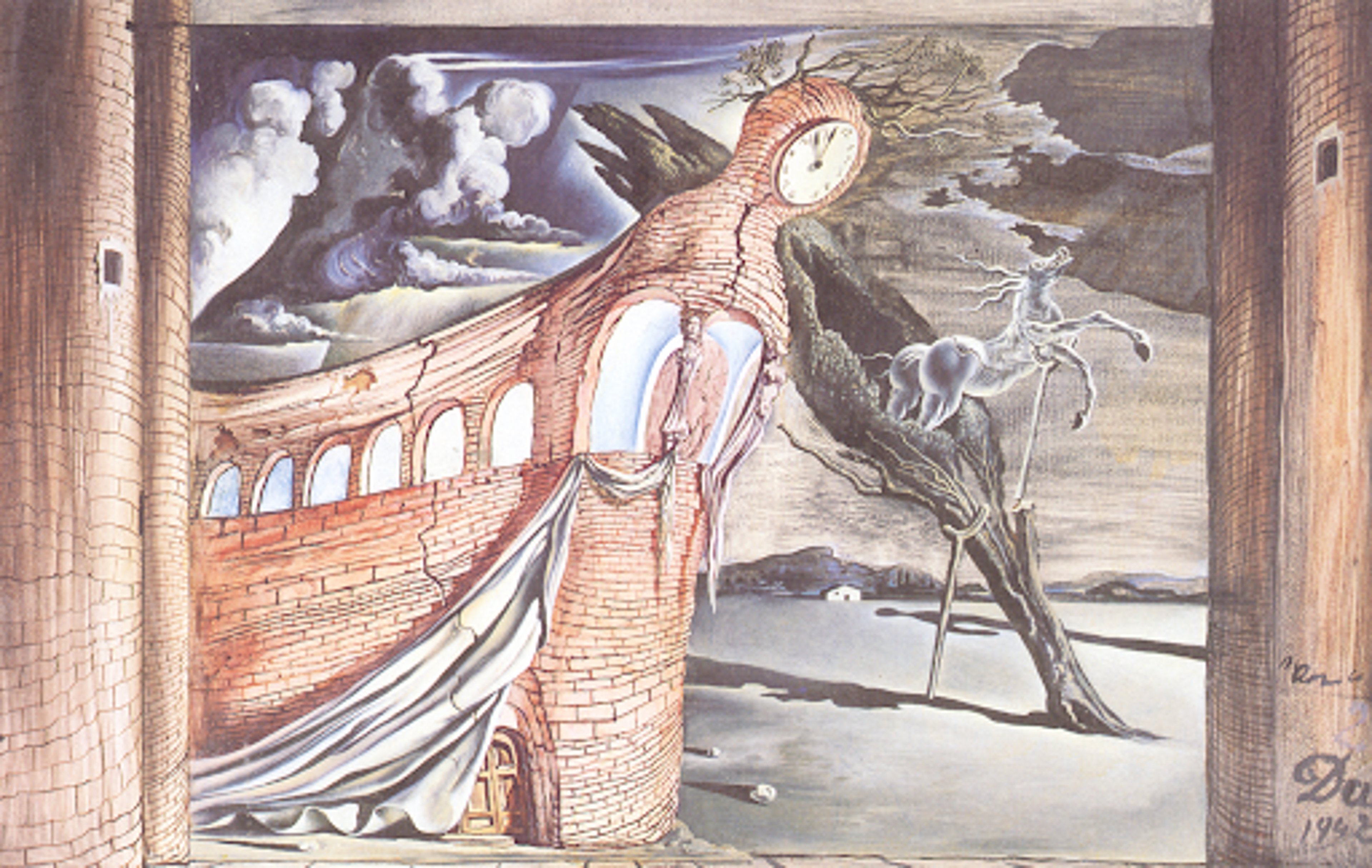
With the power of thinking on, against, and across borders, I become more Trumpian than Trump.
I am a protestor of conscience who stands without holding signs, who marches without shouting slogans, and who occupies without demanding that the system do its job.
I carry red flags and the banners of my organizations, but I do not seek out recognition on behalf of any institutions.
During May Day marches, I sing along with chants. My favorite is “el pueblo unido jamás será vencido,” the people united can never be defeated.
Yes, let’s Make America Great Again—the America that lived before 1492, lives beyond 1607, and has thrived even throughout the No Man’s Land between the two!
My beloved is a child of the Americas and Asia alike. We are a cosmopolitan couple bound together by a universal love that unites the Atlantic and Pacific into a singular home that stretches out into the four directions.
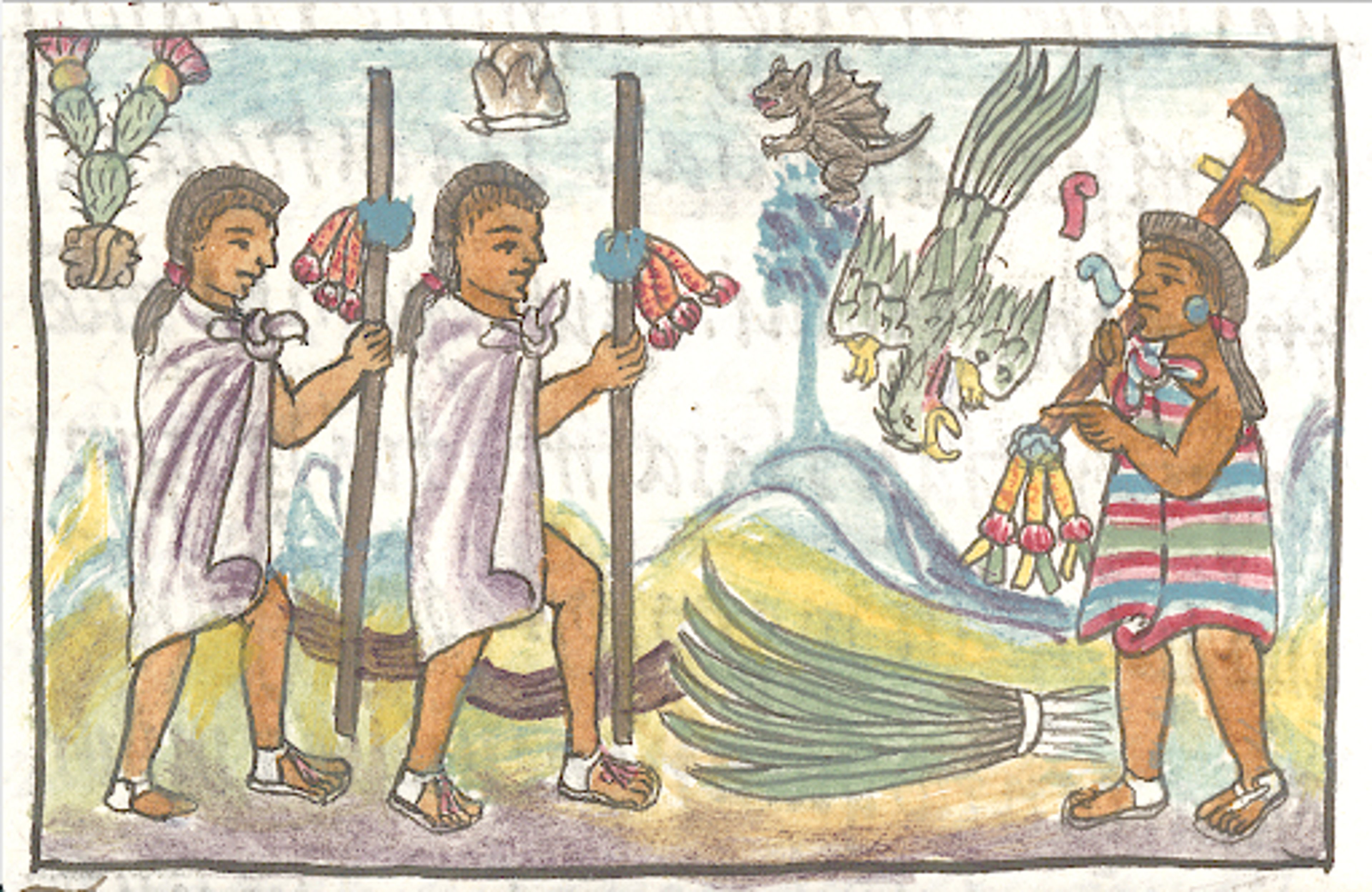
Florentine Codex
I am the descendant of colonizing natives and occupied colonizers.
I despise multinational corporations out of a neighborly love for all peoples.
I stand for communism out of my own sense of selfish individualism.
I have no stake in any one-sided resentment.
I only wish for you to think past your own knee-jerk reactions and listen to what I have to say.
I give you the reason and rhetoric of my voice to convince you.
I deny you my face, so that you can make neither a victim nor an idol out of me.
Does it sound like I’m a foreign enemy that menaces your life, liberty, and pursuit of happiness?
Aren’t I an American by any definition of the word?
I am as American as I am a communist.
Yes, communism!