
Nov 3, 2026
Yes, Communism! Part II: Communism is more American than Trump
From Metacom to Nat Turner to the anti-rent wars, M. Sanchez recovers the American history of radical change that our leaders are afraid we'll learn.
Part II. Communists fight for liberty and justice for all
I have been inside of your temples, and I did not like what I saw. You have filled them with deceptive idols and made them into places of shameless exploitation.
Anti-communists would have you believe that communism is alien to American soil. The “enemy of July 4th, 1776,” as President Donald Trump said.
They paint communism as a dogma created by unreasonable foreigners like Karl Marx and Vladimir Lenin that immigrant professors then brainwashed into the heads of naive American youth.
These anti-communists have their own problem with blind dogmatism. Their minds are lost in their own narrow-minded prejudices regarding what is and is not American.
The Department of Homeland Security could even brand me a seditionist just for writing down these simple questions: Haven’t radical changes and decisive struggles always been part of American history? What role have communists played in the key episodes of North American history?
I am coming with a hammer to smash the idols and a whip to drive out the moneychangers. I offer an olive branch of peace to anyone who wishes to follow me inside to tear down the deceivers and exploiters.
Segment II.A. Communists in American history
Radical things have been part of North America ever since it first became a “New World” for all—Native Americans, Europeans, Africans, and Asians alike.
The processes unleashed by Christopher Columbus’s slave-raiding Crusade in 1492 and the garrisoned establishment of Jamestown in 1607 changed the whole planet from the inside out and top to bottom.
All of it meant a new beginning in the history of the world.
Perhaps the Natives should have smothered it in its cradle with their own border patrol to deport the invaders?
Empires tried and failed to control the flood of illegal aliens with wet backs, poor hygiene, and infectious diseases.
They were thwarted by their own Native neighbors.
The New World was coming, whether they wanted it or not—the only option for everyone was to make their own place in it.
Every accusation is a confession. Every myth is a riddle. Every moment is an answer.
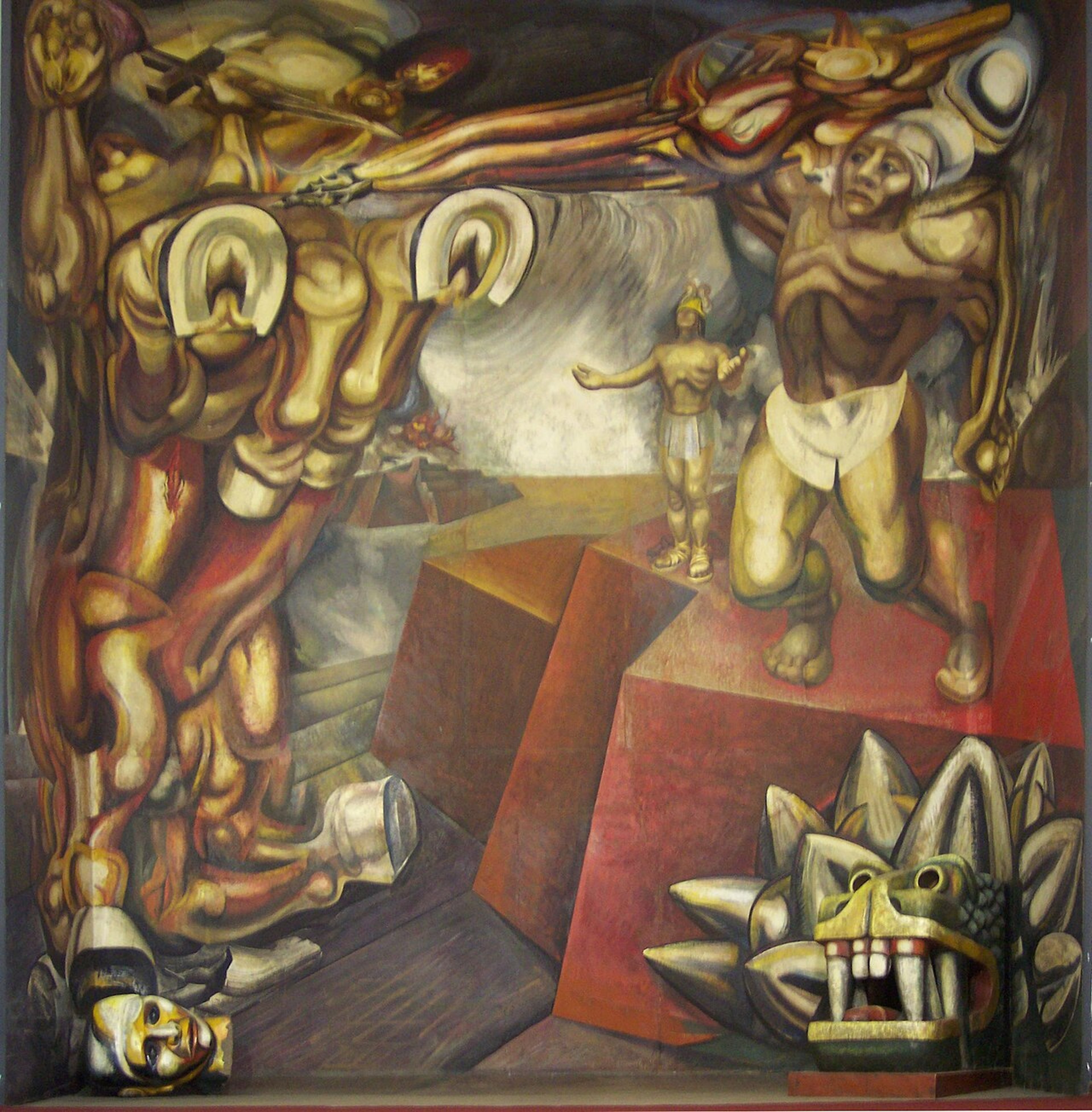
Mural
Section II.A.a. The early colonial era
Fragment II.A.a.ia. The New World
Most Europeans looked on this “New World,” created in 1492 and 1607, as an unknown continent (unknown to whom?). Some leered with rapacious lust at the Americas, imagining it as a virgin land just waiting to be conquered and exploited. Others hoped to bring the word of Jesus Christ and the worship of work to these strangers. A few believed that America would become the site of the utopian New Jerusalem foretold in mystical traditions.
European settlers immigrated to and settled this northern portion of this América for a variety of reasons. Most came from the landless classes that had been shut out of the decaying medieval social order. More than a few of them came in the lower quarters of the ships that travelled across the Atlantic, destined to spend most of their life in indentured servitude to pay off the price of their voyage.
The majority of the settlers sought to take land and make wealth for themselves. Others sought the ability to design societies in accordance with the principles of religions that were unpopular or persecuted in Europe, like Puritanism or Anabaptism. All sought liberty from the stale air of post-Renaissance Europe, which still hadn’t dismantled the hierarchy of the Middle Ages, the warmongering of the Crusades, or the bloody poor laws that the middle and upper classes imposed on the landless poor.
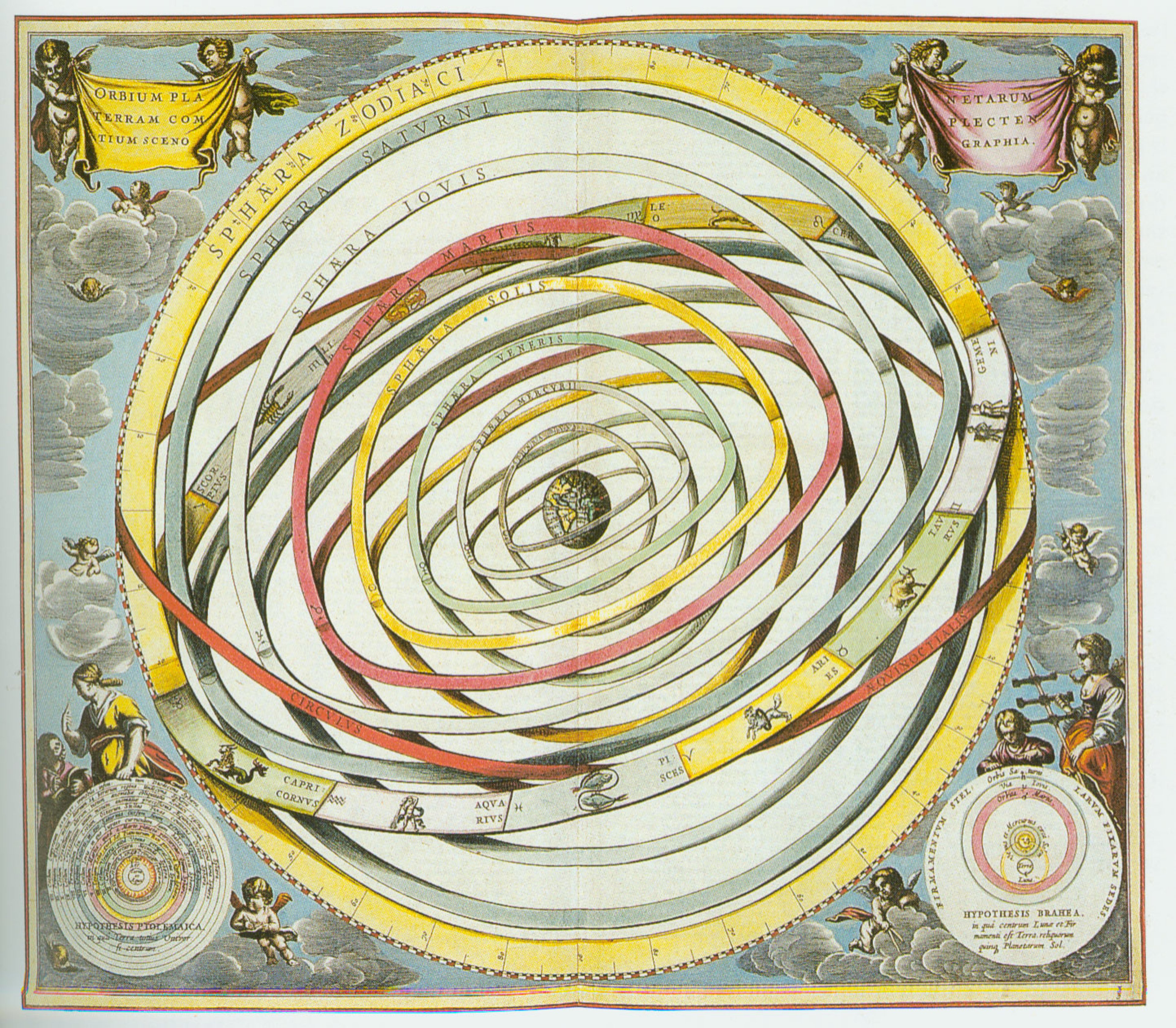
Rosicrucianism symbol
The flux of new plants, animals, products, people, desires, songs, ideas, and feelings began to transform the worlds of indigenous communities. The relational and democratic elements in Native cultures became important means for Natives to struggle to control their foreign relations by sending grassroots delegations to the foreigners, engage in political self-advocacy for their tribal geopolitical interests, and organize the self-defense of their community when the settlers and their Native allies or some other rivaling tribes entered a state of war with them.
The world became an unfamiliar and unexpected place for everyone, transformed by the Columbian Exchange of things, bodies, words, spirits and sicknesses. Europeans made pilgrimages, expeditions, and invasions all over the planet. Africans were brought to the Americas in chains, packed into ships like furniture, and worked to death on cash crop plantations. The African continent was so depopulated by the transatlantic slave trade that society could no longer sustain itself in many nations. Many chose to jump into the sea rather than live a life on their knees. Some mothers killed their children rather than condemn them to a life of slavery. Still others fled from the plantations and formed their own maroon nations or assimilated into Indigenous tribes. Native peoples refused to surrender and continued to pursue a place for their own worlds in the New World. In a world that had been reborn from top to bottom, resistance was all around.
Fragment II.A.a.ib. Peace, power, righteousness
We who speak tongues shaped by Greek and Latin call the things we want a “democracy” or “republic.” These things are realities that have always been indigenous to the Americas. The settlers did not bring democracy or republicanism to the Natives. Most of the settlers had only experienced tyrannical monarchism and hierarchical medievalism in Europe. The Natives had to bring democracy to them from outside, yet working with the language, culture, and inclinations of the newcomers in order to teach them how to live together in peace.
The Natives schooled the settlers in the basic methods of working the land sustainably, trading appealing things for things that appeal, convincing others with public speeches, earning leadership from the consent of the community, retaining authority by looking out for the wellbeing of all, and conducting diplomacy with other peoples on the basis of mutual respect.
You cannot understand the full meaning of a “democracy” without becoming familiar with the ethico-political teachings of the Mohawk Great Peacemaker, who was likely born centuries before Europeans even invented the printing press an entire ocean away. You cannot understand the reality of a “republic” without learning the principles of an association bound by reciprocal rights and duties that have been practiced for centuries by the Haudenosaunee Confederacy.
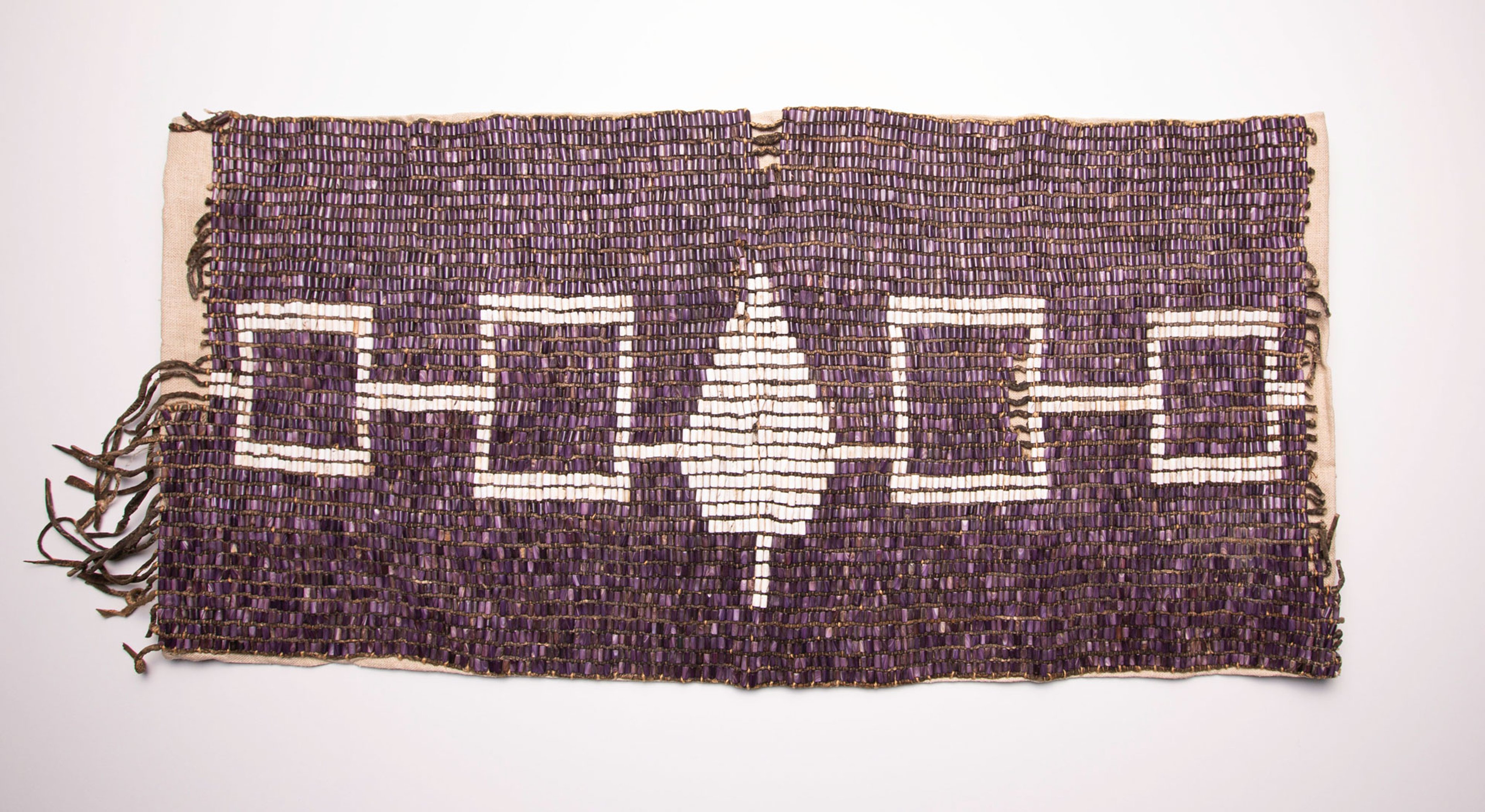
Onondaga Hiawatha Belt
Wherever diplomacy broke down, the Natives had to teach the perpetual newcomers the lessons in peace, power, and righteousness all over again. The Europeans continued to expand the state of war. They brought it into their own civil society in 1619, when they began using enslaved Africans as labor.
The colonial proletariat became divided between indentured settlers and commodified slaves. The former enjoyed the minimal rights of Englishmen, while the latter was allowed no political existence—the enslaved were considered socially dead. They had no rights which the Englishmen were bound to respect. Men, women, children, and elders alike were treated as property with no names other than the proprietary brands of their enslavers. Their very preservation of their beloved ties of kith and kin was an action taken within and against their existence as commodities and capital.
Native leaders continued to try to maintain the international rule of law. After bringing the former slave and apprentice John Smith to a feast at the Powhatan nation’s capital Werowocomoco in 1607, Chief Powhatan, father of Pocahontas, delivered a speech to the newcomer John Smith. Powhatan didn’t know it yet, but Smith would become the future “son-in-law” that would kidnap and rape his daughter.
Pocahontas and Powhatan focused their conduct on the immediate matter of keeping the peace. Powhatan reserved the same critical ire for Smith and the other settlers alike, taking the former as a spokesperson for the latter. They did not seem to understand the strange class hierarchies of English society.
Powhatan accused all of the newcomers of reneging on their obligation to keep peace with his people, stealing from them, and warring against them when they could have forged close bonds of friendship, gave gifts to each other, and loved each other as family.
The Natives were significantly more worldly in intellect, culture, and language than the settlers. The first Native American to speak to the Pilgrims at Plymouth Rock on March 16, 1621 spoke to them in English. His name was Samoset, and he was an Abenaki spokesman for people. He lived the unique life of a polyglot, negotiator, mediator, and diplomat. He had learned the language of the Puritans by holding friendly conversations with the English fishermen who visited the Gulf of Maine. The English settlers did not initially think to practice such a simple method of learning by experience. They instead focused their efforts on erecting garrisoned walls around their fort and terraforming the earth within it into a mirror image of Europe.
The first “democratic” and “republican” political struggles against monopoly power in North America were initiated by Native peoples. Narragansett spokesman Miantonomi believed that the power of the Puritan-led Massachusetts Bay Company had gotten out of hand by the 1630s. It was threatening to become a tyranny over all.
Miantonomi warned his fellow Natives of all tribes about the danger. He pointed out that the English had created their property regime by driving people from their homes, enclosing the common lands of all, ruining the natural resources that everyone relied on, and punishing the usufructory right practiced by all living beings as a sin and crime worthy of the punishing wages of death. In the 1640s, Miantonomi began to call for all tribes to form an alliance and crush the foreign yoke. He would die before being able to coordinate, organize, and lead the alliance, but it would come to pass in the voices of other spokespeople.
The next to take up the call for usufructory rights, freedom of association, and the restoration of the international law of the gift economy was not a Native American, but a radical Anglican and revivalist pagan from Devon, England. He was the first to bring the gift-playing bacchanal festival of the Maypole on May 1st to the Americas. He sold weapons to Natives and taught them how to use guns for the self-defense of their communities from invaders.
Morton had come from the open sea to the shores of modern Quincy, Massachusetts in 1624 as part of a crew of traders that combined captains, free men, and indentured servants—or, managers, plebeians, and proletarians. They all worked for the enrichment of their collective company, pooling their goods in common and distributing them according to the negotiated compensation for each crew member.
During a visit to Jamestown in 1626, the ship’s captain grew too greedy and sold a number of the indentured servants to be exploited as slaves on the tobacco plantations of the military colony. The freeman Morton, incensed, called on his indentured fellow servants to rebel against the captains and abandon the factory hell of the ship. Morton led them in their Exodus to a freedom beyond the colonial outposts and established Merrymount as a center of cosmopolitan commerce and multinational discourses on ethics.
Morton was a critic of Puritan imperialism and an advocate for Indigenous autonomy, not out of altruism, but out of a desire for a more free and expansive commerce between equals. His anti-Puritan political theology polemic, New English Canaan (1637) was the first to be banned in the Anglo-American colonies.
Morton’s continued struggle for free speech and free association was the first great democratic and individualist campaign within the settler society.
Only the revolt of the exploited within could win the dream of a cooperative commonwealth that Morton and his comrades brought into a sporadic existence around the May Pole.
The rude and pagan race of the new multiracial proletariat became a source of constant disruption.
Section II.A.b. Race and resistance
Fragment II.A.b.ia. Metacom’s Rebellion
Struggles against monopoly power have always been bound up with struggles against racism and imperialism.
This is the secret lesson taught to us by 500 years of Indigenous resistance that our leaders are afraid of us learning. What happens to those heavy parasites if we, who own nothing and yet do all of the necessary work for the pillaging society, were to instead dump our bosses off of our backs?
What happens to their empires if we wander out of the fort and pass through No Man’s Land to go meet our “enemies” with baskets of gifts in hand? If we begin fraternizing with all those we have allowed them to designate as our “enemies,” apologetically making amends, then livening things up with festive reacquaintanceship?
The monopolists would rather that we pretend that “all the real Indians died out.” They are anxious for us to get back to focusing on living an imperialist life without principle, wasted on the nothingness of our work and the ennui of our consumption.
The English settlers believed that they were fighting to make the world safe for free Christendom. The Natives were struggling to preserve their democracy against the imperialism of authoritarian fanatics.
Metacom, leader of the Wampanoags who lived near the Plymouth colony, managed to organize a multi-tribal revolutionary resistance against the settlers by the 1870s. They raided farms and seized the food and animals of settlers, rescinding their Thanksgiving greetings from those who had left them as a despised, starving, and landless rabble.
It was as if Metacom was the Wampanoag twin brother of Gerrard Winstanley, his speeches cosmically resonating with the rhetoric of The True Levellers Standard (1649), and his warriors fighting as guerrilla allies of the pacifist Digger Christians of 1649-1651, who tore out the fencing that enclosed the English common lands that had once been free for all as the commercial property of the few.
Metacom and his fellow hungry warriors were America’s first proletarian revolutionaries. They refused to accept a life as exploited “Praying Indians” and revolted instead.
The only reason we do not recognize them as revolutionaries is because we are too well-trained in thinking by the lazy and boring stereotypes of biological race instead of through the border-hopping creativity of dialectical reason.
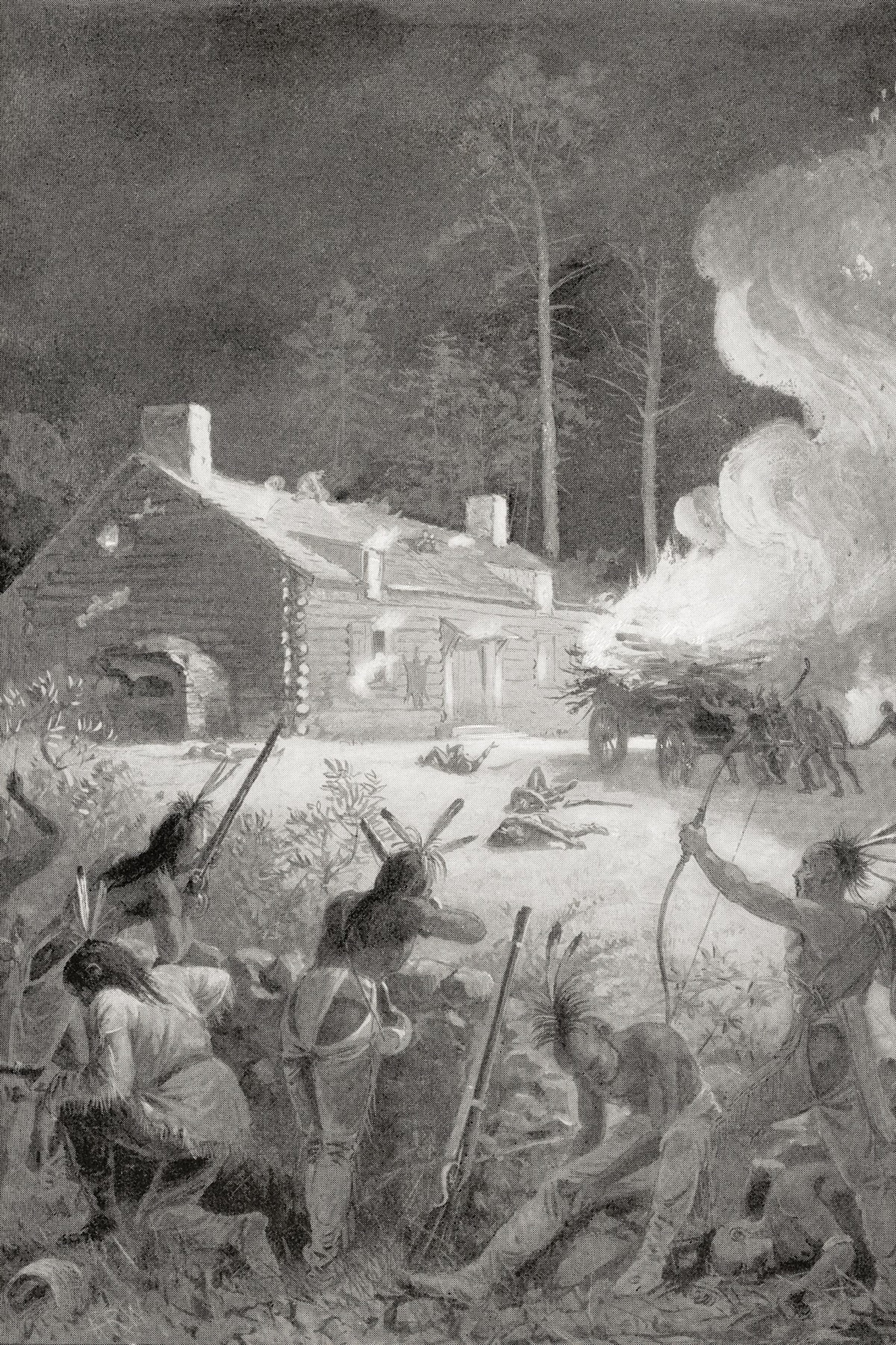
Metacom's Rebellion
In 1675, John Easton, Attorney General of the Rhode Island colony, agreed to meet for negotiations to make diplomatic peace with Metacom and his warriors. Metacom said that the tribes of the Northeastern Woodlands had been the first to do good to the English, while the English had been the first in doing wrong.
Metacom explained the historical process of their monopoly capitalist society.
The preceding generation of Wampanoags, who had once invited the settlers to the gift of their first Thanksgiving meal, had made gestures of goodwill that were meant to bring the European-Americans into the fold of their network of diplomatic alliances.
As the English grew in power, they began to infringe on the international laws of the Northeastern Woodlands. Their liberty was little more than piracy. They trampled on justice. They disrupted the peace of all.
Metacom warned Easton that the now-powerful English should learn to treat the tribes as they had treated the English if they wished for his forces to put down their weapons and make a new peace with them.
The English and their Native allies refused the terms of the peace. The settlers waged a racial war of extermination on the allied tribes. Some even broke out in violence against their own Native allies. The settlers had brought the first lynch mobs to America.
Fragment II.A.b.ib. Bacon’s Rebellion
In 1676, a political dispute broke out between Anglo-American land speculator Nathaniel Bacon and his lower-class allies with Crown-appointed Virginia Governor William Berkeley over the geopolitical conservatism of official colonial policy.
Governor Berkeley sought to limit the race war against Natives and the distribution of new lands within the terms set by the Colony’s bureaucracy, effectively for the sake of the Virginia Company to extract a monopoly rent on new colonial profits.
Nathaniel Bacon, smelling an opportunity to turn his skills into more property, pompously declared his demands for access to free trade (read: theft) and property (read: contraband) for all settlers.
The sound of Bacon’s rhetoric perked up the ears of Black enslaved proletarians and European-American settler servants. Their brutal toil and exploitation on the tobacco plantations and in the workshops kept the settler society going. What if they could do something to change this?
In reality, Bacon intended to reduce the ambitions of his allies in the proletariat to little more than playing the part of a gang standing around menacingly while he alone negotiated with the corporate-bureaucratic elite.
Bacon was not able to keep a leash on his attack dogs for very long. The dispute between the two factions of elites soon boiled over from a populist upsurge into a multiracial class war. The debate over the conduct of so-called “foreign” policy had struck a nerve in settler society.
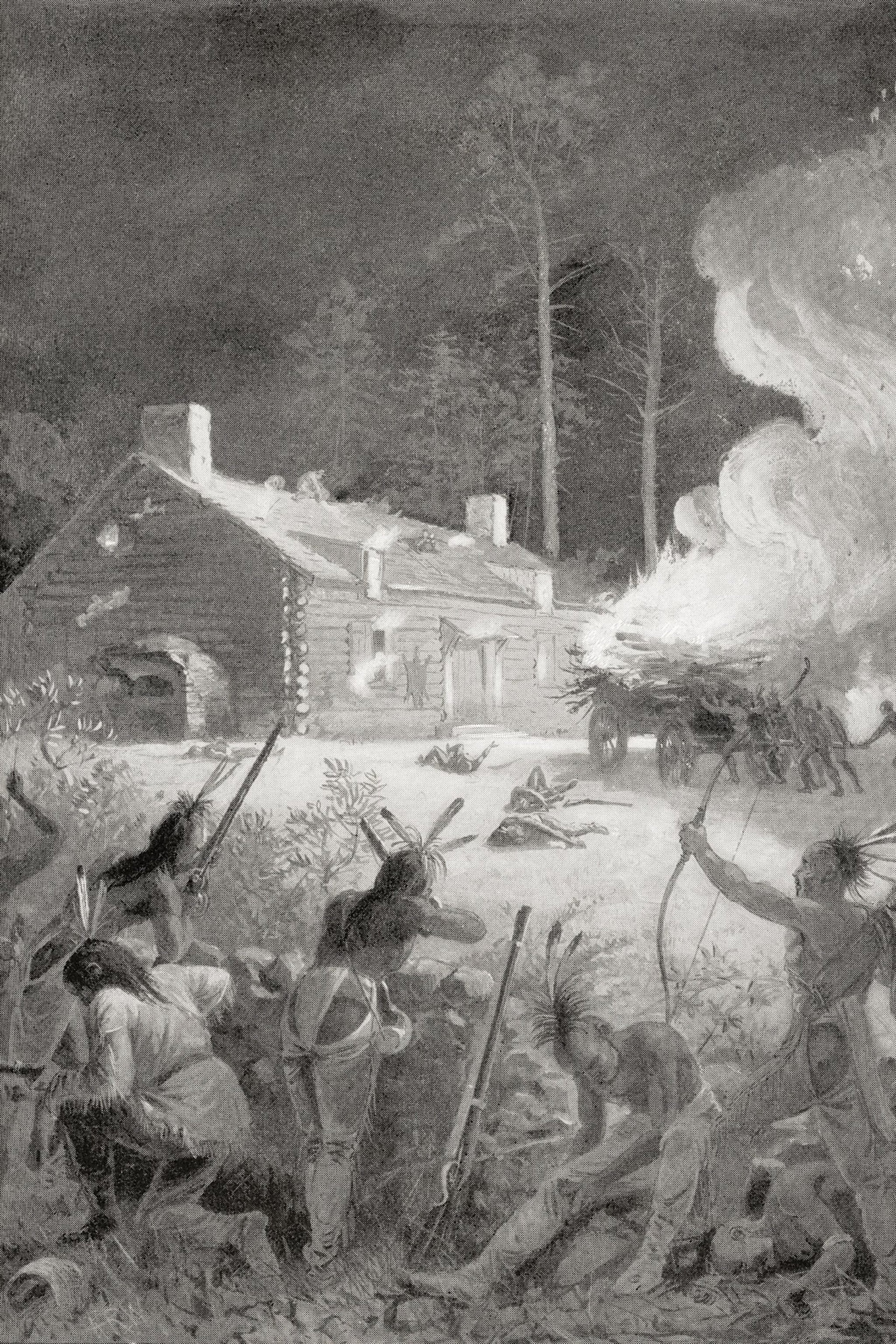
European-American indentured servants and African American slaves alike organized armed assemblies and demanded their own emancipation. Some sought to simply regain control over the command of their own capacity to labor, while others imagined spending their old age growing rich from accumulated land, wealth, and slaves. Together, the insurgent rabble of populists burnt down Jamestown.
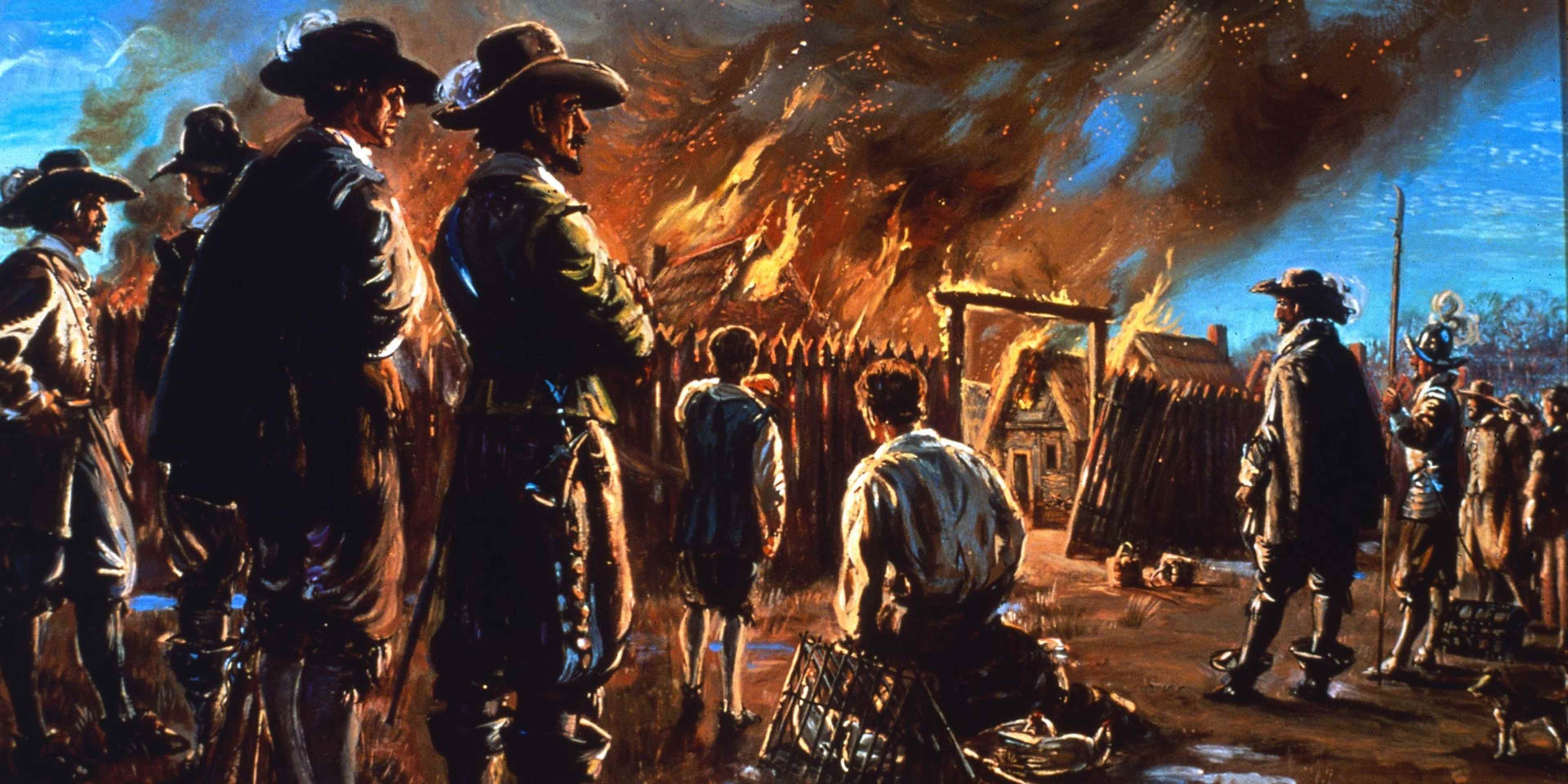
Burning Jamestown painting
The Colony rushed to put the rebellion of colonists down and regain control. They massacred the proletarian rebels, singling out the African Americans for special brutality. The government of Virginia came together to formulate new policies to keep control over the proletarian element in the society of settlers.
The administration of the Colony was placed under the watchful eye of the Crown. Governor William Berkeley was recalled to England, to be replaced by more symbolically neutral bureaucrats. Informants and counter-revolutionary collaborators were rewarded handsomely for their troubles. The Party of Order had crushed the Party of Anarchy.
The bureaucrats and capitalists sought to make new gains out of their bloody victory over multiracial proletarian populism. They combined the blood of martyrs and the force of law to create a Philosopher’s Stone of white supremacy, drawing forth the solid gold bonds of a multiclass racial alliance.
In exchange for the loyalty of the European-American poor to the government and to the plantation owners, the elite would grant a more free legal status to the European-American settlers.
This status was defined by exclusion from the policies that the Colony inflicted on free and enslaved African Americans alike—restriction of movement, restriction on conscience and speech, and freedom to pursue relationships across racial lines. White freedom, the opposite of Black enslavement, encompassed varying degrees of freedom of movement, freedom of conscience and speech, and freedom of association. It served to bind workers, their exploiters, and the settlers who sought to be neither by enclosing the homelands of others into a class collaborationist Chosen People’s Community—the white race.
Fragment II.A.b.ic. The First Great Awakening
The white compromise order of the settlers was built with its feet resting on the scarred backs of a slave society. This unequal and cannibalistic arrangement created the basis for its own profound inner antagonisms to bubble to the surface.
Disputes within the white race along class and political lines continued to become endemic as regular working people voiced their disagreement with the system of perpetual human sacrifice to Mammon.
The Christianity of the colonists became the framework for the critique of the Colonies. The theory found life in a mass movement amidst the revivalism of the First Great Awakening in the 1730s and 1740s. The revival circuits of preachers, lecturers, pamphleteers, singers, and salesmen became veritable hotbeds of subversive radicalism.
Revolutionary Huguenots, Anabaptists, and Anglicans began to hold that slavery was a violation of basic Christian ethics, popular sovereignty, and the friendship of all peoples. Many of them began to wonder whether it would be just for them to continue to pay into a system that prolonged the enslavement of others.
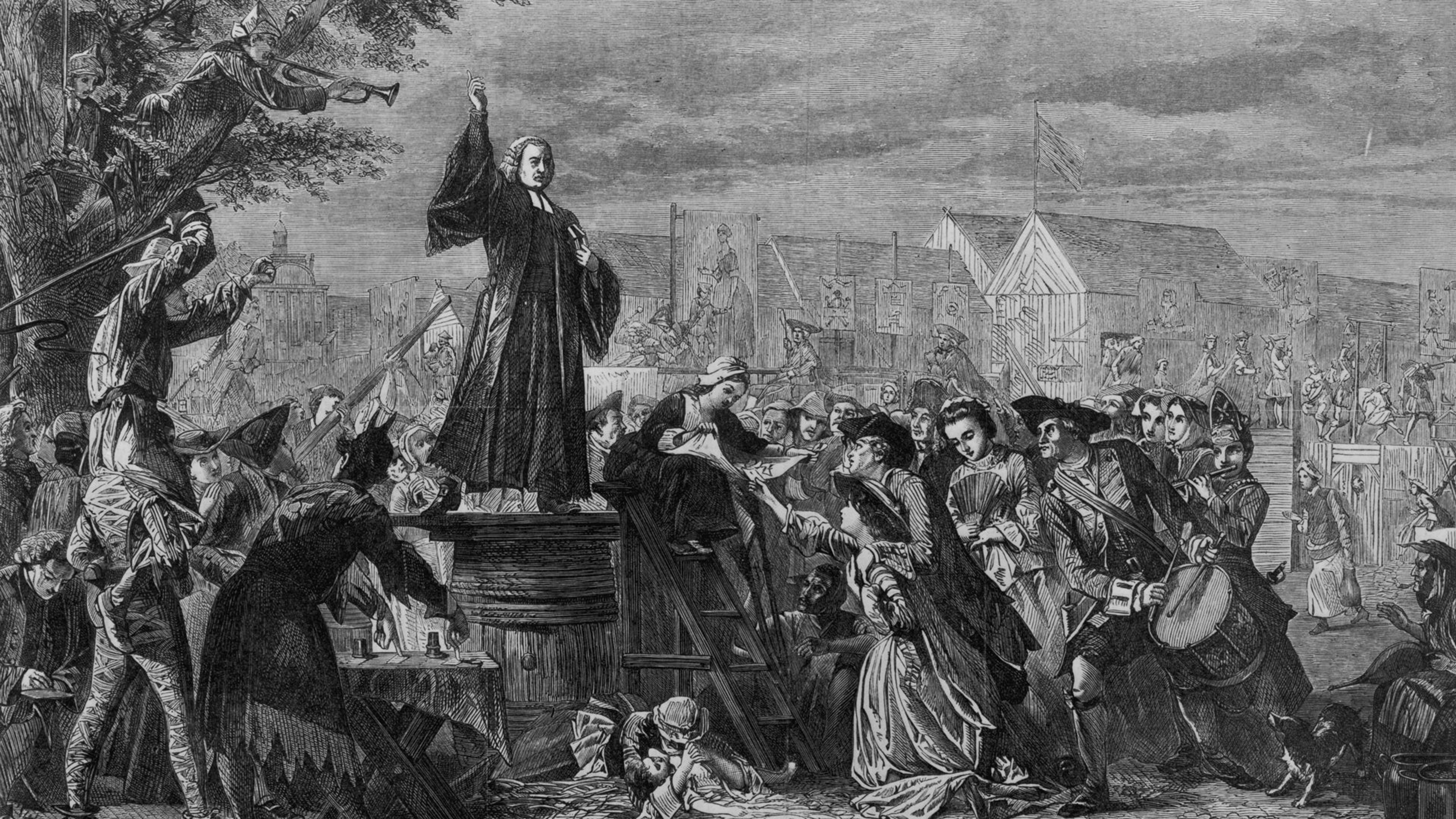
The First Great Awakening preaching
The Black colony within the Colonies began to boil over into its own fountain of constant revolts. Wherever enslaved people were the most concentrated, rebellions became the most common.
One example of the principle is offered by the case of South Carolina, which was then the concentrated center of the Gulf Coast slave trade in the English colonies. As Catholic enslaved people from the Kingdom of Kongo gathered together on the basis of their common faith, a prominent man among them—Jemmy—worked out a conspiracy for revolt.
The province broke out into this planned Stono Rebellion on September 9, 1739, when a crowd of slaves marched by the Stono River with a banner of liberty and made a break for the border with Spanish Florida, which had become known to many peoples as a refuge for runaways of all nations.
The local whites began to attack the marchers, beginning a war for their continued enslavement that ended by piling up body after body. The whites learned to superstitiously fear any sign of Black Power rising up and making common cause with white workers, Natives, or foreign powers.
Section II.A.c. The Revolutionary Wars
Fragment II.A.c.ia. The rights of Englishmen and Patriotism
The white race was divided deeply by the contradictions of different geopolitical projects in the second half of the 1700s.
The British Crown and its allies sought to run the North American colonies for the sake of expanding their tax base and profit margins.
The colonists believed that they were just as entitled to formulate policy that met their own rights and interests.
The Colonial authorities believed that the colonists were mere extensions of their own island. They held that the American colonists did not need to actually send their own delegations in Parliament to be represented by it.
A growing movement of everyday dissidents and subversive Patriots did not agree with this dogma of indirect representation.
The British colonial government began to escalate its measures against the protesting colonists to the point of absurdity under the bad King George III and his tyrannical Parliament.
What had begun as a dispute over tax-and-spend policy was sparked by the clashes between authorities, the Colonies, and the colonists into the flames of an American Revolution.
With this first outbreak of world revolution in the 1770s, the geopolitical balance of North America shifted once again.
A small movement of radicals, then little more than a few reading groups, began vying for an independent liberal and democratic republic.
Popular leaders like Thomas Paine appealed to the colonists’ common sense notions that society created things while the state merely appropriated them, and that a colony that is bigger than its mother country and thousands of miles away from it should not be held in absolute subjection to its laws.
Paine called for the rebirth of ancient Athenian democracy, writ large on the North American continent as an example for the entire world.
Paine argued that the English themselves once practiced democracy, popular sovereignty, mutually beneficial exchange, and individual freedom under the Anglo-Saxons. It was the Norman yoke, ancestor of the British monarchy, that had crushed this freely associating nation with the force of feudal oppression.
Paine’s Anglo-Saxonist democratic rhetoric inspired the imagination of those demanding “the rights of Englishmen.”
Popular assemblies like the Committees of Correspondence and the First Continental Congress began to organize mass protests and sustained resistance among the colonists against the power of corporations, bureaucrats, and Kings.
As they struggled, Paine praised the cause of America as becoming in a great measure the cause of all mankind.
Paine and the patriots agitated, educated, and organized. What came next to blast open the walls for mass Exodus was Propaganda of the Deed.
While destroying corporate property in full view of everyone in the harbor, the protestors of the December 1773 Boston Tea Party obscured their identity and signaled their independence from England by dressing as caricatures of Natives. The costumed men knew that anonymity is an unborn leveller and cynic—the authorities would only know that the masquerading men could be anyone around them.
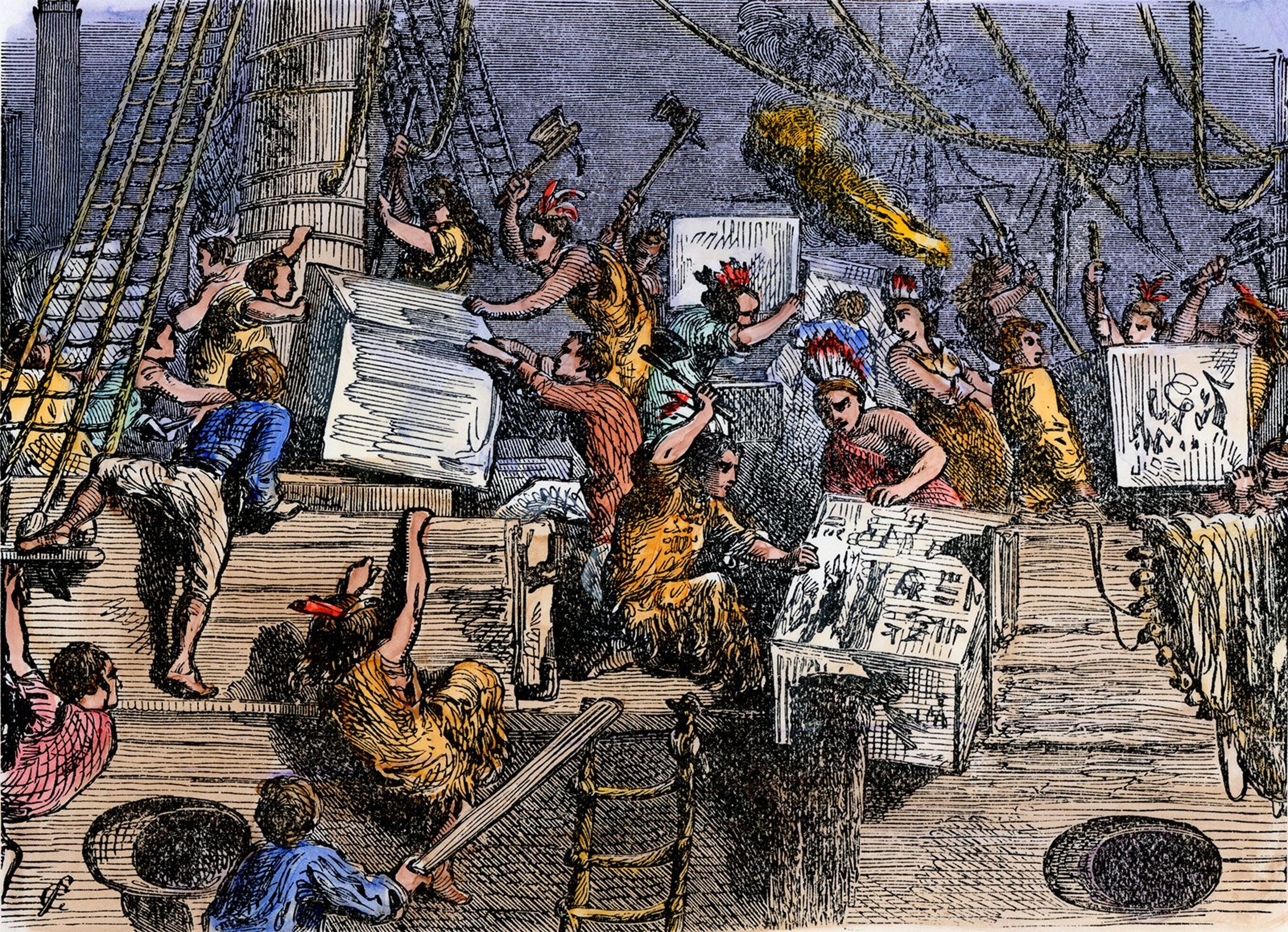
Boston Tea Party
Though radically republican and dynamically democratic, the Patriots did not necessarily fight for liberty and justice for all.
Leaders like Thomas Jefferson believed that Anglo-Saxons and other Romano-Germanic peoples were a master race destined to bring the entire world under the benevolent guidance of a universal Empire of Liberty.
Many Patriots sought to remove the British Empire’s fetters only to eliminate the diplomatic restrictions on the westward flow of settlers, seize more Native homelands for land speculation, grow rich in the trade in more enslaved Africans, and grow lazy as the landed white fathers of plantations.
Men of deeper conscience, like Benjamin Franklin, knew in their hearts and admitted with their discourse that all of these things were unjust. They nevertheless exploited enslaved people and held their own commercial stakes in flesh ventures.
Afraid of the ethical void that this opened before their minds, they quickly reassured themselves and others that their own actions were simply the inevitable results of the impersonal, divine, and rational laws of nature and history.
Self-interest, common sense, and reason inspired other reactions in different people.
After the Earl of Dunmore issued his 1775 Proclamation, declaring martial law and offering emancipation to any indentured servants and enslaved people who joined the Loyalist side, many people enlisted to fight for their own freedom on the side of the British Empire. This was the first working class revolt against the American government—waged before the U.S. had even been constituted!
Mohawk military leader and strategist Thayendanegea, who allied with the Loyalists against the Patriots, argued that he and his people only wished to exercise an equal independence to the settlers, and that they would only seek peace with the English-Americans if they learned to respect the homes and territory of the original peoples.
Fragment II.A.c.ib. The American Revolution and the War(s) for Independence
The colonists, now turned Americans, did not heed the Mohawk warrior’s advice. The Patriots issued the Declaration of Independence on July 4th, 1776. They refused to abide by the illusion of virtual representation in the sovereign British Empire’s overseas Parliament any longer. Incensed by taxation without representation and favoritist policies for British corporations at the expense of local settlers, the Patriots sought self-government for themselves.
Patriot militants took special offense at the alliance of the British with Natives and African Americans. They considered it a miscegenationist lunacy and a stinging betrayal against Anglo-Saxon ethnic solidarity. As laws and customs defined the new nation according to the political interests of a racial community, it began to take on a monstrous shape.
Many veterans of the Revolutionary War grew destitute as part of the left-behind classes of subsistence farming settlers and debt-burdened workers. Land speculators, predatory creditors, and flesh-dealing commercialists had already begun to establish themselves as the ruling class of the new republic under the Articles of Confederation.
In Massachusetts, the state government reinforced the power of these cash economy elites by collecting taxes in hard currency rather than in kind, in spite of the nationwide shortage of the currency. Infuriated by the naked class favoritism, debtors organized an armed revolt from 1786 to 1787 against the government, and their movement became associated with populist veteran and farmer Daniel Shays. The local government called on the federal government to crush the revolt, but the response was slow to come and poorly coordinated. The majority of the fighters in the Revolutionary War had been regular people, like the rebels, rather than a professional standing army. Though the rebellion was successfully crushed, it would only be a new Constitution that could organize an efficient and well-armed bureaucracy to protect the wealthy elite of the settler republic.
In 1787, delegates from all of the states of the republic met to draft a new Constitution. With the majority representing the commercialists and plantocracy, these delegates of the elite (the Epstein class of their day) sought to consolidate power in the hands of a few and centralize the government against the propertyless majority. Founders like James Madison proudly declared their bias against the poor and their desire to arrange the new Constitutional order as a means for systematically preventing and crushing any future populist revolts against the ruling class. While they could not extinguish the democratic victories of the poor whites, they would not extend these rights any further beyond the political sphere than the property rights of settlers.
States were left to decide the conditions of their own citizenship, and the majority began by requiring property or taxation qualifications to vote, restricting the franchise from the poorer classes—who had just proven themselves to be prone to rebellion against the elite in Shay’s Rebellion. In the most egregious power grab, the new order set up a class-biased bicameral system: a lower House of Representatives, with the amount of elected representatives selected by population, and a higher Senate, with an equal number of representatives selected from above by state legislatures to represent unequal state populations. The delegates provided disproportionate representation for the elite minority of white citizens in the south, the slave power, by way of the Three-Fifths Compromise, which counted enslaved people as three-fifths of a state’s population for the purposes of their share of representation and taxation.
Having begun as a rebellion against virtual representation and taxation without representation, the American Revolution ended by instating these principles as law. They would only be changed by new revolutions—the democratic-republican revolt of tenants against taxation without representation gave way to universal white male suffrage in 1831, the Civil War abolished chattel slavery in 1865 and elevated birthright citizenship into law in 1868, and the Progressive and working class revolt of the Gilded Age gave way to direct Senate elections in 1913 and universal suffrage for white women in 1920 and all citizens in 1924.
From the beginning, the American Revolutionaries had defined themselves as fighting for the rights of Englishmen. Paine and other Patriots radicalized this demand into a discourse of recovering Athenian and Anglo-Saxon liberty in a new age of democracy. When the delegates of the Constitutional Convention gave their approval to a pact with the slave power—the 1789 Constitution of the United States—Anglo-Saxon imperialism became the lingua franca of the new nation of colonies. Seeking to secure the Anglo-Saxon racial and civilizational character of the new democratic empire as it expanded into the spheres of influence of Native, French, and Spanish empires, the U.S. passed the 1790 Naturalization Act, fundamentally limiting citizenship to “free white persons.”
The democratic revolution of the United States unleashed a force of white nationalism and continental imperialism. All classes of white society, the big and the small, the adventuring and the land speculating, the landless and the enslavers, together spilled out into a tidal wave that seeped through the Appalachian Mountains and began to flood the Great Plains of the great North American continent. The newborn democratic republic grew from a regional bully into a continental imperialist power. Its interest in global geopolitics was for the sake of securing the conditions for its continued existence as an expansionist Empire.
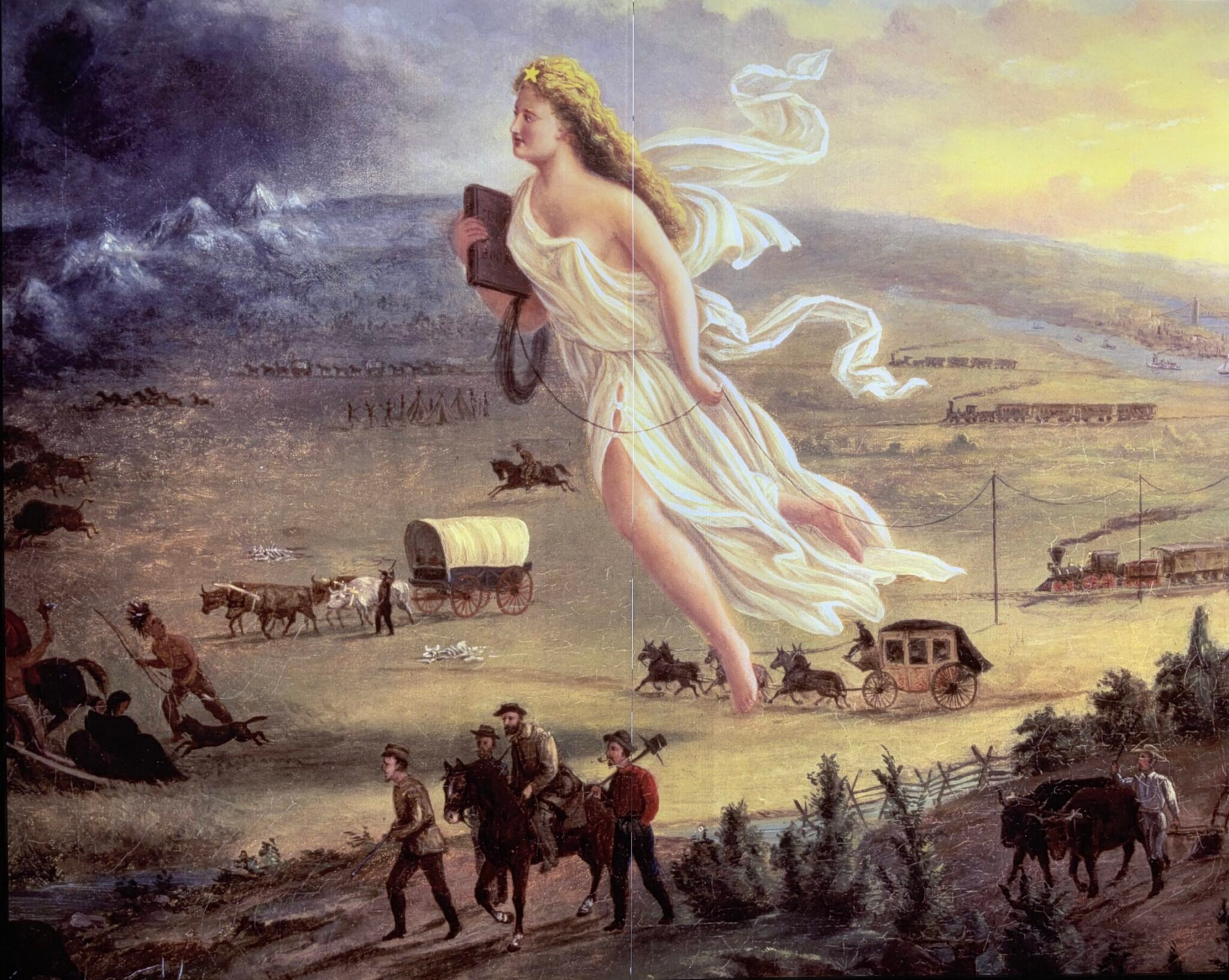
Manifest Destiny painting
The U.S. elected George Washington as its first President in 1789. Washington had led the Continental Army in the War of Independence and became Town Destroyer when he burnt down Iroquois houses, Loyalist and Patriot alike.
Washington took on the role of the Great White Father in all of the Middle Ground, previously performed by the British Empire. He accepted it only to then refuse to justify his authority to the indigenous peoples of the woodlands, the midwest, and the Gulf south with plentiful gifts.
Democratic-Republican Party President Thomas Jefferson, elected in 1800, forged diplomatic ties with the new French Republic, born in 1792. With its inversion into restorationist counterrevolution, the French Republic became an Empire focused on mobilizing the nation’s efforts in campaigns to expand throughout Europe, Africa, and Asia.
With military dictator Napoleon Bonaparte strapped for cash, Jefferson offered to buy up the title to gigantic swathes of France’s overseas territory for the cheap bargain price of $15 million in the 1803 Louisiana Purchase. He helped the Emperor sanction and blockade the democratic and republican revolution in Haiti, both bound together by a Romano-Germanic solidarity of Atlantic enslavers.
The U.S. could finally claim a continental presence. By 1823, Democratic-Republican President James Monroe began arguing for his Monroe Doctrine (now tweaked into the Donroe Doctrine) that the entire western hemisphere is the U.S.’s backyard. Monroe and his allies pouted and insisted that Europe did not deserve to take its own share while the settlers of the western hemisphere were carving up the Americas like a cake.
Indigenous peoples, the British Empire, and the French Empire all had to contend with the new candidate for Great White Father. White people began to predict that it was their Manifest Destiny to flood the entire continent, the entire hemisphere, or even the entire world as free soil for the free labor of their Chosen People’s Community.
Fragment II.A.c.ic. Tecumseh’s War and the War of 1812
The imperialist expansionism of the United States provoked a new experiment. It was the first cosmopolitan pan-indigenous republic in history, coming hot on the heels of Jean-Jacques Dessalines’s 1804 Haitian Declaration of Independence. Dessalines defended his exercise of revolutionary violence by arguing that the Haitian Revolution of slaves had birthed an independent republic of freedpeople and avenged América.
Shawnee military leader Tecumseh and his visionary brother, Tenskwatawa, began to reach out to other indigenous leaders in an attempt to organize an anti-imperialist alliance and form a new multi-tribal Native confederacy. They established their headquarters at Prophetstown, Indiana in 1808.
Tecumseh began rallying Natives of all tribes to this New Jerusalem, telling them that the Great Spirit had revealed the prophecy of a New World to his brother. Tenskwatawa, a Prophet who had friendly relations with Shakers, preached the return to pre-colonial traditions, the rejection of European cultural colonization, abstinence from alcohol, and the unity of all tribes against the white settlers.
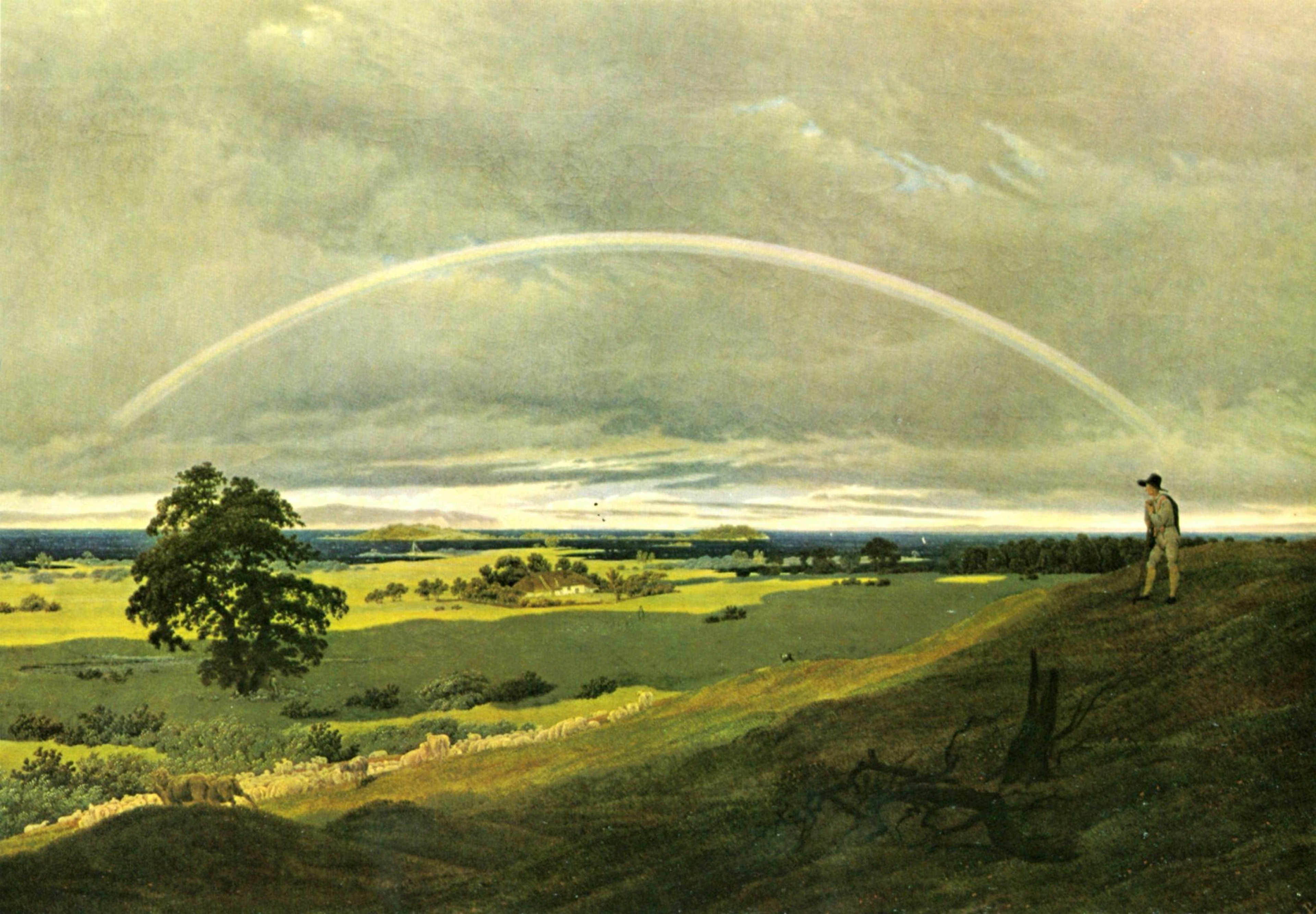
Caspar David Friedrich rainbow
The two brothers sought to build a national confederacy that would stretch from the Great Lakes to the Gulf of Mexico. They would live independently, even within the official borders of the United States itself. When Indiana Governor and future President William Henry Harrison met with Tecumseh for negotiations in 1810, the warrior explained that the settlers had entered a state of war with all Americans. The newcomers had selfishly taken the lands of others, tyrannically broken the peace, and shamelessly deprived people of their lives.
After making a powerful appeal for the United States to prevent war by satisfying the necessary conditions for peace, Tecumseh spoke some of the most radical lines in the history of American oratory:
“My forefathers were warriors. Their son is a warrior. From them I take only my existence. From my tribe I take nothing. I am the maker of my own fortune. Oh, could I but make the fortune of my red people as great as I conceive when I commune with the Great Spirit who rules the universe!
The voice within me communing with past ages tells me that once, and not so long ago, there were no white men on this continent. It then belonged to the red men, who were placed there by the Great Spirit to enjoy it, both they and their children.
Now our once happy people are miserable, driven back by the white men, who are never contented but always encroaching. The way, the only way, to check this evil is for the red men to unite in claiming a common and equal right in the land as it was at first, and should be yet, for it was the gift of the Great Spirit to us all, and therefore the few cannot cede it away forever. What! Sell a country! Why not sell the air, the clouds and the great sea, as well as the earth?
Backward have the Americans driven us from the sea, and on towards the setting sun are we being forced, nekatacushe katopolinto—like a galloping horse—but now we will yield no further, but here make our stand.
Brother, I wish you would take pity on the red people and do what I have requested. The Great Spirit has inspired me, and I speak nothing but the truth to you.”[2]
The warrior’s well-founded appeal fell on deaf ears. Harrison only noticed the critical tone, and not the content of the message. Enraged by Tecumseh’s display of radical independence, Harrison marched on Prophetstown before it could get off the ground. He dispersed the villagers and burned the city down in the November 1811 Battle of Tippecanoe, putting an end to the revivalist movement of the two brothers.
The War of 1812 then broke out between the U.S. and Britain over the control of the continent’s destiny. Thousands of enslaved Black people once again fled into British lines and took up guns in the British Army against the Americans in exchange for their freedom. The brothers took their chances with the British as well in order to organize an active political and military challenge to the white settlers.
The United States faced a series of humiliating defeats at the beginning of the War of 1812. The British conducted scorched earth campaigns against the colonists. The British Army persisted in their combination of pitched battles and scorched earth, designed to take advantage of their superior numbers compared to the small, poorly trained, and amateur Continental Army. On August 24, 1814, the forces of the British and their alliance even managed to burn down the White House.
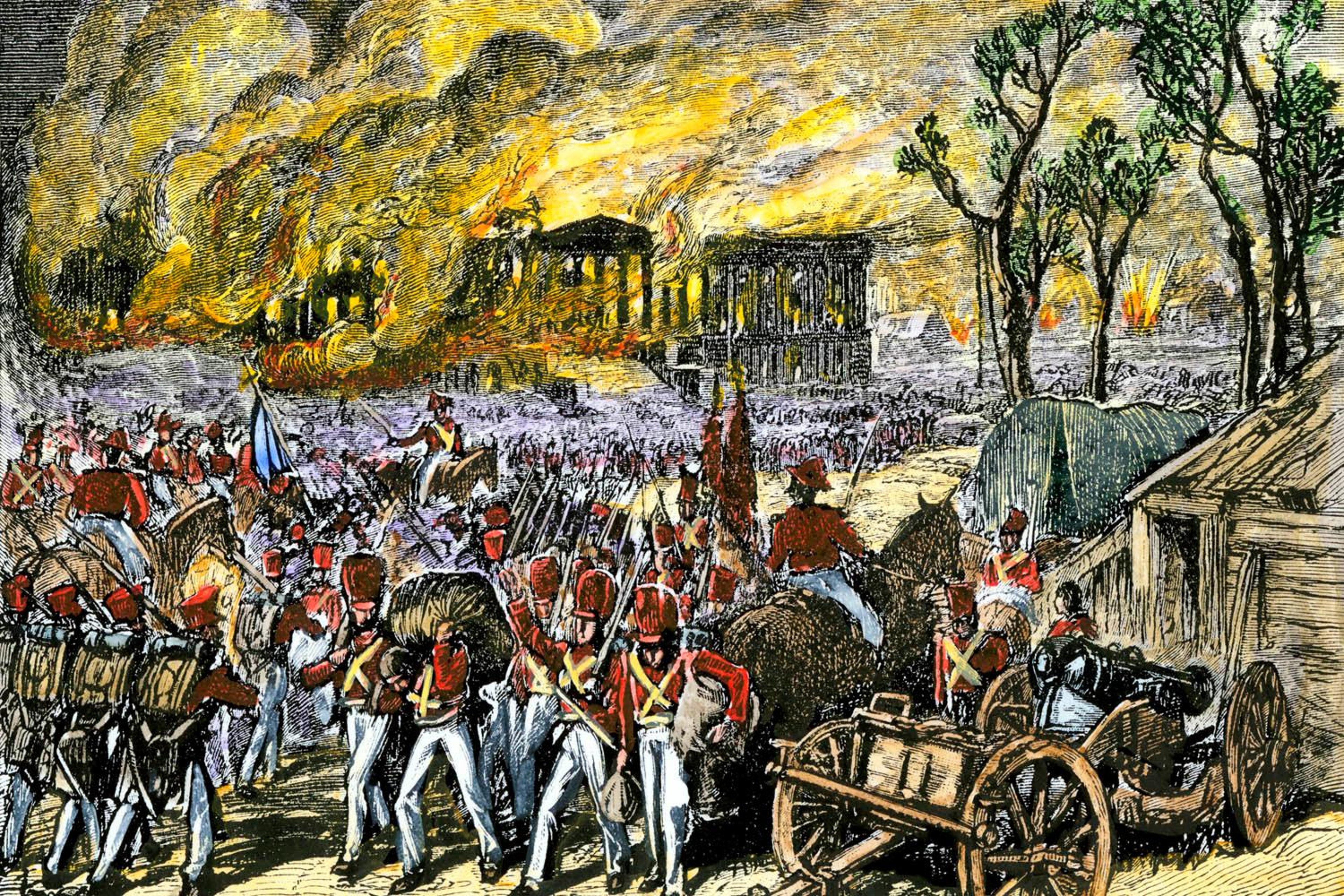
White House burning War of 1812
The settlers decided to direct their frustration towards someone they could more easily bully. They managed to capture, lynch, and mutilate Tecumseh after the Battle of the Thames on October 5, 1813. They drove Tenskwatawa into exile in Canada. The settlers wanted the war to be the private concern of hostile brothers.
The British and the Americans only approached each other at the negotiating table of Ghent once each believed that they could extract geopolitical, mercantile, and financial concessions from the other.
The British were focused on keeping their peace with Russia and Prussia so that they could construct a new European geopolitical system at the Congress of Vienna, designed to prevent future revolutionary wars. Their leaders sought to keep taxes down and trade open to prevent another “rights of Englishmen” revolt on British soil.
The Americans were focused on preventing the formation of any northeastern or midwestern buffer zone to their expansion. Their leaders demanded that fugitive runaway slaves be turned over, or for the British to at least pay the enslavers for damages.
They both satisfied many of their demands in the 1815 Treaty of Ghent, but neither considered that the end of the matter. The two empires continued to compete for control over the western hemisphere, one for the liberty of enslavers and the other for the bureaucratic suppression of the slave trade.
Section II.A.d. The Empire of Liberty
Fragment II.A.d.ia. Christian radicalism in America
Some of the earliest European settlers in the British colonies of North America were Protestant dissidents seeking the freedom to read their Holy Book for themselves, assemble their own churches, govern their own relationships, and design their own social associations.
They taught that all knew divine righteousness within their own inner light itself. The Kingdom of God is within you, and in your midst.
William Penn was a Quaker intellectual and the founder of the Province of Pennsylvania. He was one of the very earliest figures to advocate for the unification of all Colonies into a democratic nation. He wrote to German Anabaptists to convince them to come to America and assist their Quaker brethren in founding a society of friends. Penn believed that universal cooperation in work and wealth could birth a new world. He called on his supporters to return to the principles of the first Christian communities, described in the Book of Acts.
The Shakers, an Anabaptist revival movement that held all of their goods in common, forged kinship by love rather than blood, lived and worked cooperatively, and organized pioneering experiments in pacifism, multiracial friendship, the emancipation of women, and the abolition of chattel slavery. They invited all into the circle of love.
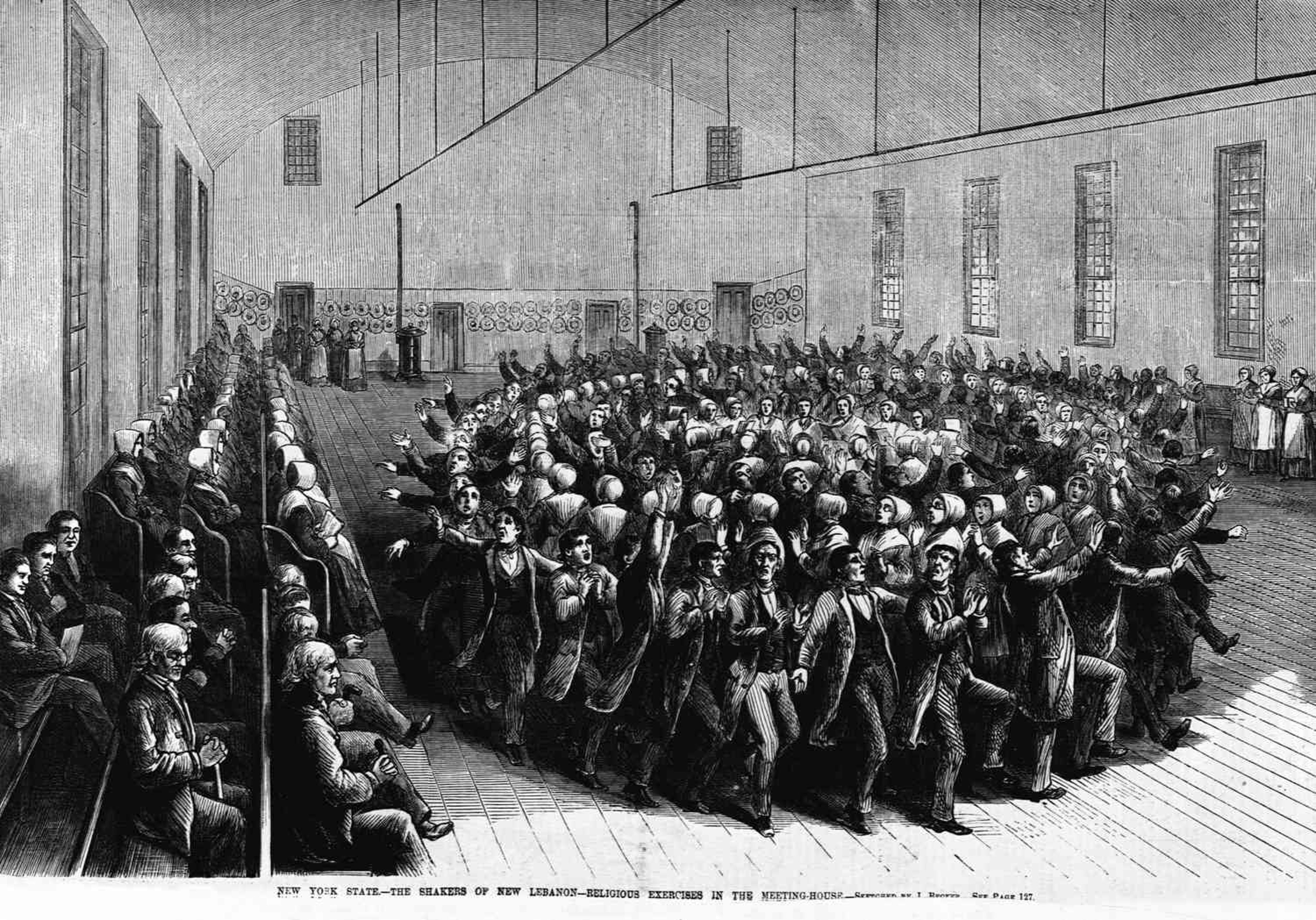
Shakers circle dancing
The ethical life of these Christians offers a powerful contrast to the white nationalism of the Naturalization Act of 1790, the all-seeing-eye police state of the Alien and Sedition Acts of 1798, and the fratricidal acquisitiveness of the Indian Removal Act of 1830. The nation born in 1776 was falling right back into the bad old European world of narrow-minded hierarchy, superstitious paranoia, and the war of all against all.
Only a beloved community could resist this growing civilization of death.
Fragment II.A.d.ib. The Era of Good Feelings
From 1801 to 1809, President Thomas Jefferson set the expectations of a mass of Democratic-Republicans that all white men would live in a democracy of yeomen working their own free soil in a republic of free labor. President Andrew Jackson sustained the vision into the 1820s, fusing Baconist populism with the Bonapartism of the Imperial Executive.
As a growing tide of people flooded over the Atlantic and the Appalachians, they began to realize that reality bore little resemblance to this vision. The newly colonized land, bought up by land speculators and paid for by bloody ethnic cleansing of the Natives, had already been carved up among the manors of a few patroons.
When the Jeffersonian-Jacksonians had successfully abolished the titled nobility’s endless inheritance of familial estates, that bourgeoisified feudal practice of merry old England, they had only created the conditions for the emergence of a new landowning class forged together by the much stronger impersonal bonds of money, tenures, and leases. This new class of landlords was secured under the loving protection of bureaucrats and banks, who saw in the landlords’ cradle (their manors) all of their own hopes of their future commercial wealth.
This hope may have been appropriate for a new republic that seemed to be on the up and up. The years from 1776 to 1812 may have tried men’s souls, but they always passed by with hopes that the future could be better. As the republic began to grow older, it grew more cynical. The elites grabbed more money and power for themselves, figuring that it would ultimately be for the good of the Revolution as long as they kept paying their taxes and putting their money into the sprawling network of banks that were the rule for the nation’s financial system.
In the early republic, some people even had the stomach for market populism. During President Andrew Jackson’s Bank War of 1829-1837, a gaggle of elites, their hirelings, and visionary utopians (even communist followers of Charles Fourier!) had helped defeat the rise of a central bank. Jacksonism was Baconism for the nineteenth century. They thought that the Second Bank of the United States existed in violation of the 1789 Constitution, that it had failed to actually stabilize the dollar, and that the consolidation of wealth was dangerous to liberty. The ultimate outcome of their effort was to strengthen the slave power into a continental plantocracy over the entire United States.
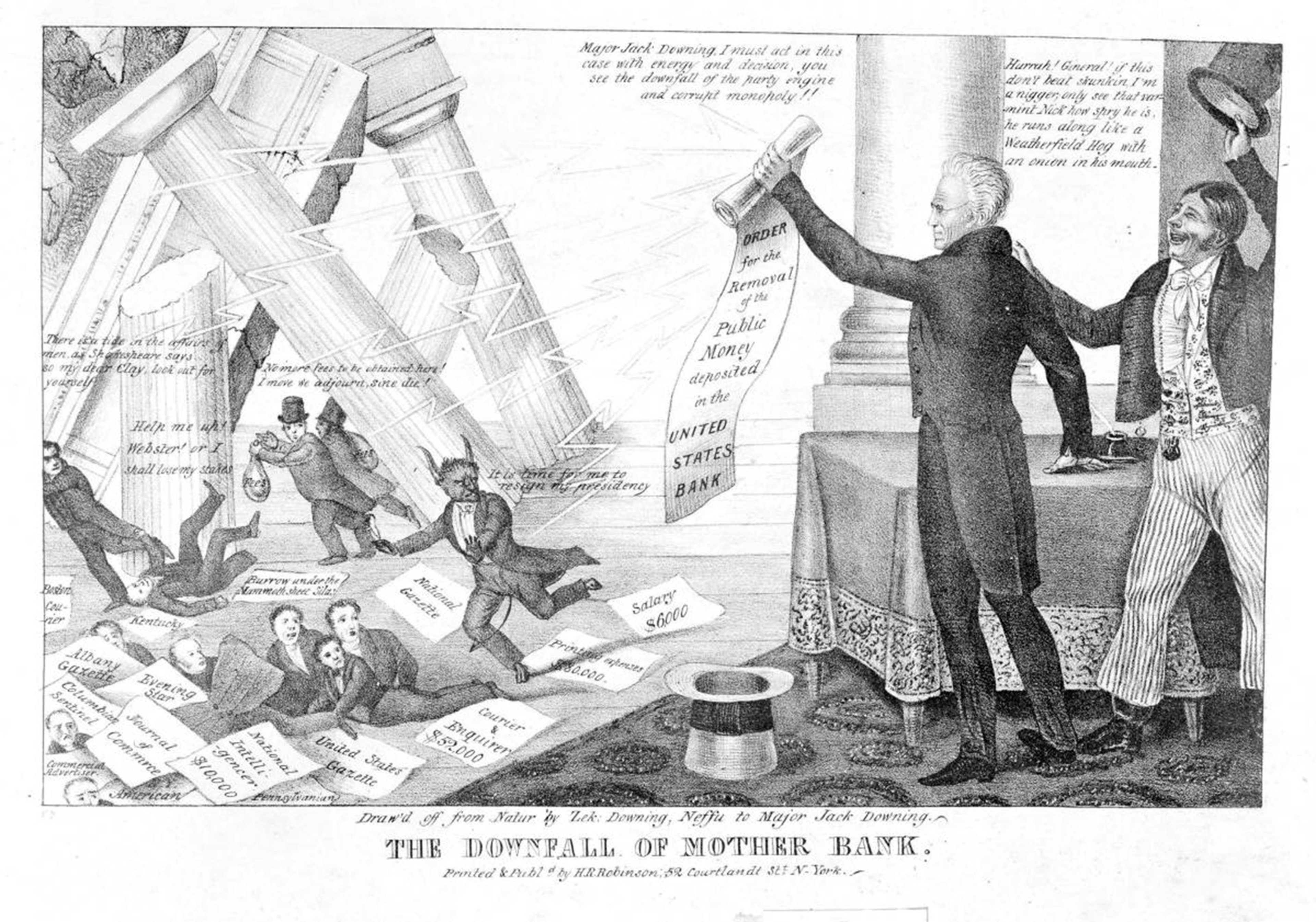
Andrew Jackson bank war
The absence of a regulated banking system allowed bankers to run wild with the money, IOUs, and land titles flowing into their system. Expecting westward expansion to never hit the limits of British Proclamations again, bankers extended loans to practically anyone and everyone who said that they had a plan for carving up some more land. The commodities boom needed for a lucrative foreign trade seemed to be permanently assured by the cotton secured through the brutalities of the plantation slave society in the south. The governments of Europe were finally opening up to a freer trade with an expanding market of American goods. If you were a white guy, life was peachy. Or so it seemed.
Fragment II.A.d.ic. The last shall be the first, and the first shall be the last
In 1831, a crack appeared in this dream. A fire began to blaze on a plantation in Southampton, Virginia. The enslaved forcefully demonstrated to the country that it could not keep living on their backs and at their expense.
Nat Turner, an enslaved proletarian of the plantation, began to experience visions in which God revealed a plan for the emancipation of his people. Turner and his wife, Cherry, began to gather other enslaved people together to spread the good news. The couple and their comrades conspired to plan out a revolution. They would covertly agitate to other enslaved people in the songs that they sang while working, which the planters took as a sign that they were “happy” right where they wanted them. They would secretly acquire supplies and arms. Finally, when God gave the signal, they would begin the revolt. They would execute their enslaver and his family while they slept. Then they would announce to the plantation that they had been freed of the parasites. They would then move through the rest of Virginia, spreading fear and trembling through the enslaving society. They would kill any whites they came across, planter or not. They were all to be considered the functionaries of the plantation system. Only women, children, pacifists, and the very poorest among the whites were to be spared. The rebels would grow into a liberating army for the enslaved of the entire country.
On August 21, 1831, the plan came to fruition much as described. As they began to leave Southampton County, Turner began to lead his army towards Jerusalem, the county seat, in order to acquire more weapons. The local militia mobilized against them. Soon, more local militias, the state militia, and the army joined the fighting. It took twice the manpower and many times the equipment of the rebels to crush them.
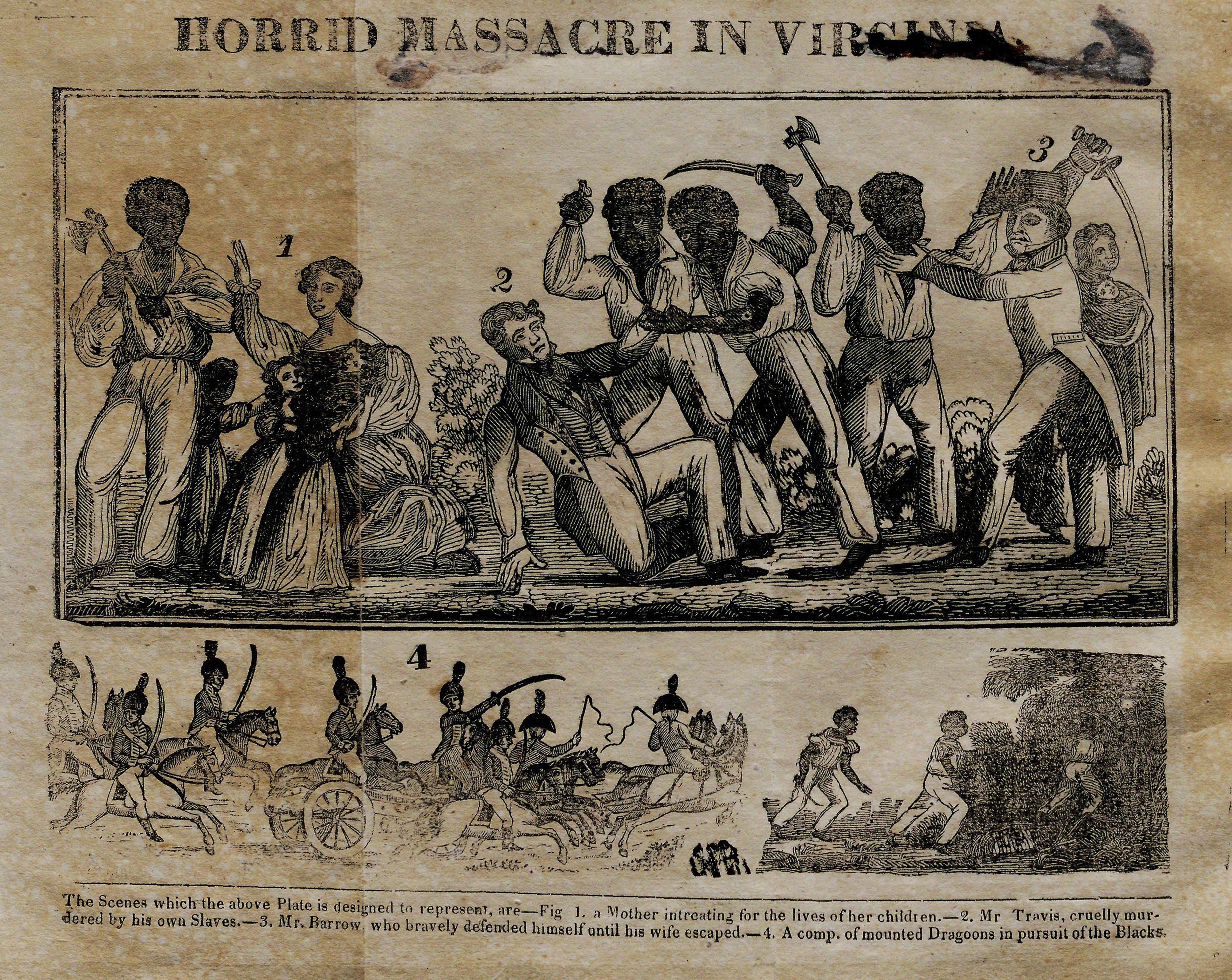
Nat Turner's Rebellion
The whites of Virginia retaliated by forming lynch mobs and decapitating Black people en masse. The reign of White Terror spread throughout the south. The authorities let the white mob get the brutality out of its system while they searched for Turner. After all, couldn’t the criminal terrorist be anywhere? Turner was in hiding, being fed by sympathetic enslaved people. A farmer finally discovered his hiding place at the end of October. Turner’s trial was ceremonial. Its outcome had been decided long before he was captured. Turner was to be a sacrificial lamb, his blood spilled to sate the white mob. He told his attorney that the prophecy given to him by God was of an approaching time when the last shall be the first, and the first shall be the last. His attorney asked if he could have imagined it. Turner simply responded: “Was Christ not crucified?”
The white People’s Community had been shaken up. The slave society of the south grew anxious and terrified of another slave revolt. The anti-literacy laws of the previous century had failed to prevent Christians like Turner from converting the Good Word into a weapon against the law-bound Pharisees and law-and-order Romans. They began to censor any preaching delivered within earshot of the enslaved. They enforced the isolation of the Black colony and the white workers with even greater stringency, encouraging the poor whites to inflict all of the violence of their frustrations on Black bodies. But the hunger and rage that grows in the bellies of the poor cannot be kept under the absolute control of anyone or anything.
Fragment II.A.d.id. No rent without representation
Whenever liberals become revolutionaries, they come into conflict with the oldest, and the most absurd form of private property—the ownership of land.
No human being created it, and yet a few humans claim its use as their own exclusive right.
Everyone lives by the land, and yet only the needs of exploitation are supposed to count.
Those who must rent from the lords of the land are subjected to the arbitrary whims of their tyranny.
The landlords extract rent from the wealth of any productive operations within their reach, simply because they were the first who happened to steal the land, buy it from the one who stole it, or buy it from someone down a chain of transactions from the original theft.
If they could have it their way, beyond any limits imposed by the law, the landlords would reduce everyone on their land into a slave or a serf.
The liberal struggle for free labor, free association, and popular sovereignty comes into conflict with landlords whenever its principles are consistently applied. Adam Smith, the theoretical father of free market liberalism, knew this very well. He opposed landlords as an enemy of liberalism.
In our very own republic, a movement of regular liberals began to come into conflict with the monopoly power of landlords.
In the Panic of 1837, the bubble of the Era of Good Feelings finally burst. The national economy crashed. World trade nearly slowed to a halt. The growing disappointment of settler hopes threatened to convert into revolutionary fury. In upstate New York, where the land was especially concentrated under the hands of a few lords, a full-scale tenants’ revolt erupted from 1839 to 1845. They declared their independence from the manor system, refusing to give up the products of their labor or their money to the idlers. The anti-renters began to refuse to pay taxes to a government that represented lords rather than the people. They took up arms to resist eviction. Just like the Boston Tea Party, they disguised their identities by dressing up as “Calico Indians.”
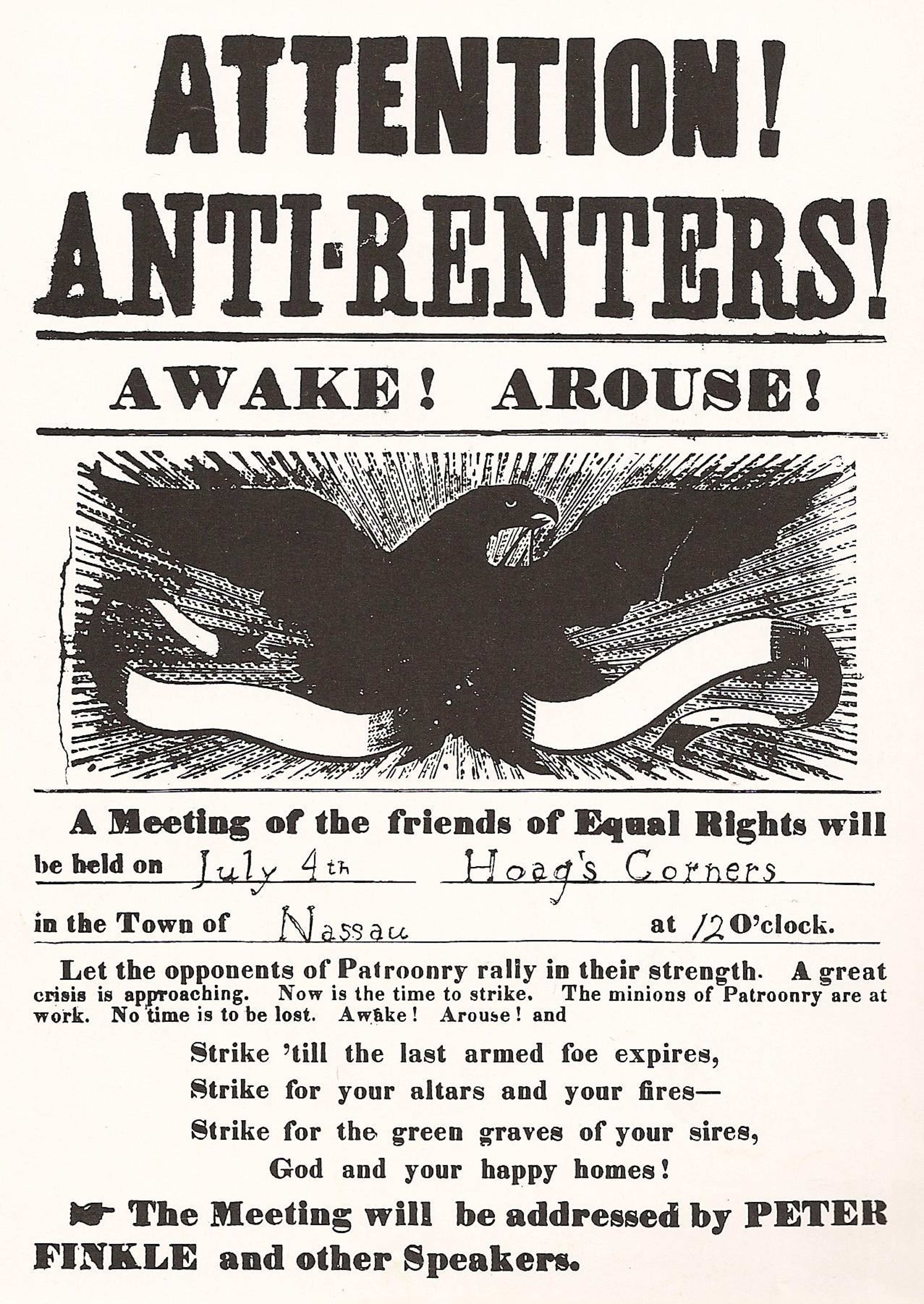
Anti-rent war
From the authorities, the anti-renters faced injury, arrest, imprisonment, and execution. They continued to persist in a combination of illegal insurrection and legal opposition. They formed the statewide Antirenter Party. They found a sympathetic ally just south of New York in the Working Men’s Party of Philadelphia, Pennsylvania. Founded in 1828, the latter was arguably the very first workers’ political party in the world.
The anti-renters began to achieve victories in the 1840s. They faced opposition and repression, but they persisted in illegal and legal efforts alike. Their demands took on the force of law. The creation of the New York Constitution of 1846 set aside provisions to protect tenants from landlords, abolished the feudal tenure system, and made it illegal for leases to last longer than 12 years. The manor system defeated, patroons began to sell off their land. Land speculating banks bought up much of the freed up land.
In the 1840s and 1850s, the workers’ struggle against the power of the landed monopolists began to expand into a struggle against political monopoly. Most localities, territories, and states restricted their franchise according to property requirements and moneyed contribution to taxes. Even the propertyless and poor white men had to fight long and hard for their franchise, from the Jacksonian Era of the 1820s to the achievement of the final state-level victory of South Carolina in 1859.
The dissidents within and against liberalism had managed to defeat the enemies that stood right in front of them. They had fought against the laws that had been written to restrict and restrain their own power. Would they learn to fight the entangled gang of enemies that was hidden from them by distance, walls, and silent secrecy? They could only do so if they learned to want more for themselves and for others.
Fragment II.A.d.ie. Christians against Empire
In the first decades of the nineteenth century, a wandering, multiracial, and profoundly spiritual Christian revivalism began to threaten all the established boundaries of the white republic.
Many of these woke Christians advocated for women’s emancipation from familial bondage and suffrage to vote for their own interest. They did so a century before both were elevated into Federal law with the Nineteenth Amendment of 1920.
Anabaptists crossed the boundaries of culture, race, and gender. The Shaker movement grew out of the Anabaptist milieu in England. In the 1750s, Mother Ann Lee, a working class revivalist, began to preach a radical Gospel of gender equality, community, pacifism, and abstinence. She believed that the sexual inequality of Adam and Eve was a mark of their fallenness. She hailed the Second Coming of Jesus Christ in the form of a woman.
After a revelation in 1774, Lee moved to America to spread the Shaker Church. Lee faced overwhelming resistance and even violence from prejudiced Anglo-Americans, who looked on her Gospel as a kind of godless Communism. Lee and the Shakers simply carried on in hopping across all borders.
Shaker freewomen, like Rebecca Cox Jackson, leapt far ahead of their time by leading prayers to God the genderfluid Mother-Father.
This Shaker deity resonated with some of the African traditions that African-Americans carried in their hearts and memories to America. Dahomey people seek the favor of the goddess of fate Gbadu, a deity with a dual-gendered aspect, and the Igbo hail the Supreme Creator of all as Chukwu, a spirit whose powers contain the elements of masculinity and femininity alike.
Jackson gave accounts of her visions to all who would listen and resisted the prejudice that confronted her even with the faces of her Shaker friends. She preached all over the country at revival circuits.
Were these devout Christians just woke moralists?
Was Jackson’s struggle to live as an independent Black woman in loving communion with others a sin?
Many of the abolitionist Christians who lived in the adolescent years of the American Republic of 1776 advocated tax resistance as a means to live in accordance with Christian love by refusing to fund bloodshed.
They believed that any compromise with slavery was a compromise with Hell, whether it be the special protections that the 1789 Constitution granted to the representation of enslavers or the laws that dictated that every free person was bound to assist in the arrest of fugitive slaves or be charged as accomplices.
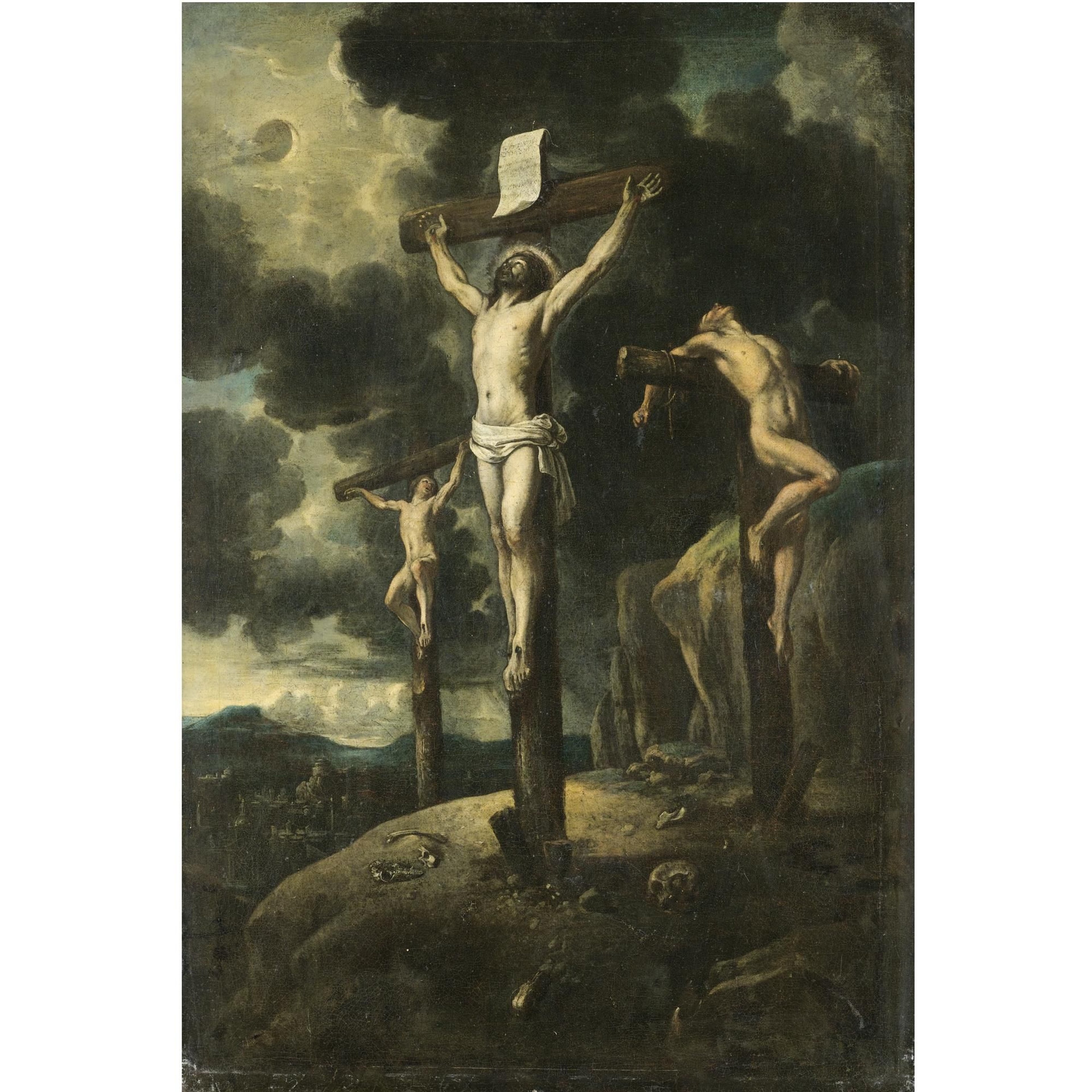
El Greco crucifixion
When the United States launched the first Anglo-Saxon race war against Latin Americans in the War against Mexico of 1846-1848, radical Christians like William Lloyd Garrison and born again freedpeople like Frederick Douglass were the first to decry the slaughter.
They considered the imperialist War to be an affront in the eyes of God, a crime against humanity, even a second crucifixion of Jesus Christ.
Were they “a mortal threat to American liberty” for denouncing the sort of imperialist slaughter that the Roman oppressors subjected the ancient Christian communities to?
The War might make you think of the brutality that Israel, our greatest ally, now revels in. Does feeling that tyranny, conquest, and genocide are wrong mark you off as a prejudiced fanatic?
Can’t you see that the very Bible itself would have to be outlawed as Marxist propaganda if we were to tear communism up by its American roots?
Were these loving Christians and abolitionists “enemies of July 4th, 1776,” as Trump said of communists? For any of you to say so would be to criticize a group of American settlers and become part of the force “telling our children lies about our heritage,” one of those “who tell our children that we live on stolen land or that our heroes were oppressors,” as our Great White Father President said in his speech at Mount Rushmore.
I’m not sure even the Supreme Court could figure out which of these violations of the law would be weighted with the more pertinent infraction.
Maybe King Trump could offer his own personal ruling on the matter?
Fragment II.A.d.if. The Second Great Awakening
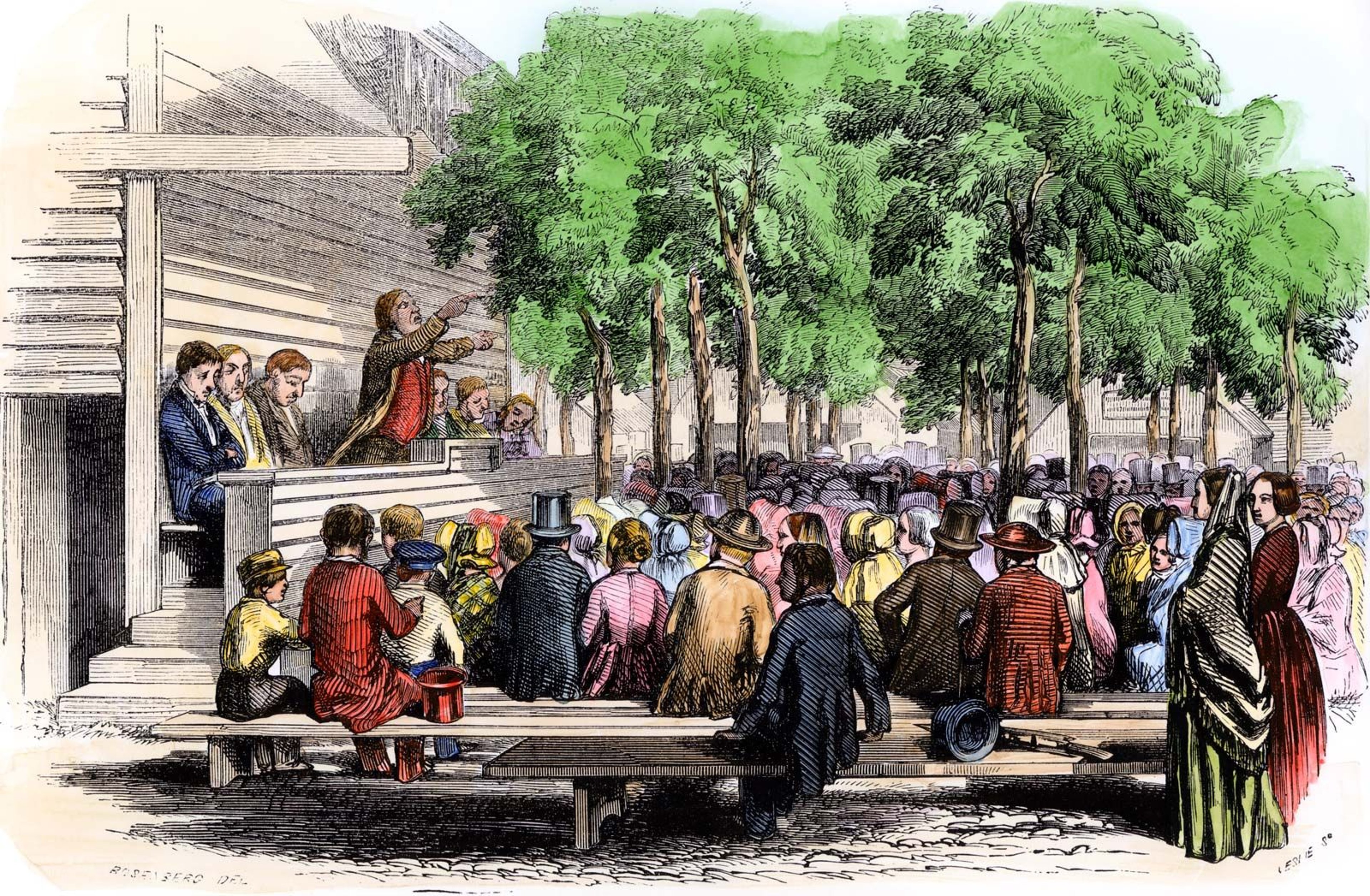
Great Awakening Methodist preaching
Going beyond the earliest years of American history does not help us figure out the oh-so-patriotic contradiction in our continental history of radical change and decisive struggle.
The Irish Famine of the 1840s and the Gold Rush of 1848 may have initiated another era of Great Migrations and imperialist entrepreneurship, but it also threw everything into disarray. The new hopes were disappointed by the reappearance of the bad old world wherever the settlers turned. More of the world was concentrated in the hands of a few bureaucrats and bankers.
The immigrant newcomers turned to revolution to restore their hopes. They founded their own communities in the neighborhoods that they were segregated into and fought for their rights in urban riots. Many of my Irish-American ancestors would have been part of this fighting throng.
The limit of their solidarity was only their weakness and prejudice.
Believing that Chinese could only be a rabble of competitors rather than a beloved community of neighbors, European immigrants opposed their entrance into the country.
In 1841, Daniel O’Connell, Irish Republican hero and friend of Frederick Douglass called on Irish-Americans to forge bonds of friendship with African Americans and fight for the abolition of the slave power. The wannabe whites shot back with rage, insisting that Black people could never be equal to whites.
The majority of Irish-Americans were committed to becoming white equals of Anglo-Americans more than they were to abolishing the Anglo supremacy of the Chosen People’s Community.
Some Irish-Americans took O’Connell’s lesson to heart when the course of events confronted them with a dilemma. Anglo-America and its slave power President James K. Polk entered its 1846-1848 Conquering Crusade against a fellow Catholic people—Mexico.
John Patrick O’Riley, an Irish veteran of the British Army, led fellow Catholic Americans in defecting from their posts in the conquering U.S. and joining the side of the Mexican Army. Along with runaway enslaved people and freedpeople who refused to fight and die for the slave power, they formed the Saint Patrick’s Battalion, fled into the sierras, and became Christian guerrilla warriors against imperialism. Many of the seditionists, including O’Riley were captured and tortured by branding.
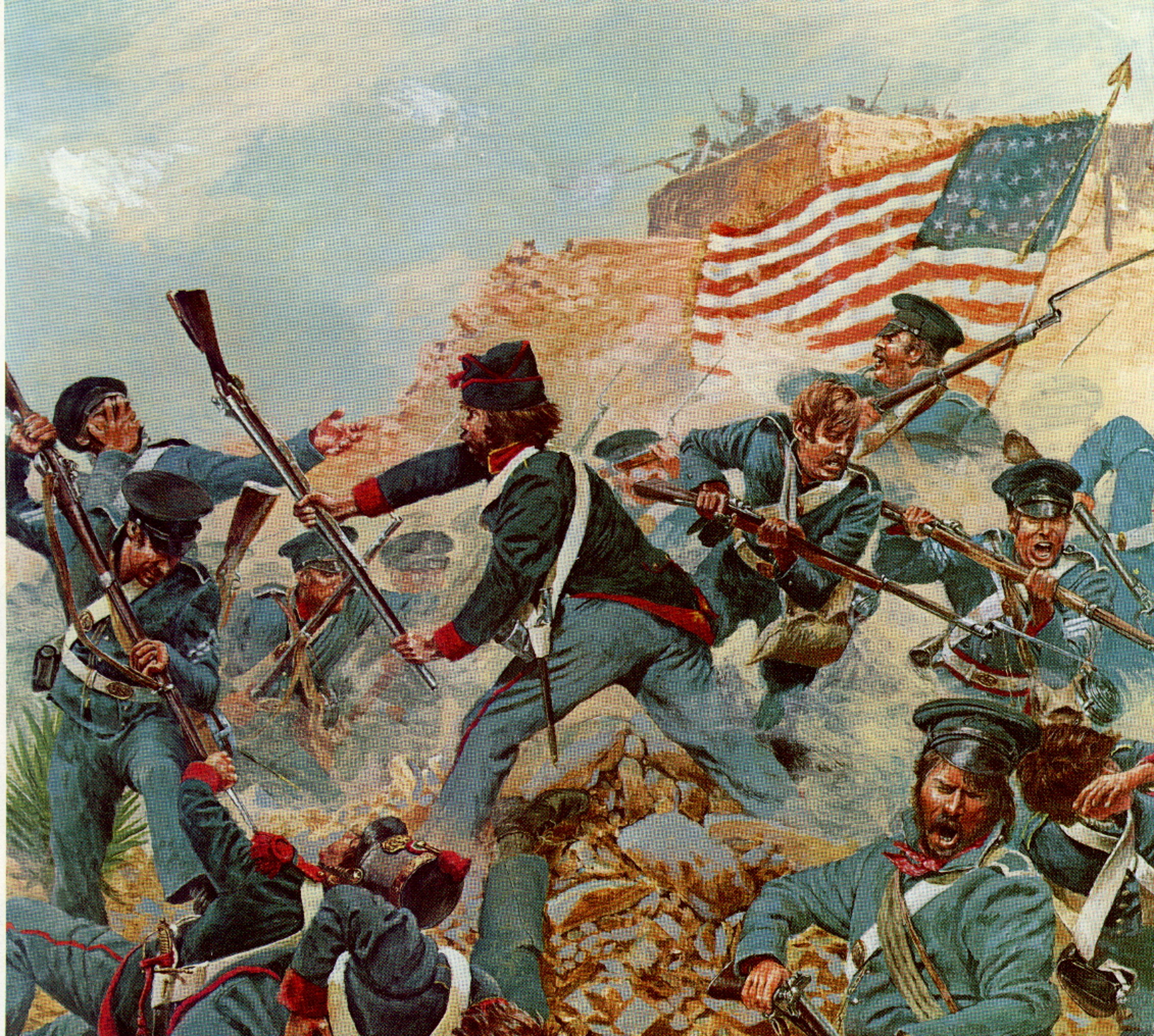
Legally speaking, I probably shouldn’t tell you whether I would take the same course of action as this Irish American if this country went to war with Mexico, one of my motherlands. If I lived by “my country, right or wrong,” I couldn’t tell you which country that phrase might mean for me.
The poor semi-whites were not ambitious or brave enough to demand equality for all. It was up to other immigrants and born Americans to fight for O’Connell’s cause.
With each new imperialist land adventure or renewal of the energy in American society, Christianity, freedom, and democracy seem to become more closely bound up with the extremities of American history and the history of American extremism.
The abolitionist movement offers one such example. The movement began to spread throughout the country in the 1840s through the great migration of peoples seeking Free Soil and Free Labor. Abolitionists grew from the movement against the expansion of the slave power into new territories.
They soon became a movement of movements that all the great movements of the nineteenth century grew from.
Working class Black women like Maria Stewart and Sojourner Truth drew from their own experiences as freedwomen to advocate for the freedom of all.
Abolitionists, individualists, and naturalists like Henry David Thoreau advocated for the freedom of all things—the indigenous, the racially oppressed, the animals, the trees, even nature itself.
Middle class white women like Angelina and Sarah Grimke organized the 1848 Seneca Falls Convention to unite abolitionists and feminists. While white men heckled them, they could count on the support of freedman Frederick Douglass—a committed feminist.
Immediateist abolitionists of all races considered slavery to be an abomination before any lawful democracy.
Immediateists like Sojourner Truth, David Walker, Henry Highland Garnet, William Lloyd Garrison, Frederick Douglass, Harriet Tubman, and John Brown advocated openly for the revolt of the enslaved and their allies against the tyrannical enslavers and their unjust laws.
The Immediateists organized the Underground Railroad to actively assist the flight of enslaved people from their oppressors. They brought them to the anti-slavery cities of the North.
Revolutionary abolitionism drew on some of the deepest currents of the American Revolution. The immediateists held that if the principle of “no taxation without representation” were consistently applied, it would make it the duty of all people to refuse and resist the power of a government that helps hold a people under slavery.
Don’t they sound like people that President Trump might describe as part of “the radical left, the Marxists, the anarchists, the agitators, the looters, and people who, in many instances, have absolutely no clue what they are doing.”[5]
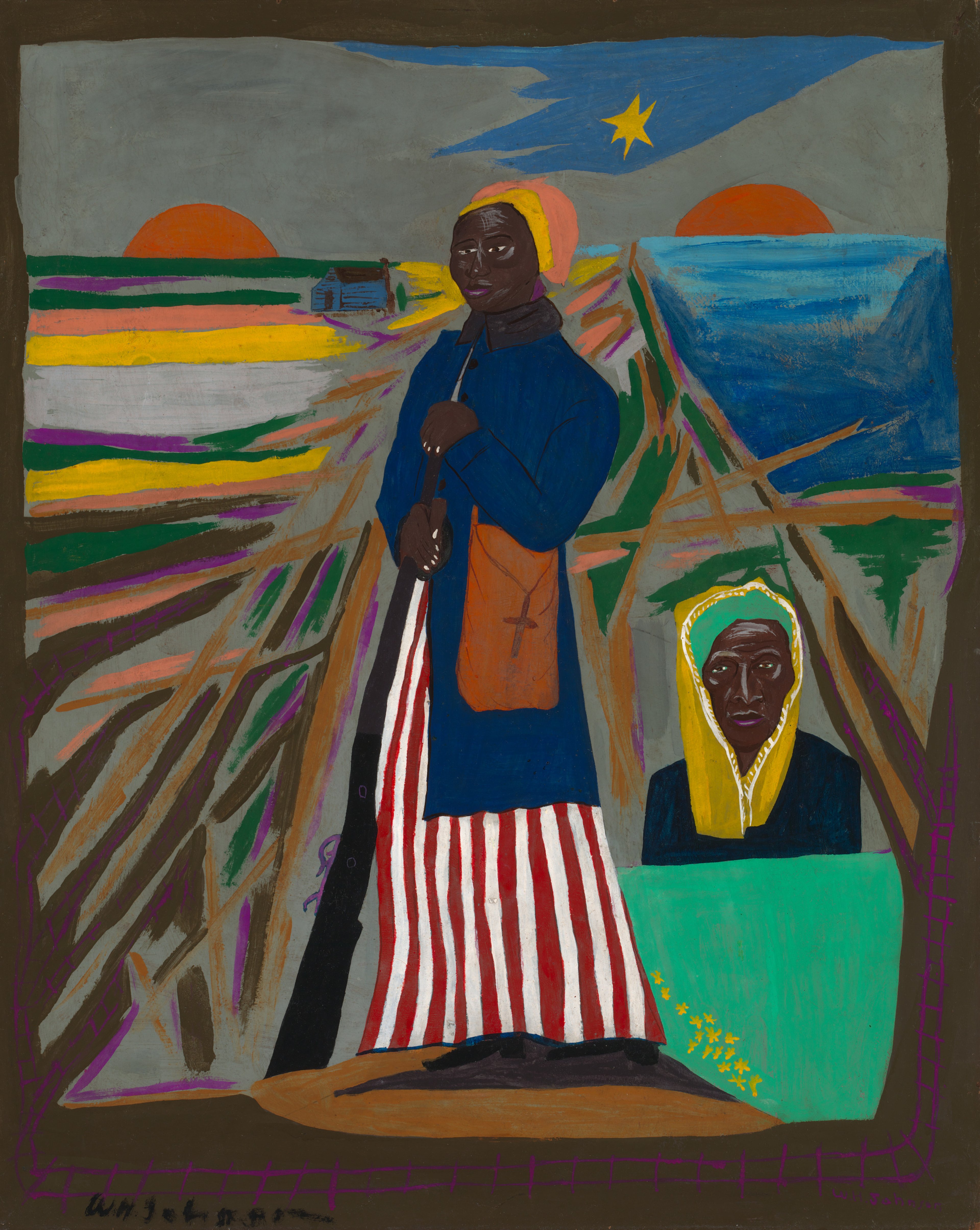
Harriet Tubman painting
Many of the enslaved themselves, living too far from these cities, instead fled south to Mexico. They were assisted by sympathetic Mexican Americans, who knew that their Catholic Church and their mother country had long since marked slavery as a violation of all law.
After the 1850s, many of those Mexican Americans, like Juan Cortina, went on to enter open warfare against the governments of Texas and the other southern states. They refused to surrender their loyalty in exchange for lives spent in submission to the growing commercial power of foreign oppressors.
Were my people wrong for practicing the principles of republican brotherhood and Christian charity?
Should they have turned their neighbors over to the very people who held them in bondage?
Should they have deferred to the newcomers, who wondered whether the locals even belonged to the human race?
Should they have submitted to the lawless tyranny of the very outsiders who oppressed them?
Am I supposed to condemn my very own ancestors, settlers and Natives alike, and violate Trump’s imperative against those who are “telling our children lies about our heritage”?
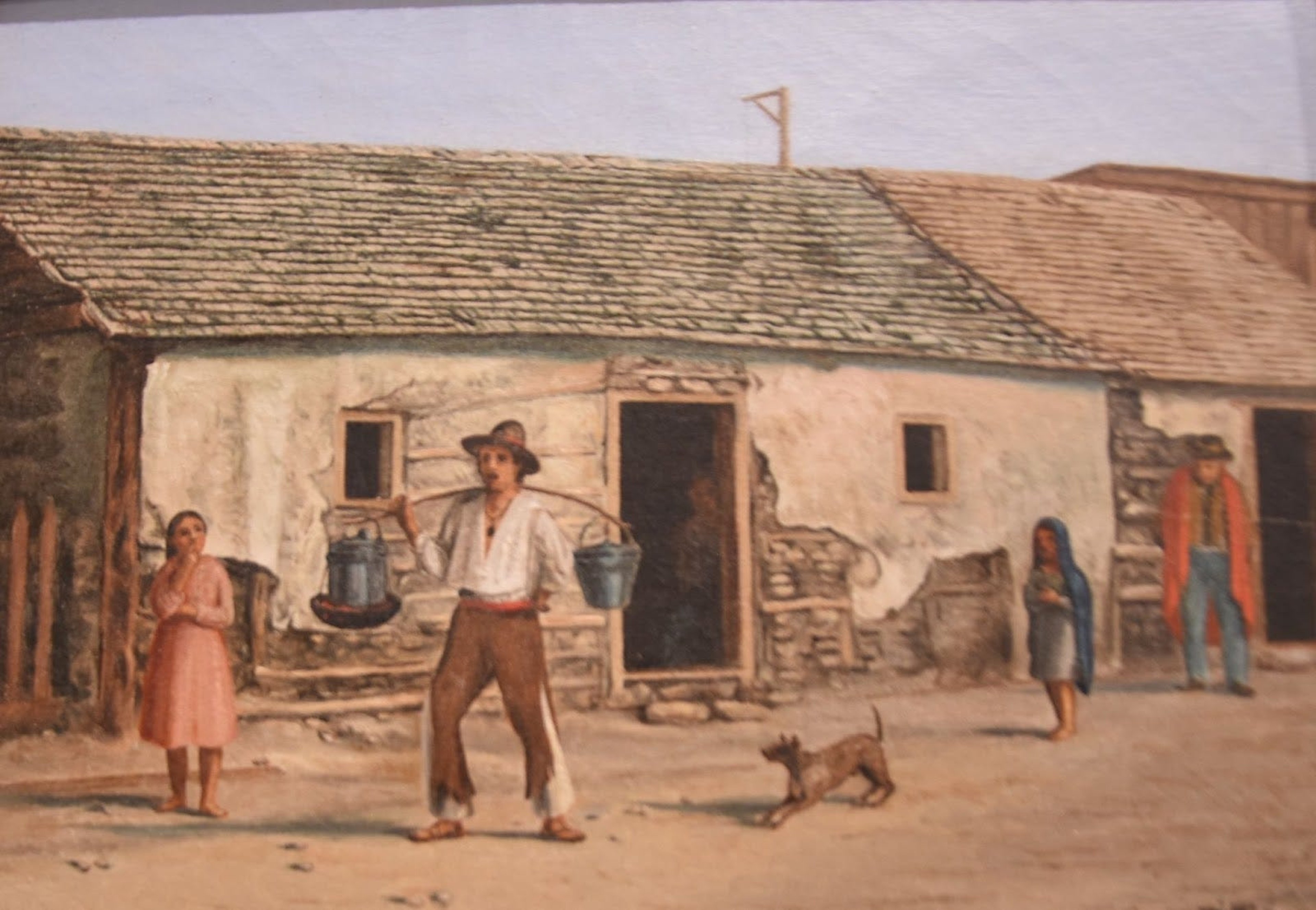
Tejanos nineteenth century
The earliest American communists emerged from Christian and democratic struggles. They arrived at communism by fighting for such fundamental rights as the freedom from tyranny, the freedom of commerce, and the freedom to voluntarily associate.
Throughout the 1820s and 1830s, American businessmen, inventors, libertarians, philosophers, socialists, communists, and anarchists like Josiah Warren and Robert Owen organized utopian experiments in mutual aid, cooperative associations, and stores exchanging worktime for worktime instead of money for money. They wanted to give people their own power instead of delegating all of it to others.
Were these communists wrong for investing their own assets in causes that they believed in?
Aren’t we supposed to believe that that’s what capitalism is all about?
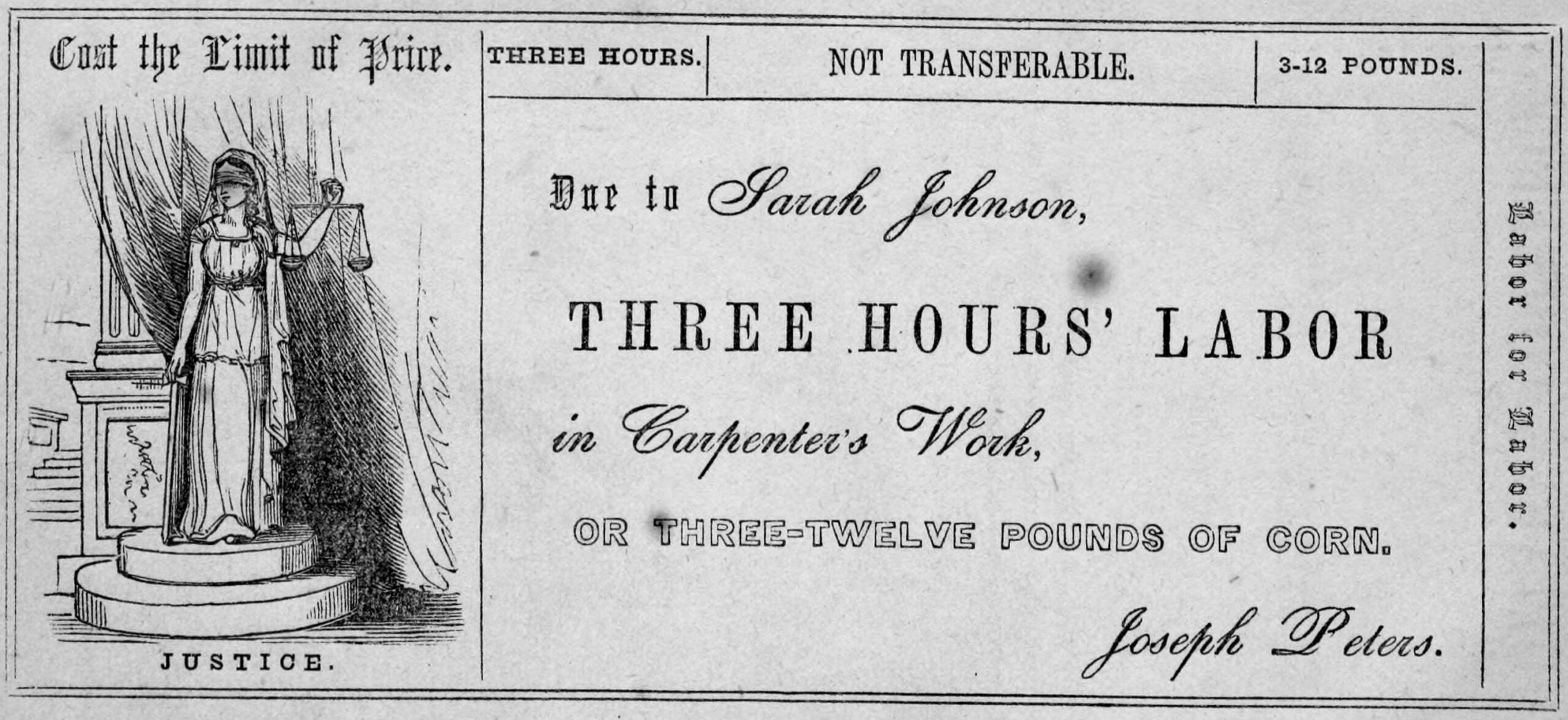
Time chit
Communism draws on many of the same emancipatory hopes that you are taught to only associate with 1776. Étienne Cabet was a communist who immigrated from France to North America in the 1830s. He organized his own experiments in communal living called Icaria. He considered the practices of this community to be methods for living the Kingdom of God on earth, realizing the dreams of Western philosophy, and accomplishing a true democracy.
That sounds dangerously close to the Founding Fathers.
Should we investigate them for potential Marxist subversion too?